


The 1982 sci-fi masterpiece that Divine and Grace Jones auditioned for
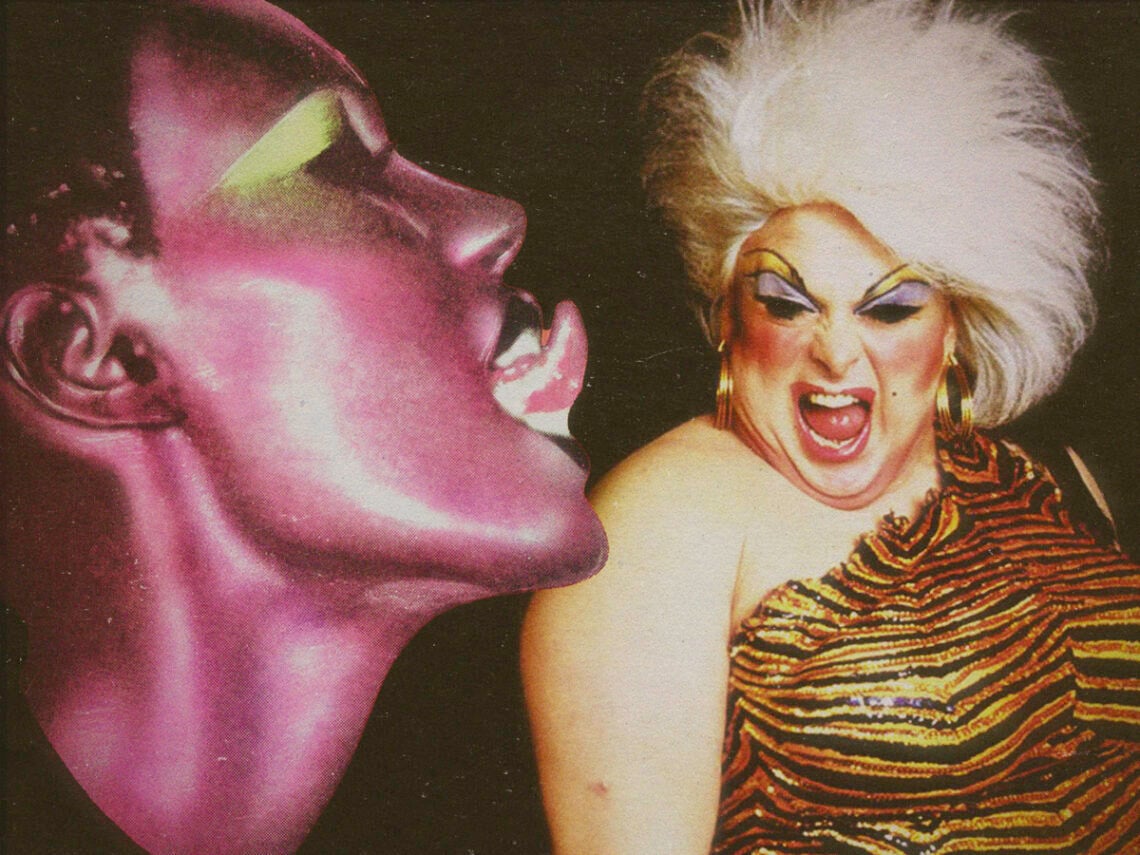
To a certain kind of movie fan in the early 1980s, Divine and Grace Jones were viewed as the most exciting movie stars on the planet.
Divine, or Harris Glenn Milstead to his mum, was a drag queen who had spent the 1970s doing disgusting things for John Waters. In his movies, I should say. Behind the camera, their relationship was purely platonic. Which, in and of itself, is something of a miracle.
I can’t say that I would remain friends with a man who made me do the kind of things that Divine did in Pink Flamingos. However, that was always the secret weapon of the man that Waters described as “the most beautiful woman in the world. Almost.” He was just as radical and exciting as the director who made him his muse.
So, come the 1980s, Divine was making a break for the mainstream as a singer, making a slew of delicious Hi-NRG disco classics with composer Bobby Orlando. He wasn’t the only performer with a radical, unforgettable looking trying to make it on the screen and the radio, though. Grace Jones had come up as one of the most prominent models of her age and by the end of the 1970s was one of the era’s most iconic disco divas.
Of course, that wasn’t enough for her, though. She wanted to push the boundaries with her music, embracing new wave and post-punk in the early 1980s with Warm Leatherette and the masterpiece Nightclubbing, but also aiming for a break into mainstream movies.
Both alternative icons were scouring Hollywood for a big break in 1980 and found a possible route into the big time thanks to English director Ridley Scott, who was casting for the follow-up to his breakout masterpiece Alien, an adaptation of the Phillip K. Dick short story Do Androids Dream of Electric Sheep.
That’s right, both Divine and Grace Jones very nearly found roles in Blade Runner.
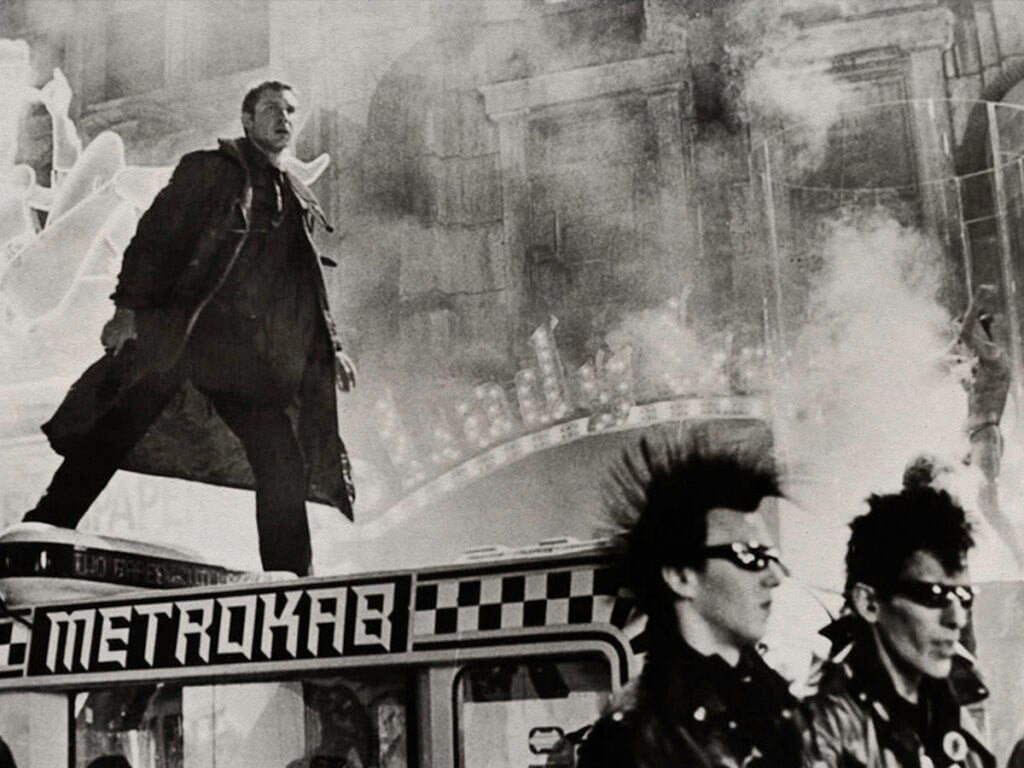
Fittingly for her status as a genuine, bona fide celebrity at the time, Jones got a little closer to actually being in the movie. Scott actively courted the ‘Pull Up to the Bumper’ star for a role in the picture, which is fair enough, Blade Runner is a world made for someone like Grace Jones to be in. However, Jones was in a relationship with the photographer Jean-Paul Goude, who was gunning for a directing career himself and wanted Jones to appear in his movies, so he urged his partner to turn down the role before reading the script.
Jones herself writes about this in her autobiography, I’ll Never Write My Memoirs, saying: “When [Goude] heard about the film, he said what I thought he would say – it would be too commercial, and I would become too Hollywood. I would be a sellout. I still had the script, though, and the night after I had passed on the part, I was flying to Paris. I decided to read it on the plane. I absolutely loved it. It was set in a universe I visited a lot in my work and play. As soon as I landed, I decided I would call them back and reverse my decision. I was too late. Overnight, they had cast someone else.”
Divine, on the other hand, had the right idea. Scott reached out to him to audition for a role in the film, and the drag icon accepted, travelling to LA to read for the role in person with his manager Bernard Jay, who wrote about the experience in his biography of the legendary performer, Not Simply Divine. He said, “Divi was terrified. It was the first time he had ever had to audition and, although it had been arranged in privacy and with great courtesy by Ridley Scott’s office, he was a nervous wreck.”
The audition seemed to go as well as an unsuccessful audition could go, at least according to Divine himself. “He spent the best part of an hour alone with the director. I waited outside and became as nervous as my client. Divi wasn’t offered the role, but told me Ridley Scott had spent most of their time together talking of the John Waters movies and how great a fan of Divine’s he was,” which happens all the time – the role just wasn’t quite right for the actor, and Scott was reportedly trying to find a role for Divine in his movies all the way up until the queer icon’s death in 1988.
Perhaps both of them felt like they’d dodged a bullet in the short run… After all, Blade Runner was a notorious flop with critics and audiences on release – so much for a sellout, I guess.