


‘Lake Mungo’: the microbudget ghost story that captures the spirit of ‘Twin Peaks’
Found footage movies have a miserable reputation.
I say that as someone with a lot more time for the genre than most. I think the genre has some real high points like Gonjiam: Haunted Asylum, Rec and Creep, which are all genuinely thrilling in their own way. Unfortunately, the reputation they have is well earned. The vast, vast majority of found footage horror flicks are absolutely dog-arse. Cheap, uninspired, unscary bilge that more or less apes a formula Paranormal Activity introduced in 2007 and rarely does anything else with it.
Perhaps the truth is that it takes a lot of suspension of disbelief to make an entire story told through someone’s cell phone camera or webcam work. The more time you spend justifying why everyone keeps filming, the more alienated the audience gets. That doesn’t mean that found footage can’t be terrifyin,g though, which is perhaps why Lake Mungo gets it so right.
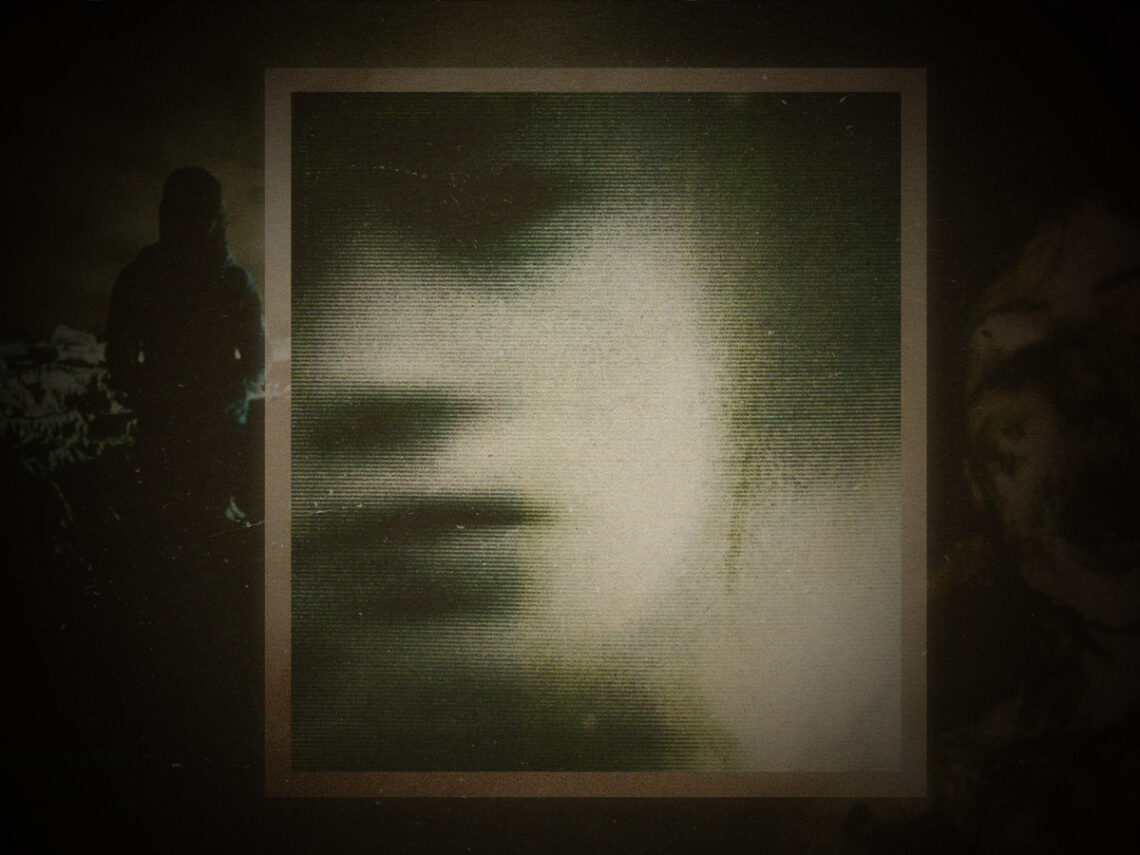
This Australian indie project, released in 2008, built a whole movie around one found footage sequence so terrifying that “the cell phone footage in Lake Mungo” is now one of the go-to answers for the scariest movie moment of all time. However, Lake Mungo is far more than a one-scene wonder. In fact, said scene would fall fucking flat if the film hadn’t told a deeply affecting story of its own, one that truly made you care about the person shooting said footage and felt the genuine heartbreak of her loss.
Lake Mungo presents itself as a documentary about the family of Alice, a 16-year-old girl who goes missing while out swimming with her family in Ararat, Victoria, Australia. Shortly after she’s reported missing, her body washes up on the shore of the dam they were swimming up, bringing the first comparison to the TV show that Lake Mungo spends its run time in conversation with, Twin Peaks.
What does Lake Mungo have to do with Twin Peaks?
On the surface, the two stories have barely anything to do with each other, even setting aside how one is a TV show and the other a film. Twin Peaks, it’s fair to say, is heightened. Everything from its scares to its jokes to its romantic drama turned up to 11 as a way of lovingly aping the soap opera storytelling that it’s satirising. This is a story with prophetic dreams, pan-dimensional portals and people possessed by the spirit of pure, unstoppable evil. Despite being a ghost story, Lake Mungo is the opposite.
As a mock-documentary, Lake Mungo lives and dies by its immersion. Everything it depicts has to be as goddamn realistic as possible, as much like our own world as possible, and it fucking nails this from the performances down. However, the more you look, the more similarities you can see. At their core, both stories are about the way communities react to grief. Within both, there’s the complex reaction that a neighbourhood has to collective loss, contrasted with the way that a family has to try and piece itself back together after losing one of their own, and often failing miserably at it.
Not only that, but in both, there’s a comment on the complex inner life those grieving go through. The way people are pressured into keeping a lid on what they’re going through, yet also encouraged to be open about their feelings. What else is the sight of Ben Horne’s Civil War obsession but displaced anguish and trauma? As the story of Alice’s family in Lake Mungo deepens and their behaviour becomes more morally complicated, this is the same basic story, but with slightly fewer model horses.
This may sound like a stretch. After all, it’s something of an ongoing joke these days that horror films are nothing more than grief metaphors, and Lake Mungo is one of the best examples of this fact. Yet there is a smoking gun on the table that the movie is in direct conversation with David Lynch‘s TV masterpiece, and it lies in Alice’s family name. A girl, abused by her community, washed up on a shore in a sleepy town about to be turned upside down by her loss, with the second name Palmer.