


‘Missing Child Videotape’: the J-horror that will probably get you on a government watchlist for Googling it
If you think the Incognito mode in your web browser is helping you protect your search history and keep your internet provider at bay, let alone the government, I have a bridge to sell you.
In an age of hyper-surveillance and constant manufacturing of digital profiles of users by megacorporations and government agencies, it’s a Sisyphean task to try and maintain your “anonymity” on the internet. Big Brother knows exactly what you did last Saturday: downloaded a pirated copy of The Anarchist Cookbook and ordered a bucket of KFC to snack on during your anti-capitalist reading session. But have you ever wondered whether you’re on an actual government watchlist?
It’s time to get on one by looking up Ryota Kondo’s latest feature, Missing Child Videotape, on Google and have something to brag about on your next first date. When I first came across it, I instantly thought that was yet another horrible translation of a Japanese title for a pulpy flick (it’s not, that’s exactly what it says in Japanese), but Missing Child Videotape is far from the low-budget scarefest that I assumed it was from its name. Come on, you can’t tell me that Googling it does not feel at least a little illegal.
An expansion of a 2022 short by Kondo of the same name, Missing Child Videotape is symptomatic of this unique moment in the horror landscape that we’re currently experiencing, where filmmakers and audiences are actively moving away from clichéd narrative techniques in search of something truly immersive. For thoroughly desensitised viewers who have grown up on a steady diet of movie monsters and jumpscares, sparking a visceral reaction is only possible when the entire world doesn’t make sense.
And that’s exactly the case in Missing Child Videotape, following Rairu Sugita’s Keita, who just happens to have an esper for a roommate and spends his spare time rescuing lost children as a way of processing his own brother’s disappearance when they were still kids. Kondo presents a glimpse into a universe that is simply indecipherable and offers no explanation, because to do so would mean an intellectualisation of, and by extension, a defence mechanism against, the fundamental terror of human existence.
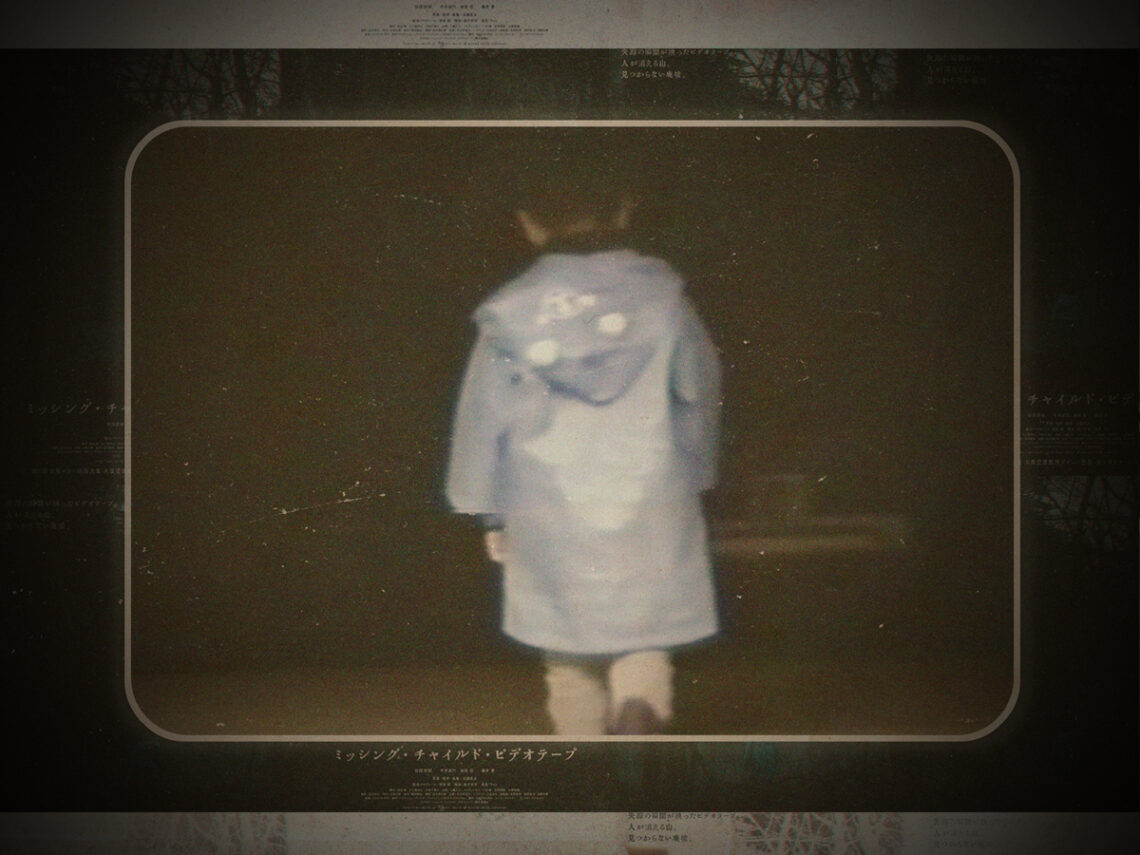
After receiving a handycam recording of the day his brother vanished in an abandoned facility on a small hill that nobody has been able to find from his estranged mother (tapping into that found-footage lineage), Keita embarks on a journey to find his sibling once again. It seems like a pretty straight premise for a horror flick, but Missing Child Videotape is so damn effective because it manages to experiment with well-known tropes and subvert our expectations.
Life and death exist simultaneously, there’s a general air of mistrust consuming everything in sight, strangers sit down to tell bizarre stories like how their grandmother once went to the hill where Keita’s brother disappeared as a child and came back without reproductive functionalities (although her descendants exist), and reporters are worried about losing their credibility for investigating the case despite the audiovisual and historical evidence. Lodged firmly between the real and the surreal, Missing Child Videotape becomes one of the most interesting cinematic horror experiences of 2024.
Kondo weaves a seamless inter-medium commentary on the visual politics of modern horror filmmaking, while also using limited resources to create temporal and spatial anomalies in the world he pulls us into, which justifies the usage of the term ‘cosmic horror’ when discussing Missing Child Videotape. Even if top-tier Hollywood productions aren’t making the cut for diehard fans, the genre is in safe hands as long as directors like Kondo are willing to take such risks.