


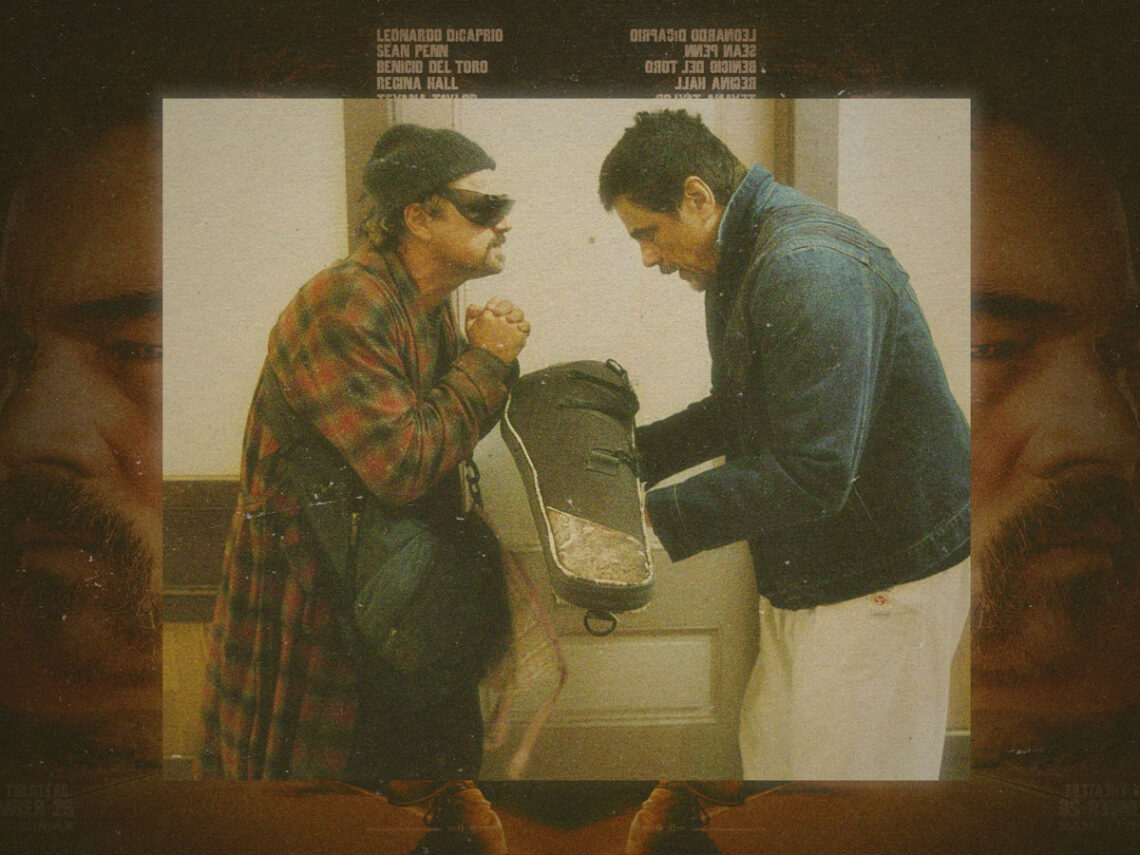
‘One Battle After Another’: Were the radical groups based on real cults?
Paul Thomas Anderson has done it again.
Few directors who have ever held a camera can claim to have a filmography as respected as PTA. Boogie Nights, Magnolia, Punch-Drunk Love, There Will Be Blood, and The Master are up there with the greatest streaks in the history of western cinema, and 2025 saw the release of his biggest film to date: One Battle After Another.
A gritty mix of screwball comedy and guerrilla warfare action thrills with a career-best Leonardo DiCaprio as the big, beating, counter-cultural heart at the centre of it. The film was also notable for Anderson going back to a well of inspiration he’d been to once before.
2014 saw the release of Inherent Vice, an adaptation of the novel by the same name by Thomas Pynchon. Over a decade later, Anderson decided to adapt another of Pynchon’s novels, Vineland, into what would eventually become One Battle After Another. However, just because the movie is based on a novel doesn’t mean that there weren’t elements of truth running through both of them. In fact, several of the freedom fighter cells depicted in the movie are based on real-life radical activist groups throughout history.
The main one is the cell that several of the film’s main characters operated in.
A decade and a half before the film’s present-day segments, DiCaprio’s paranoid, drug-addled ex-revolutionary dad Bob Ferguson and the mother of his child, Perfidia Beverly Hills, ran with the far-left militant group The French 75. A group of freedom fighters who, in the opening scene of the film, are seen liberating kidnapped immigrants from a government detention centre. While a group of militants doing something that seems shockingly cool seems like fiction, it turns out that they were based on a similar group from the 1960s.
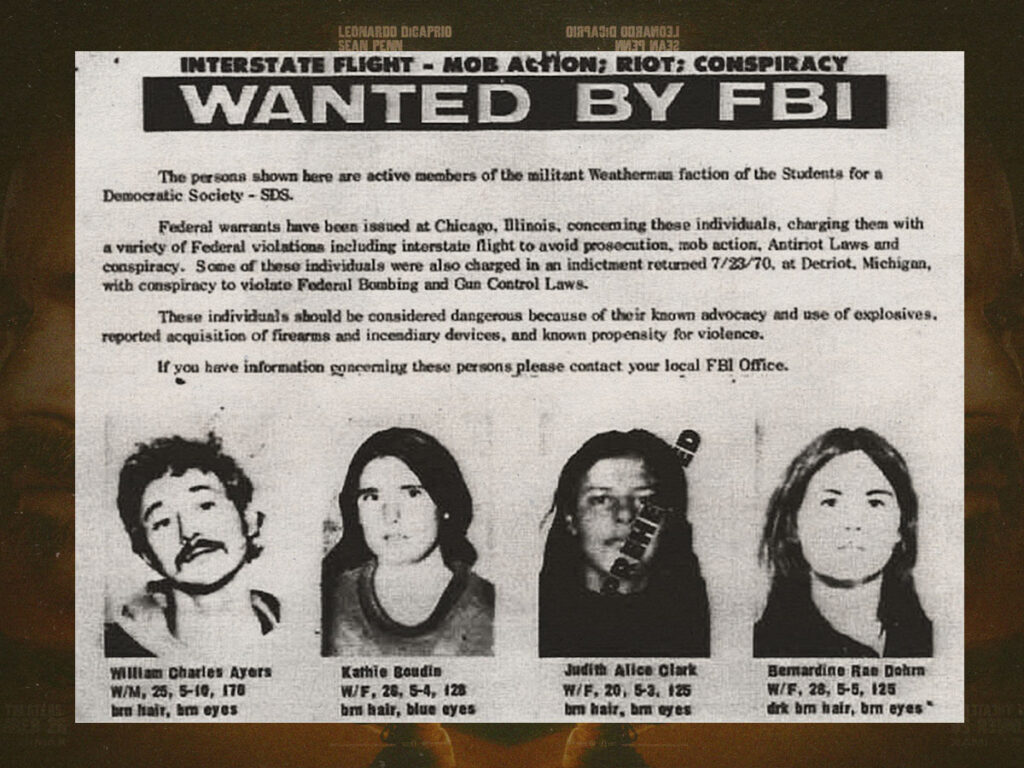
So, who were the freedom fighters in One Battle After Another based on?
In the Ann Arbour campus of the University of Michigan in 1969, the first iteration of the far-left militant organisation the Weather Underground was formed.
Taking their name from a lyric in Bob Dylan’s ‘Subterranean Homesick Blues’ (they were students in the 1960s after all), the Weather Underground spent the next decade waging a self-proclaimed war against the American government. Conducting bombing raids on government buildings in response to the government’s imperialist actions of the time.
When the US government invaded Laos, the WU responded by bombing the US Capitol building. When the government authorised a bombing raid on Hanoi, the WU responded in kind, this time on the Pentagon. One can only wonder why Anderson thought this would be a story that resonates with so many people in 2025. The Weather Underground weren’t the only group in the film with a real-life counterpart, though.
Without wanting to spoil too much, a convent of weed-growing nuns known as the Sisters of the Brave Beaver play a crucial part in the film’s second act.
This may sound like a fragment from one of Pynchon’s wackier genre ideas. However, not only is there an actual marijuana dispensary operating in California that uses nun-related imagery as part of their branding, called the Sisters of the Valley, but they also assisted with the creation of the fictional nunnery!
The truth really is sometimes stranger than fiction, even in a film as grounded and spectacular as One Battle after Another.