


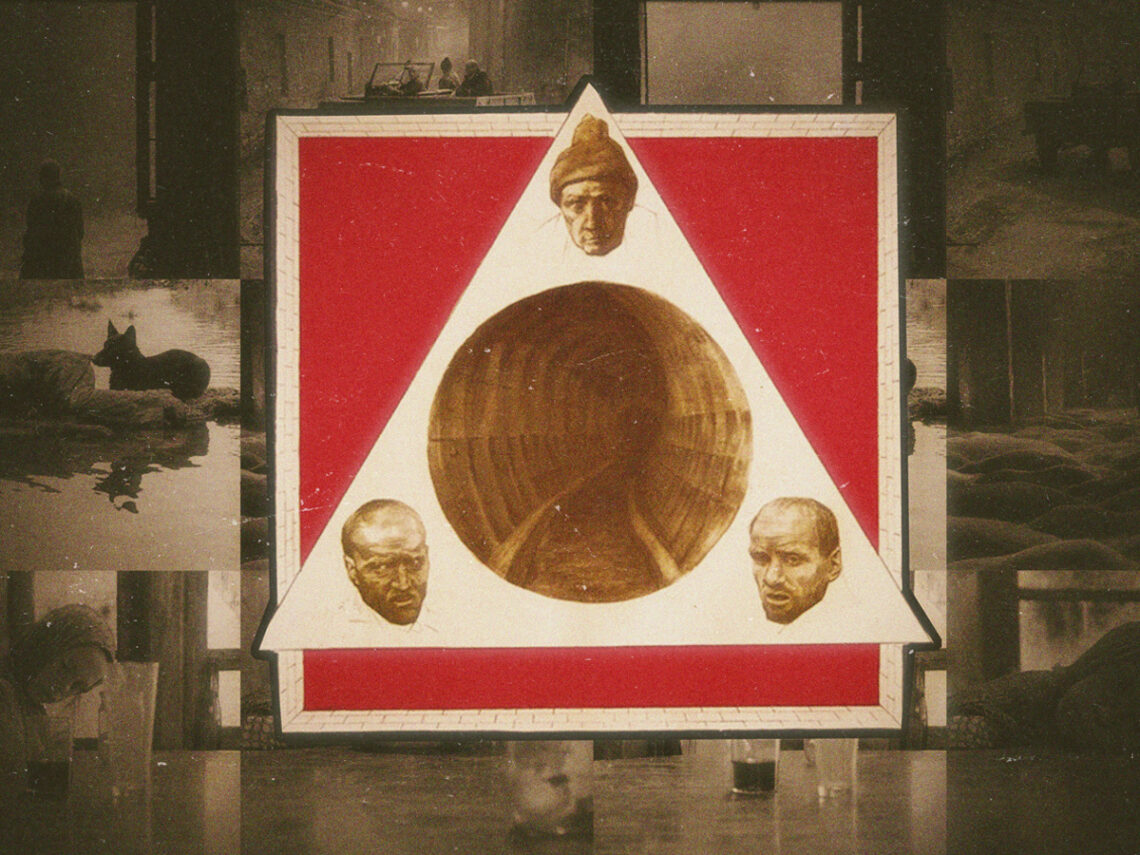
‘Stalker’: The movie so hazardous it began killing the cast
Any movie fan knows what people mean when they say that making a movie “nearly killed them”.
After all, anyone who’s been anywhere near a movie set of any kind will tell you that making a movie is ridiculously hard. From micro-budget independent films made by a couple of weirdos with a dream to Hollywood spectaculars with the GDP of several small countries funnelled into them, at no level is making a motion picture easy. So much so that any film you watch, no matter how painfully bad it might be, is still something of a miracle.
So much has to go right for a film to get made, which doesn’t mean that things don’t go wrong. In fact, quite the opposite. Most of the time in the production of a film, a lot more things will go wrong than right, yet with enough tenacity, grit and sheer bloody-minded defiance, you might just finish the picture. There are few better examples of this than Andrei Tarkovsky’s post-apocalyptic masterpiece Stalker. A film whose production was so cataclysmic that when its production team say it “nearly killed them”, they’re the lucky ones.
By the late 1970s, Andrei Tarkovsky was arguably the crown jewel in Soviet filmmaking. Since his debut in 1962 with Ivan’s Childhood, the run he’d been on had made him one of the most respected directors in the world, let alone Russia. Andrei Rublev, Solaris and Mirror had all solidified his reputation, and his next effort was set to be an adaptation of Arkady and Boris Strugatsky’s philosophical sci-fi novel Roadside Picnic, which he would re-title as Stalker.
To give you an idea of just how fundamentally broken the production of Stalker was, Tarkovsky spent an entire year painstakingly shooting the outdoor scenes. These scenes make up the lion’s share of the film, so if you go back and watch the film today, you’ll see…none of it. Because the film was improperly developed, and none of it was usable. An entire year of work shooting this film up in smoke.
Then it got worse.
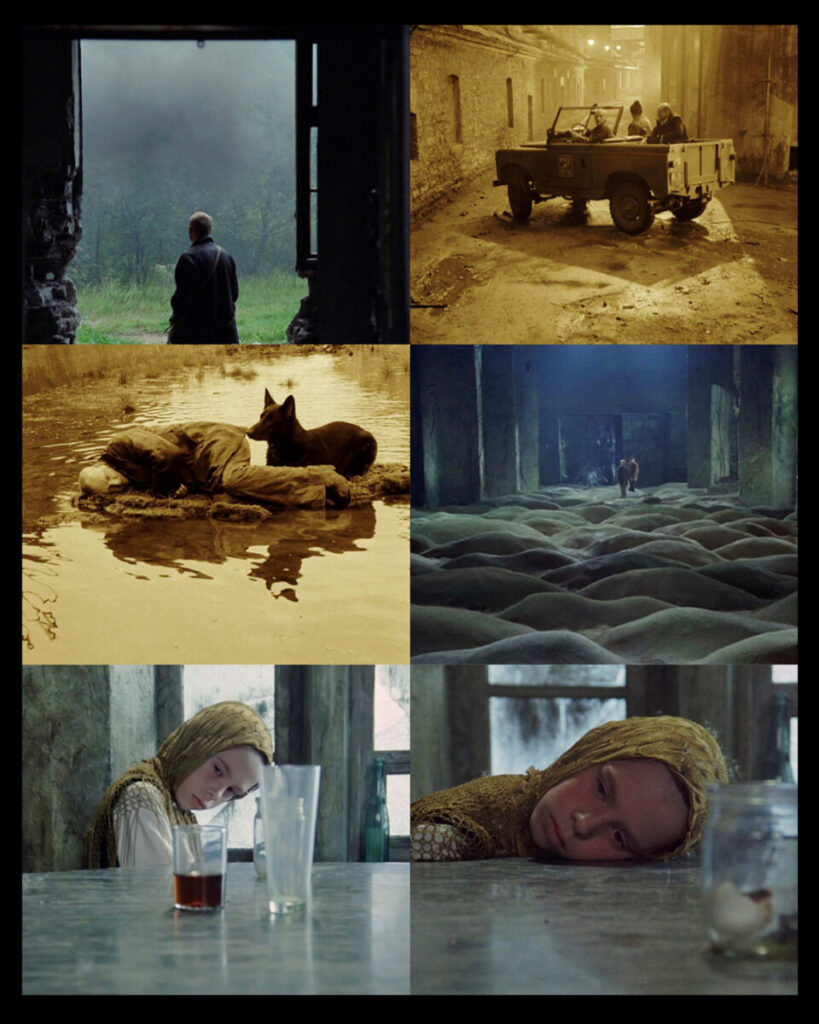
How did the production of Stalker get worse?
You see, Tarkovsky was a filmmaker who believed in location shooting, especially for Stalker.
The whole premise of the film was that it took place in blown-out, irradiated wastelands that weren’t safe to live in anymore. Building sets to represent those wastelands ran the risk of looking fake, which just wouldn’t fly for the famously committed Tarkovsky. Especially not when he was filming in Soviet Russia, and there were several actual blown-out, irradiated wastelands that weren’t safe to live in anymore, they could shoot the film in.
Thus, Tarkovsky’s commitment to verisimilitude forced him, his cast and crew into locations that were legitimately toxic. Not because the DP and the director wanted to kill each other (although by the sound of things, they absolutely did), or a bad breakup between the leads, but because they were shooting downstream of a chemical plant pouring poisonous liquids into the surrounding lakes and rivers. The crew were literally being poisoned the entire time they shot the film. And they shot it twice.
This isn’t myth-making either. There were real, human consequences to these choices, at least if you speak to the film’s sound designer, Vladimir Sharun. Of the film’s aftermath, he said, “Many women in our crew got allergic reactions on their faces. Tarkovsky died from cancer of the right bronchial tube. And Tolya Solonitsyn, too. That it was all connected to the location shooting for Stalker became clear to me when Larisa Tarkovskaya [Actress and Tarkovsky’s wife] died from the same illness in Paris.”
Stalker is a masterpiece. One of the greatest films of the 1970s that still holds up today. Even so, one has to ask…was it worth it?