Stan Brakhage: how to confront death in cinema
People think that exposure to violent media desensitises someone to it. That you become so used to seeing images of death that nothing makes you feel anything anymore, yet in my experience, the opposite is true.
I, like many, grew up a fan of violent media. Books, movies, TV, you name it, I was there. Yet the most disturbed I’ve ever been from a violent scene in a piece of media came not from a gore-soaked horror flick or intense action movie.
No, instead, it came from the 2006 coming-of-age drama film This Is England, and not even the part of the film you’re thinking of either. The moment that messed me up for life is when Stephen Graham’s character Combo confronts his friend Pukey (it’s a nickname) when he feels conflicted about Combo taking him to a National Front meeting.
For all the atrocities Combo commits in This Is England, this moment is a lesser one. He drags Pukey out of the car they’re in and headbutts him twice. It’s barely more than a tap, more for intimidation than pain, but it feels real. Distressingly so. Which, to me, speaks to the dichotomy of cinema. We want authenticity, for what we’re watching to seem real, at least in the context of the story. Yet we know that fictionalised violence is, y’know, fictionalised. It’s not real, and thus, we can process it as storytelling and not real suffering.
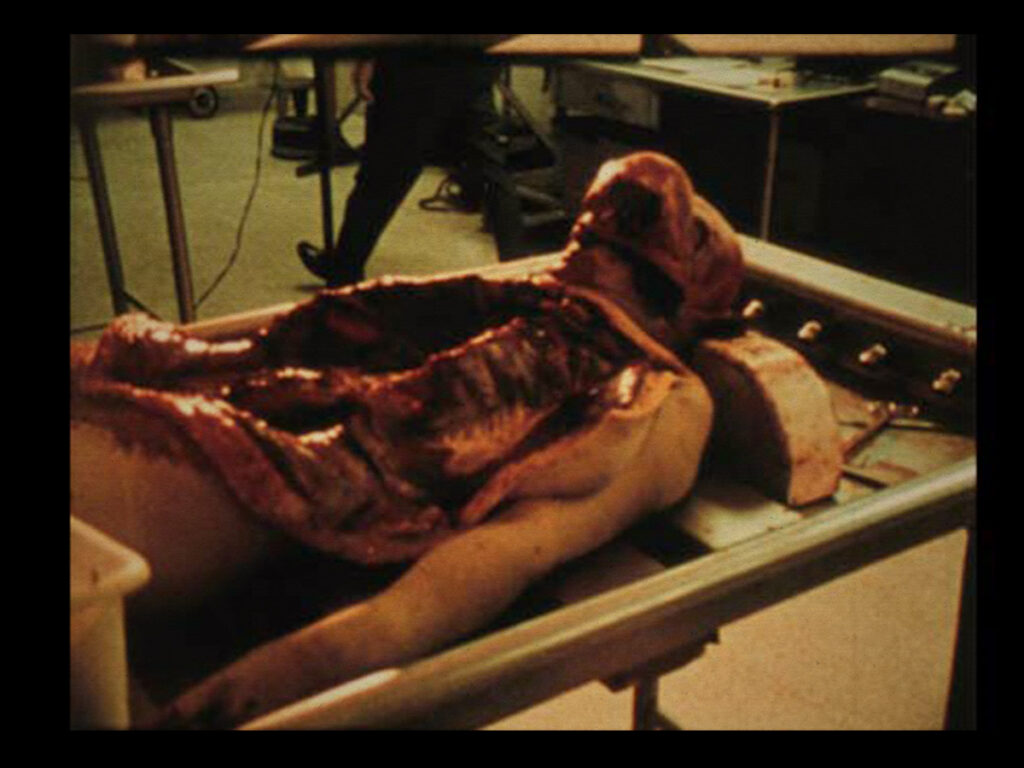
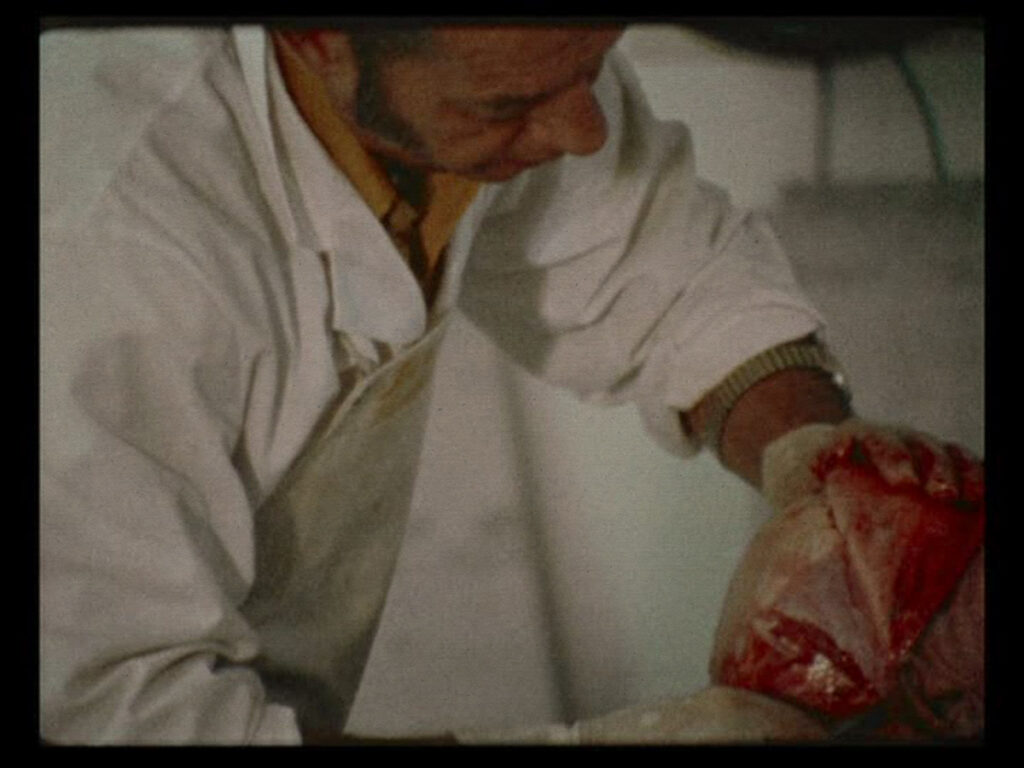
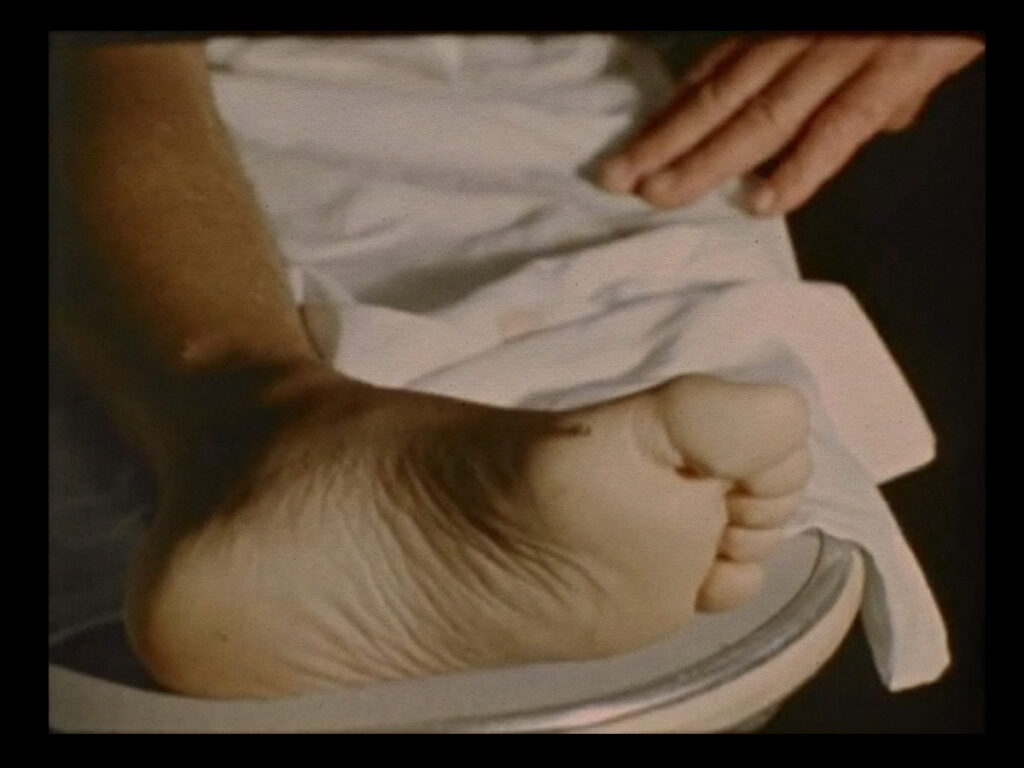
So, when we do see actual death and violence on screen, we know it. It stops being anything other than a depiction of what will eventually happen to us. It’s not a metaphor, it’s not storytelling, it’s not Neo fighting back against Agent Smith. It’s viscerally, uncomfortably real. Thus, there are probably fewer more distressing experiences one can have in the cinema than with Stan Brakhage’s 1971 film The Act of Seeing with One’s Own Eyes.
The title comes from the literal translation of the term “autopsy”, which is exactly what the film shows.
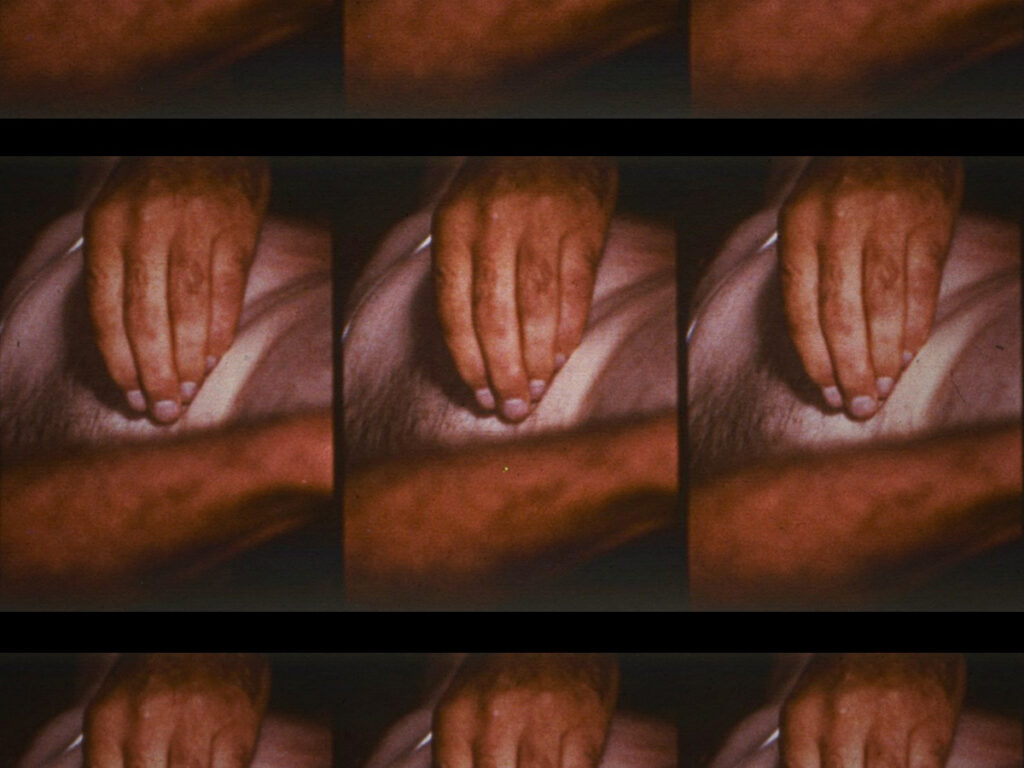
How does this film make you confront death?
With The Act of Seeing with One’s Own Eyes, Brakhage began what he called the “Pittsburgh Trilogy”.
These were looks at three institutions of his adopted home city of Pittsburgh, Pennsylvania. The second two, Eyes and Deus Ex, looked at the police force and a hospital, respectively, but the first was a morgue. The film is nothing more than half an hour on the way that bodies are treated after death, and there’s a weird paradox at the heart of how revolting we find that.
Because on the one hand, this is the way that humans are meant to be cared for after death. This is proper practice. There is care and skill put into the way we’re treated, and we shouldn’t want it any other way. Yet the idea that this is what’s to come? A slab of meat on a cold metal table, the skin of our face being snipped away enough to become elastic, then rolled back entirely to see what lies beneath? That’s more terrifying than any horror movie you care to mention, and not just because of the gore of it.
This is body-horror at its core, the idea that the end of our lives will show the truth of existence. That we’re nothing more or nothing less than piles of meat. Nothing equalises us quite like death, and that reminder of how equal we really are will always terrify us.