


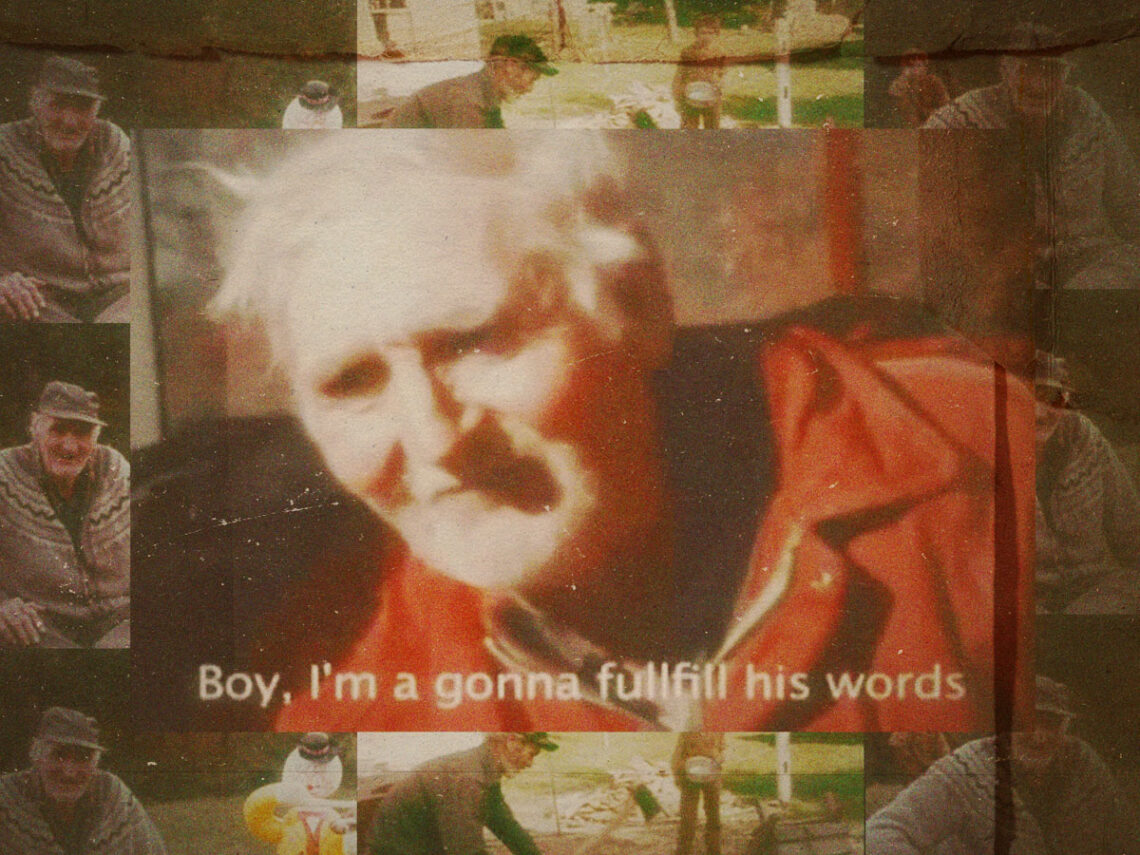
‘The Hollow’: the 1975 film about a town where literally everyone is related
The Hollow is a 1975 documentary about the inbred residents of an area of New York State in Saratoga County known informally as ‘Allentown’ for reasons that soon become abundantly clear.
The film begins with the following text: “Early in the 19th century two families, the Allens and Kathans, settled in the Southern Adirondack Mountains of New York State. By the 1960s, their descendants had isolated themselves in a remote hollow high in the mountains. Below lay the great Sacandaga Valley. Its rich lands rapidly filled with farms, factories and mills”.
Allentown, as it’s known to the locals who rarely leave and the officials who mostly stay away, isn’t a town so much as a family tree with a few sheds nailed to it. There’s no post office, no high street, no bar, no school. You don’t pass through Allentown; you either know how to get there or you don’t. Word is, it’s about the size of two football fields, boxed in on three sides by thick Adirondack forest and, depending on who you ask, a literal fence.
By the end of the century, the Allens and the Kathans had intermarried: all the residents in the Hollow were related. Because of their isolation, misunderstandings developed between them and the outside world.
The economic disasters of the 1930s shut down the factories and mills. In 1932, the Sacandaga River was dammed, flooding the fertile valley below the Hollow. Forced from their homes, the valley residents sought employment elsewhere, but the Allens and Kathans chose to remain up in the mountains.
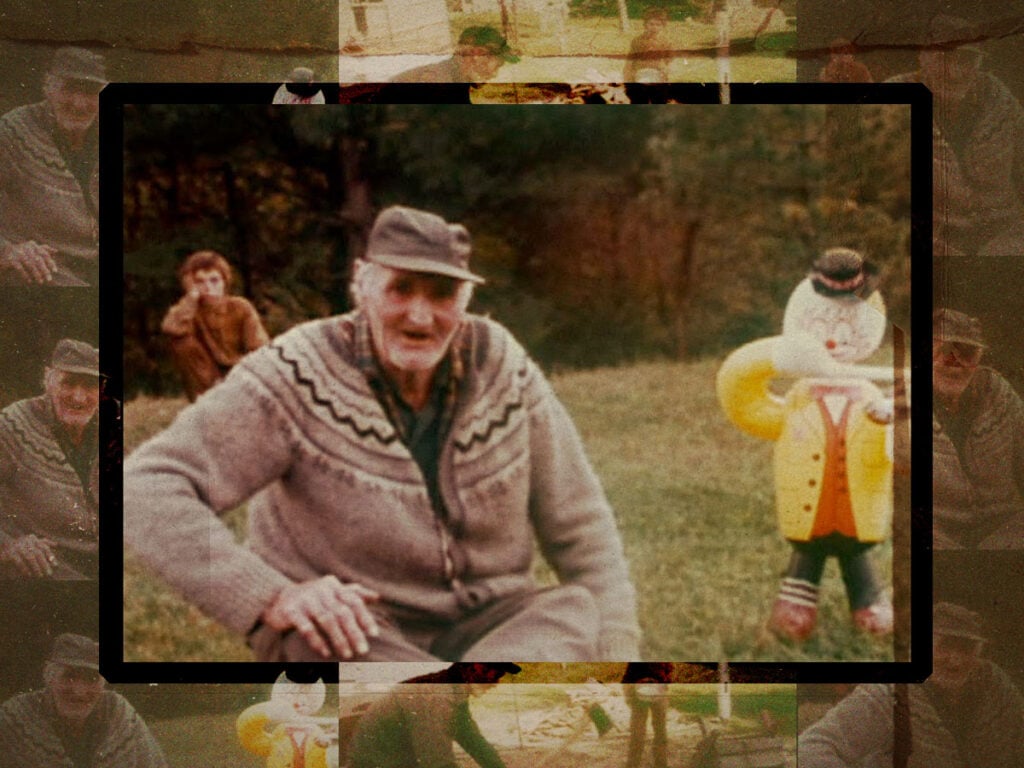
Incredibly, it wasn’t until the mid-1980s, nearly a decade after this film was shot, that indoor plumbing came to Allentown, which is apparently roughly 1200ft long by 400ft wide and covered on three sides by dense forest, and it is said, a fence. Anecdotal evidence points to many Allentowners having red hair.
While a local fire department provides service for the area, he said, “If one of the Allens has a fire, one of the Allens next door will help put it out.”
James Bowen, meanwhile, the Saratoga County Sheriff, said his services are rarely requested. “We don’t get a lot of calls from Allentown,” he said. “They sort of police themselves.”
However, Deputy Commissioner for the County Social Services Department, Emily Smith, claimed that the number of public assistance cases in the entire Hollow was “probably not more than a couple of handfuls” and has not grown in 15 years. “They still tend to be a very close-knit group and they take care of each other,” she said.
“Their ways don’t change much. They’re happy and that’s their way of life. To you and me, our standards are much higher but they don’t have those high standards and they’re not striving to have them.”
In the wake of the documentary and the exposure of their grim living conditions, social workers began making tentative inroads with the Allentowners, but distrustful residents initially rebuffed the attention.
Clifford Logan of the Saratoga County Economic Opportunity Council explained to the New York Times in 1993 that his efforts to help had seemingly weatherised about 150 homes in the Allentown area since then. “Once you do something nice for somebody you’re accepted,” he said. “They’ve been a town with a gate, and they’re opening up.”
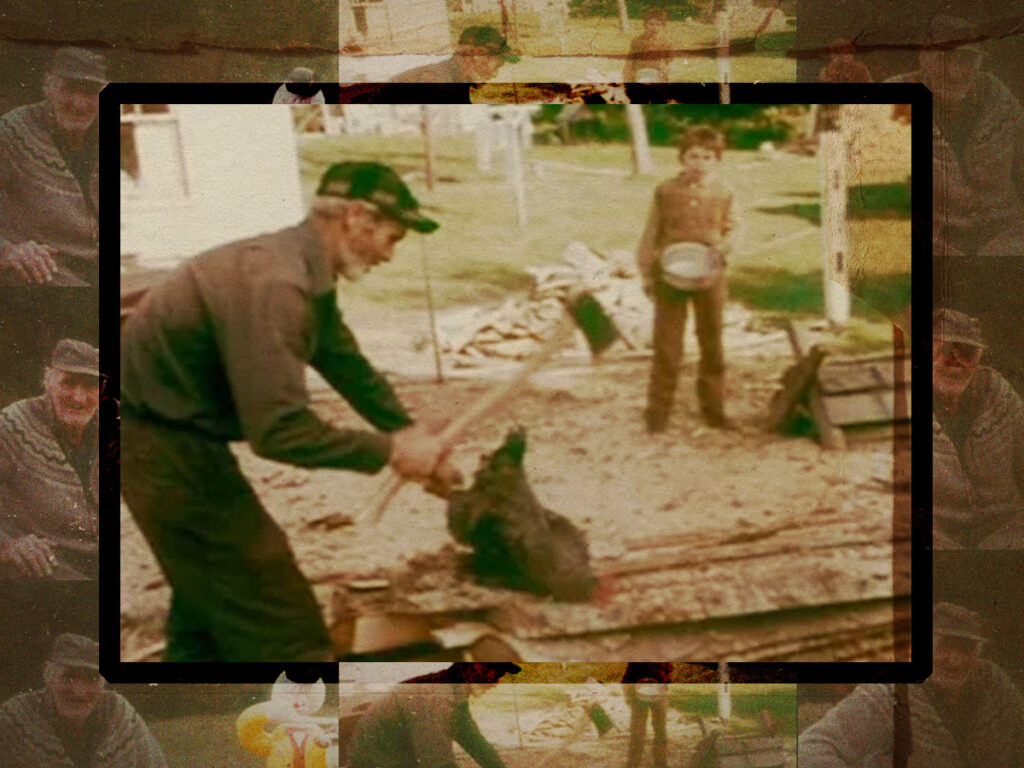
After the documentary aired, there was a moment – a brief one – when Allentown started getting attention it hadn’t asked for. County officials showed up with clipboards, social workers knocked on doors, and a few journalists circled in like vultures with notepads. And then… nothing much changed.
A few roofs were patched, some kerosene heaters replaced, and a few families grudgingly accepted help. But mostly, the town folded in on itself again. Those who lived there weren’t looking to be saved, and they didn’t much care for being studied. Over time, the Hollow returned to what it had always been: a place just outside the reach of modern life, its rhythms unchanged by the outside world’s brief curiosity.
What makes The Hollow so strangely effective is how little it does. There’s no narration, no swelling strings, no attempts to editorialise the poverty or the oddness or the way time seems to hang heavy in the air. An old man talks about having no legs but plenty of kids. A woman glares when someone mentions welfare.
The Hollow has no narration. Instead, filmmakers George Nierenberg and Gary Wand simply train their cameras on the various Allens and Kathans and let them talk about their lives. There’s little in the way of a traditional narrative, either. However, the publication of a newspaper article about the hamlet causes considerable unrest among the residents of Allentown, who grow distrustful, even paranoid, about the world beyond their close-knit enclave of around 200 interrelated relatives.
The Hollow is like an anthropological study of a minuscule slice of America that time has completely forgotten, and the residents of Allentown seem to like it that way.
I found this film entirely engrossing. From the remarkable opening shots of the legless old coot discussing how he’d been… er fruitful and multiplied, I couldn’t take my eyes off it. I don’t want to give the impression in any way that The Hollow is a hicksploitation movie, because it’s not. There is no editorialising from the filmmakers whatsoever; the viewer has no idea what they might be thinking, which is one of the reasons The Hollow is such a strong film.