


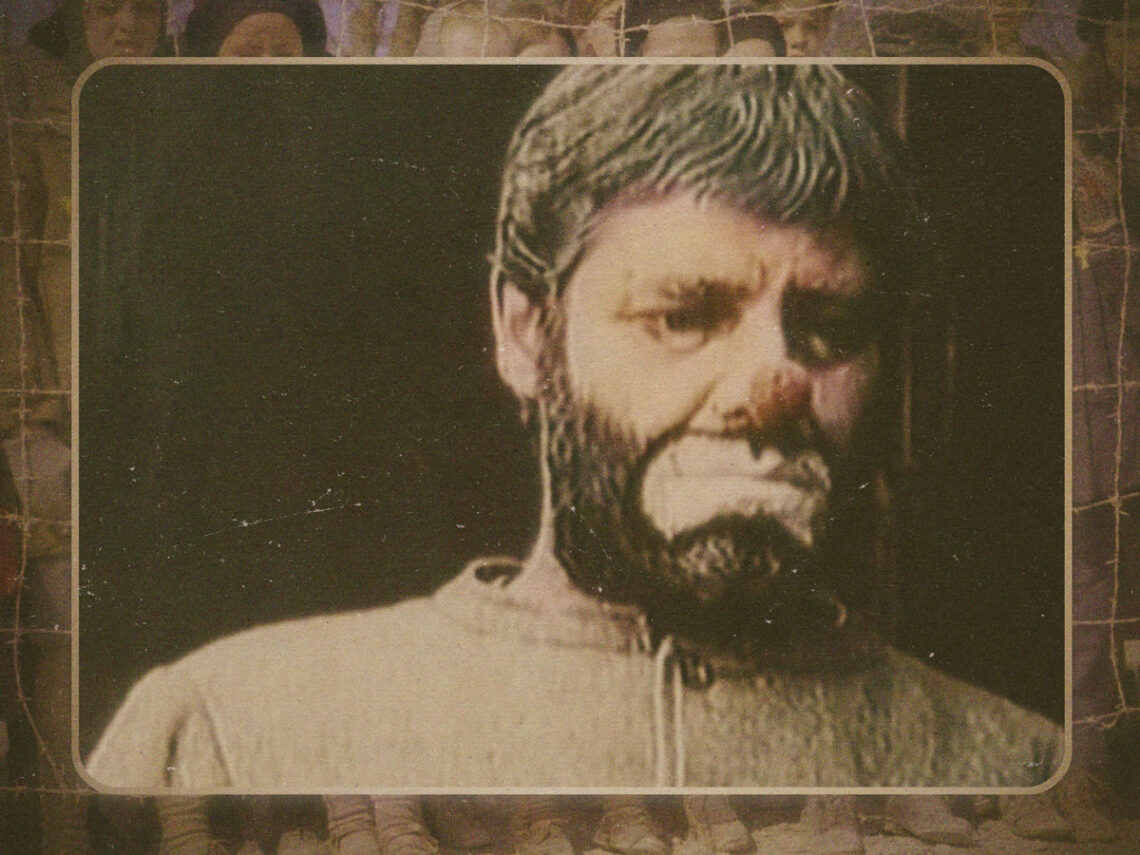
‘The Day the Clown Cried’: The Holocaust comedy nobody will ever see
Whether you’re Wim Wenders or Jerry Lewis, everyone really wants to make boundary-pushing art.
Sure, given the choice, we’d all like to be the most respected, famed and celebrated people of the day and to make a fortune making art. That would be nice, and if anyone hears of those jobs going, let me know. However, a part of that fantasy is doing things our own way.
Nobody dreams of making a song informed by a wide-reaching opinion poll of several thousand submissions detailing exactly what the people are into, then carved into the form that best suits a streaming service’s algorithm.
No, thank you kindly, we want to be celebrated for bearing our souls, maaaan. We want to take on the big topics and be the person brave enough to make a stand on them. To risk everything in the name of making a transcendent statement that other people are seemingly too afraid to make. Seemingly, most of the time, people are just sensible about it and know that some things are just no-go areas for a very good reason. God help us, though, that hasn’t stopped people from trying to make Holocaust dramas, haven’t they?
To be clear, some of these are masterpieces. The Grey Zone, The Pianist and The Zone of Interest are incredible works that treat the subject with exactly the right mix of delicacy and weight. Principally because they’re not using one of the most horrifying events in human history simply as a way of conning the audience into giving the piece a reverence it doesn’t earn. Hello, The Boy In The Striped Pyjamas, how did you get in here?
However, some people make films like this and then realise what a colossal misfire they have on their hands. People like Jerry Lewis, who made one of the most legendary unreleased films ever in 1972.
Why did Jerry Lewis make The Day The Clown Cried?
Very few people earned a nickname as totally as Jerry Lewis did when he earned the nickname ‘The King of Comedy’.
Even fewer comedians have ever reached the level of cultural ubiquity that he achieved in the 1950s and 1960s, coming to prominence in a duo with Dean Martin that split because the actual Dean Martin felt like he was being overshadowed in popularity by Lewis. Lewis was a movie star, a live draw, a television staple, and he had no reason to believe this hot streak wouldn’t continue when he stepped behind the camera.
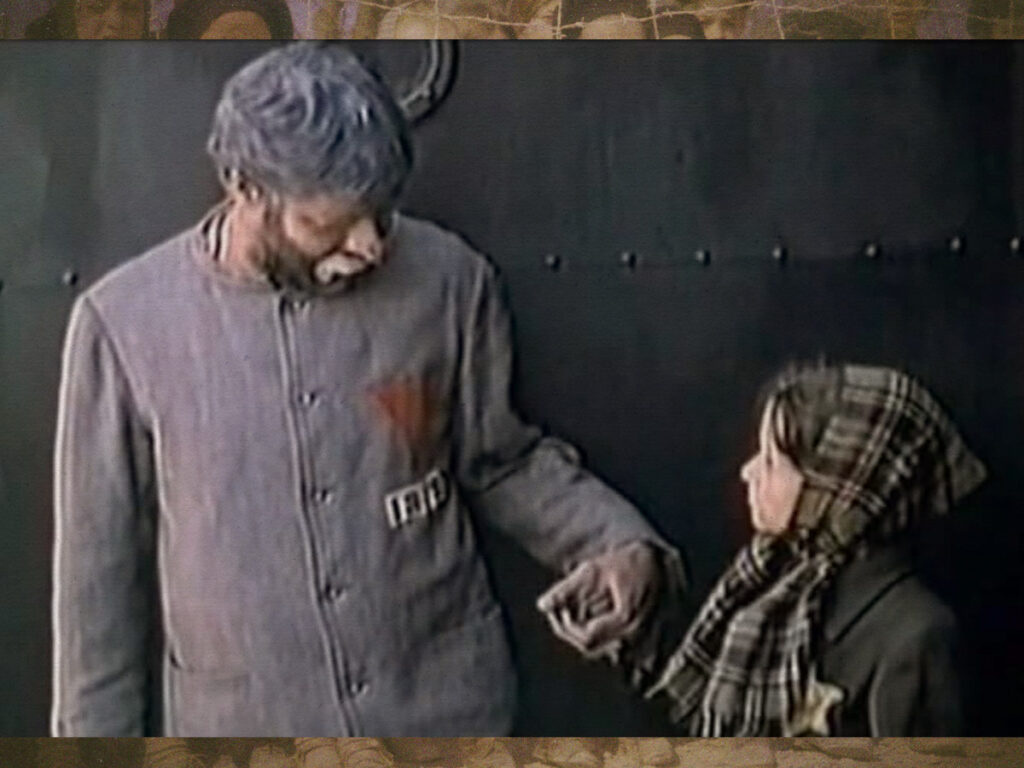
For most of the 1960s, it didn’t. The Nutty Professor was a huge hit, and several of his other directorial works were solid hits as well. The problem was that there wasn’t enough for Lewis by the end of the decade. You see, he was an artist. He wanted to make boundary-pushing art, and to be fair to him, that’s exactly what The Day The Clown Cried was…for all the wrong reasons. It’s the story of a washed-up circus clown arrested for telling jokes at the Führer’s expense and sent to a concentration camp, where his clowning skills are eventually put to use leading Jewish children to the gas chambers. Jesus. H. Christ.
One would have assumed that a story like this would have turned any right-thinking individual off the moment they saw it, but no. Seemingly, it wasn’t until after filming had finished that Lewis came to his senses and realised what an utter calamity he’d written and directed. The irony is that the more he tried to hide the film and prevent its release, the more of a legend it became in bad movie circuits. That Lewis was hiding the worst film ever made from the world, and the people needed to see it.
The film does exist. A few select people have seen it and can confirm that it isn’t even the fun kind of bad. Perhaps that’s the best thing this film could do. Convince people that hubris exists and that just because something is your big idea, it doesn’t mean it’s a good idea.