


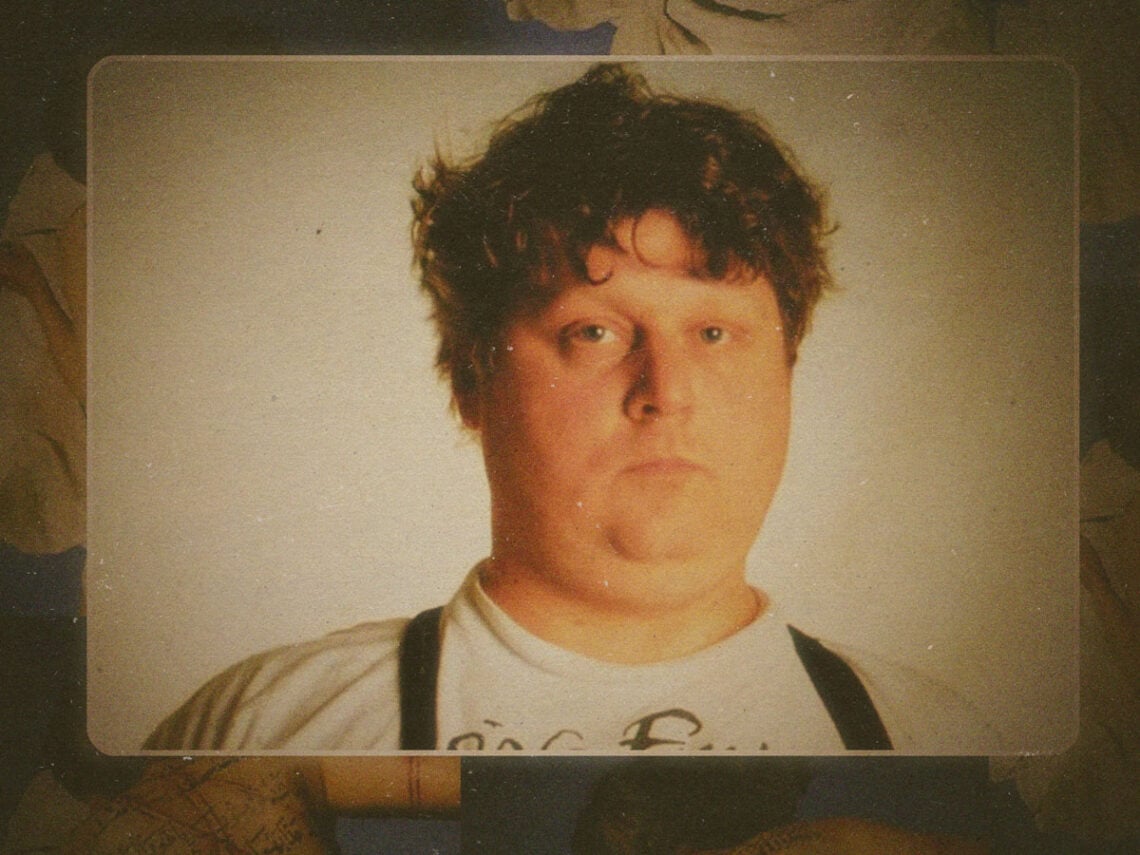
Theo Van Gogh: free speech martyr or thoughtless provocateur?
So, fun fact: Van Gogh isn’t a particularly common surname in the Netherlands.
Thus, if you do have that surname, it’s actually very likely that you’re some distant relative of the most famous person to ever have it. Such is the case with the Dutch movie director Theo Van Gogh, who took his name from his great-grandfather, Vincent’s brother. However, with the sheer amount of rotten luck the great painter had in his life, I can imagine his descendants wanting as much distance as possible between him and them.
Because by the looks of things, that bad luck is contagious. Unfortunately, the story of Theo Van Gogh would make anyone believe that. Wherever Theo Van Gogh went, controversy wasn’t far behind. A successful director in the Dutch film industry throughout the 1980s and 1990s, by the 2000s, he was as notorious for his political and social views as anything else. He moved from filmmaking to writing, becoming known for his screeds against one target above all else.
Van Gogh hated many things, but he hated Islam something fierce.
While this was a hatred that began as a fairly reasonable critique of fundamentalist Islam’s treatment of women, it twisted into something ugly towards the end of his life. When he was using his platform to write wailing screeds about how multiculturalism and unchecked immigration were turning his beloved Netherlands into a warzone. Funny how often that pipeline proves inescapable.
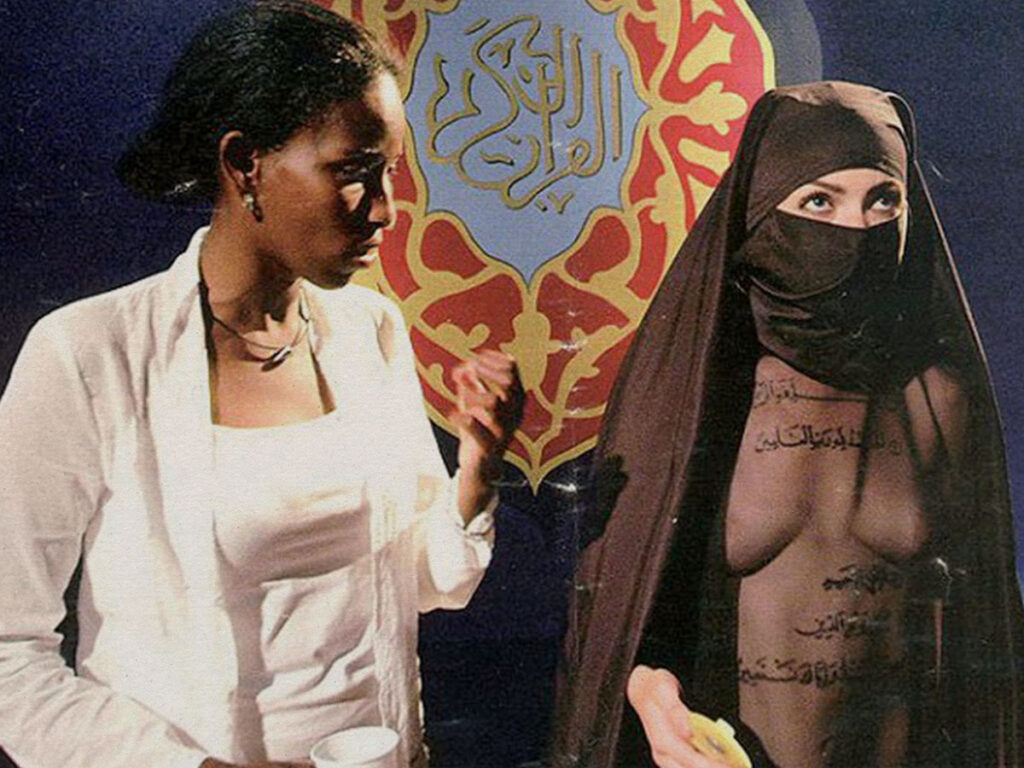
Yet no matter how problematic his writing was becoming, no one deserved the fate that befell Theo Van Gogh after he returned to the world of movie directing with the short film Submission. The short is little more than a piece of provocation, showing an actress wearing a see-through hijab, her skin painted with verses of the Quran, delivering monologues from the perspective of four different abused Muslim women. All very “I’m 14, and this is deep”, but it would be ignorant not to see the points being made.
The problem comes from the fact that he made a piece of art that viciously critiques an organised religion. There will always be religious people who see something like that and respond with all the grace and thought of a bull seeing a red flag.
What happened to Theo Van Gogh next?
The short wasn’t even the sole idea of Van Gogh.
In fact, the piece was written by Ayaan Hirsi Ali, a Somali-born writer and activist who grew up in a Muslim community and, horrifically, underwent female genital mutilation at the age of five. A process organised by her grandmother. Both Hirsi Ali and Van Gogh wanted to make a statement against a regime they both thought was evil and collaborated on Submission as a result. Its title comes from one of the possible translations of the word “Islam”.
The finished film premiered on Dutch television in August 2004, and the backlash was fierce. Both from people who found the piece a tasteless, Islamophobic piece of baseless provocation, and from disgusted Islamic fundamentalists who saw the piece as an attack on their way of life. Both Hirsi Ali and Van Gogh received death threats for the piece, which Van Gogh laughed off, saying, “No one kills the village idiot”. Buddy, I have some terrible news for you.
On November 2nd, 2004, Van Gogh was shot several times and had his throat slit by the 26-year-old Dutch Moroccan citizen Mohammed Bouyeri, who pinned a note to Van Gogh’s chest after the deed was done, threatening the same on Hirsi Ali. The murder sparked outrage in the Netherlands, with several terrorist attacks on Muslim communities carried out in response, most often on mosques but also schools, including an arson attack that burned down a Muslim primary school in Uden one month after Van Gogh’s murder.
Arguably, the most damning assessment of all came from Van Gogh’s own father, who at his son’s funeral could only say that Theo would have loved all the attention. Makes you think about why he made the film in the first place, right?