


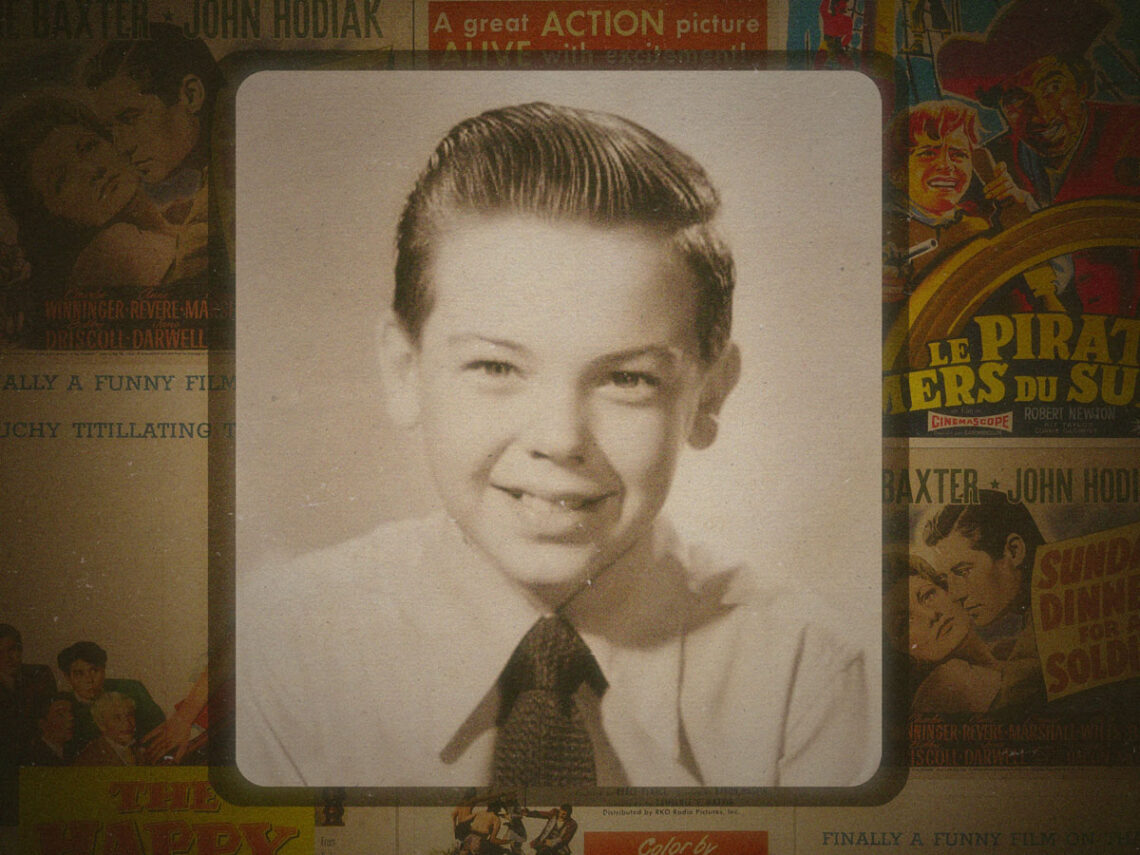
The boy who never grew up: the tragedy of Hollywood’s first Peter Pan
Only a lucky few make it out of Hollywood in one piece. Some are merely stripped of their humanity and morals, but many are deprived of so much more. Today’s movie industry is still something of a cesspit that snares starstruck souls and doesn’t let go until there’s nothing left of them, which is a genuine improvement compared to how Hollywood used to be.
The phrase most used to describe the so-called Golden Age of cinema from the 1930s to the 1950s is the Wild West, which is accurate on both counts. When you think about it, they are both heavily mythologised and romanticised times that are held up as the soul of America. An ideal lost to modernity that should be returned to as a way of Making America… I’m sure you know the rest.
Both of them are periods where the harsh, downright dangerous reality of it is overlooked. Vicious times built on the back of the treatment of innocents that was exploitative at best and cruel at worst. Hollywood is littered with stories like this. Just a cursory look at the life and times of Judy Garland and Marilyn Monroe shows that life at the top of the industry can be genuinely hellish. Yet, most people aren’t at the very top. Not by a long shot.
There’s a sizeable number of people like Bobby Driscoll, who got a few shots at the big time yet were held back from achieving their full potential by the industry. That leads the best and brightest of people down a dark path, and a few force their way out of it with a lot of help. Driscoll didn’t have that help and, alas, wasn’t one of the lucky ones. In a bitter, heartbreaking irony, this is someone whose voice is familiar to generations of kids as well.
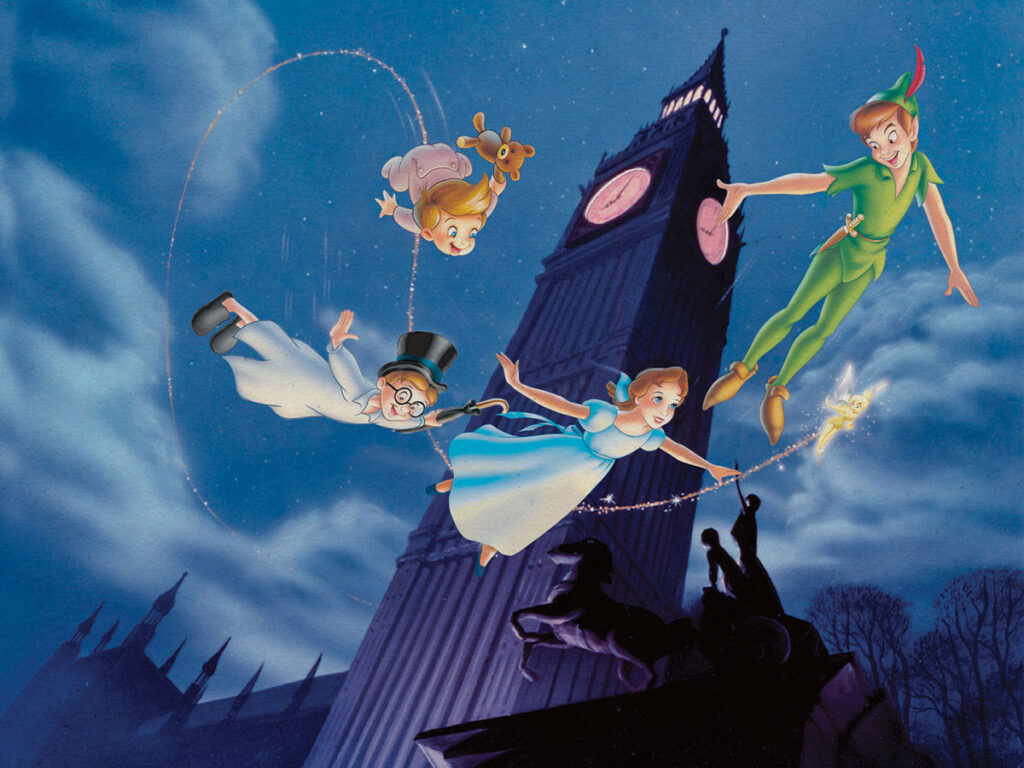
Most notably, he was the voice of Peter Pan in the 1953 Disney animated classic.
How did Hollywood hurt Bobby Driscoll?
Born on March 3rd, 1937, in Cedar Rapids, Iowa, Driscoll was five years old when his family barber reasoned that the boy would do well in pictures, talked to a few friends of his and secured Driscoll an audition with MGM. Driscoll showed an intelligence and a confidence that belied his age, and director Roy Rowland cast him in the 1943 drama film Lost Angel. That really was how easy it could be to get into the industry back in the day, and for a while, it seemed like Driscoll was there to stay.
He had charisma and charm that earned him the nickname ‘Wonder Child’. After a few more bit parts in other pictures, Driscoll became one of the first two child actors to sign major contracts at Walt Disney Pictures, making his lead debut in Song of the South. An unfortunate picture, but one that was a major hit at the time. For the next decade, Driscoll was a sensation, even securing a Juvenile Academy Award for his work in 1949, even before his most enduring work in Peter Pan.
However, shortly after Peter Pan came the ultimate test of a child star’s staying power: puberty. The movie roles dried up, and, despite being a mainstay on TV and radio, this led to Disney cancelling their contract with him. No one would hire him, and to cope with the rejection, he turned to heroin at the terrifying age of 17. He left Los Angeles for New York in 1965, hoping to rebuild his career on Broadway, but that came to nothing, too. Instead, he found an in with Andy Warhol’s Factory community in Greenwich Village. A much cooler option, sure, but not a great idea for a man whose drug habits were becoming all-consuming.
Within three years, Driscoll was dead. His body was discovered in an abandoned East Village Tenement by two boys playing within it. With no ID on his body and no family around to identify him, Driscoll was buried in an unmarked pauper’s grave on Hart’s Island, New York. A heartbreaking end for someone who brought joy to so many, with all his roles, not just the famous ones.
His story is the black heart of Hollywood thrown into stark relief. One that we’d do well to bear in mind even today.