


Breaking Point: What was the appeal of torture porn?
Serious question, is there art that is not worth understanding?
Because if you look hard enough, there’s artistic justification for just about anything. The kind of artistic justification that seems so convincing in the moment, but falls apart the moment you try to explain it to anyone. I’ve seen think pieces on the subtle queerness of a comedy TV show from the late 1990s and early 2000s. About how the escapades of its cast showcased men being comfortable and accepting of each other’s bodies in close proximity to each other at a virulently homophobic point in modern culture. That show? Jackass.
It’s true, you got people trying to intellectualise a show seemingly built on the proudly rejecting any intellectual reading of it whatsoever, where trying to read any themes into it might go against the entire point of the show itself. You think kids losing their shit whenever the numbers six and seven pop up together in public is bad? Adults in the early 2000s were watching their kids howl with laughter at a bunch of guys filming themselves jumping into shopping carts and rolling down hills until they crashed into cars. That was one of their less puerile stunts, by the way.
The other side of the argument is that when it comes to any art, from Jackass to Brahms, the interesting thing to analyse is not so much the art itself but the appeal of it and clearly, Johnny Knoxville and the gang were on to something with their antics. Because they weren’t the only folks around peddling scenes of people going through unimaginable agony and laughing all the way to the bank with it. No, in fact, they were arguably a precursor to the 2000s’ biggest trend in horror movies, the grotty, grim world of torture porn.
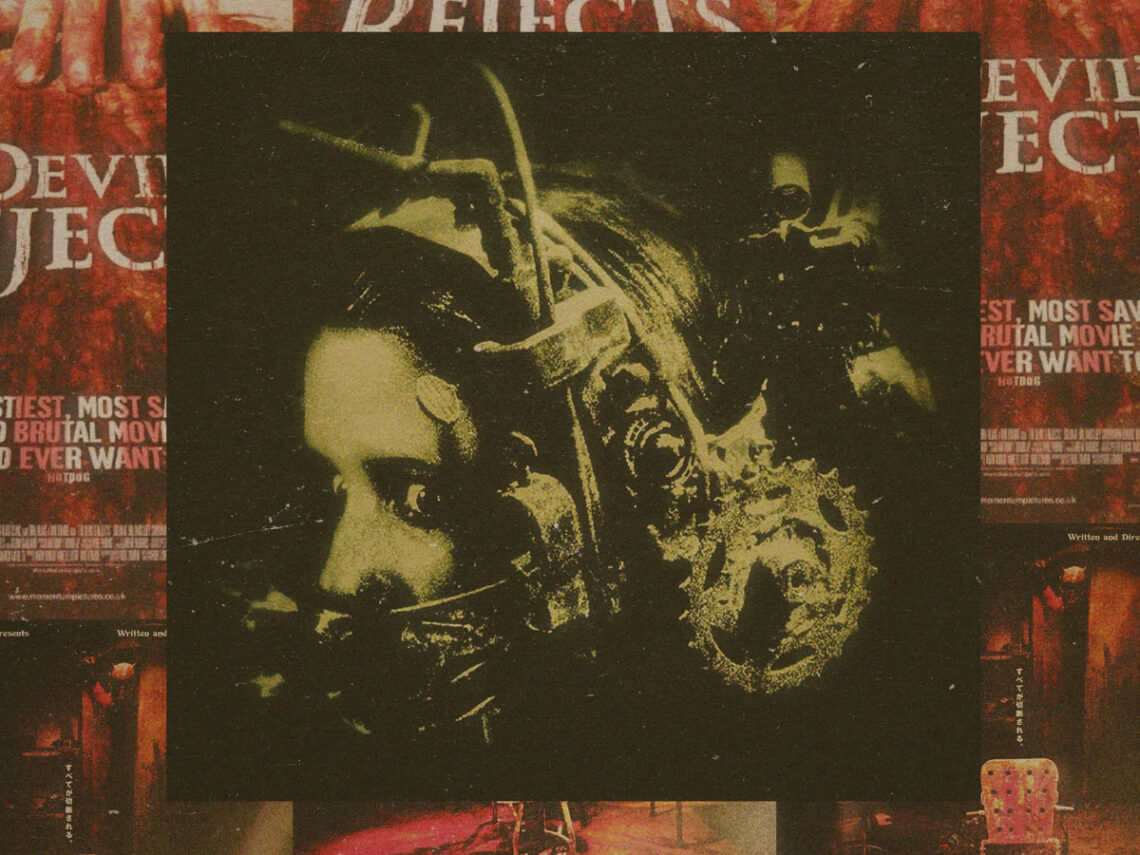
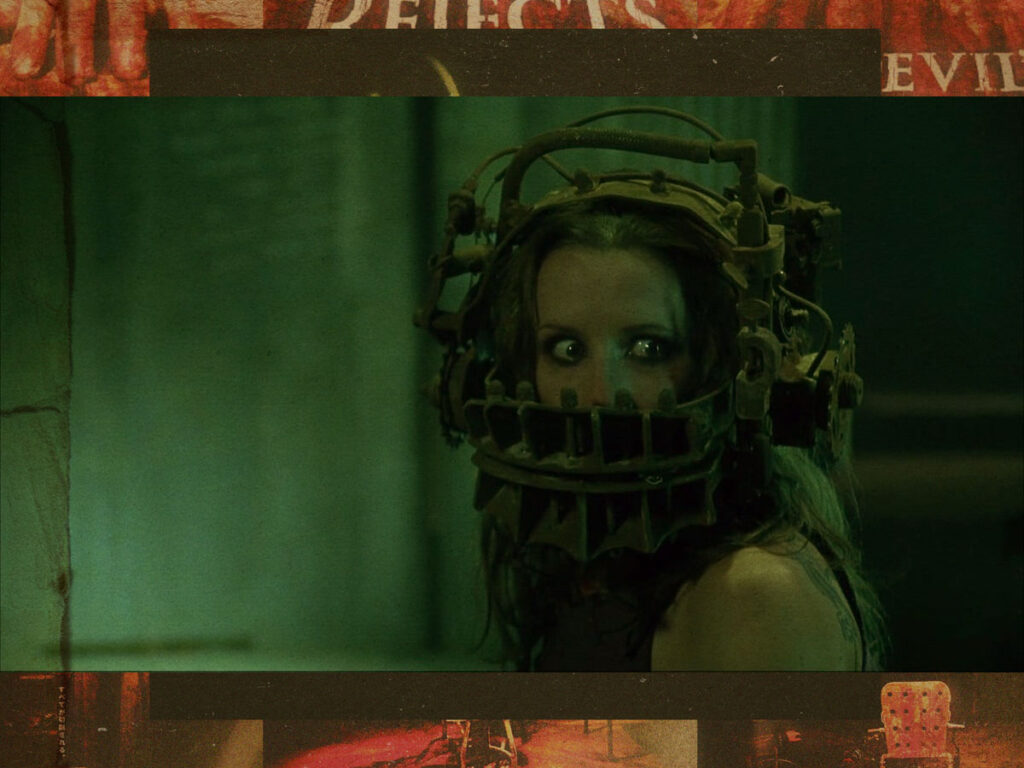
This was a trend that arguably began with 2004’s Saw, but became a phenomenon the year after. Hollywood took notice of the unbelievable profit that James Wan’s thriller made, making literally a hundred times its budget at the box office, and greenlit every sleazy exploitation thriller they could. Hostel, The Devil’s Rejects and Wolf Creek were all released the following year, and while none of them were the phenomenon that Saw was, they didn’t need to be, which leads to the first reason why torture porn was such a phenomenon at the time. Quite simply, they were cheap and they got butts in seats.
What was the appeal of torture porn?
However, this was more than just a fad that Hollywood jumped on. Never forget that there were Saw sequels coming out every Halloween for the next six years running. This was more than just supply creating demand; people were going to these films in droves. Saw came out the same year as Zack Snyder’s Dawn of the Dead, Alien Vs. Predator and Blade: Trinity, and while each of those films had a higher box office gross than Saw, none of them inspired a franchise that has made nearly a billion dollars at the box office. With a B.
You can call torture porn shlock with no redeeming qualities, God knows many people did at the time. However, in the arthouse, the same thing was happening. The New French Extreme was producing Gaspar Noë’s Irreversible and Pascal Laugier’s Martyrs, which are both basically what people who haven’t seen the Saw movies assume the Saw movies are (they’re actually just crime thrillers with a bit more sass, but don’t tell anyone). These films may have been shocking and grotesque, but lots of shocking and grotesque films are released to a shrug. These resonated with people.
Thus, we should look at why previous horror films resonated the way they did. Slasher films like Halloween and Friday the 13th resonated with audiences in the 1970s who were seeing serial killers destroy the idea of suburbia as a safe haven. Today, cult movies like Hereditary, Midsommar and The Empty Man hit close to home because we all know how easy it is for otherwise sane and sensible people to be manipulated into believing insane things due to charismatic grifters. So, what was going on in the early 2000s that might have people scared, I wonder?
It’s no coincidence that torture porn thrillers became a worldwide phenomenon when torture itself was in the news most days. The American response to the war on terror saw genuinely shocking images of torture coming to light almost weekly, most often committed by the American armed forces on prisoners of war. Horror films act as a form of catharsis. A way of expressing deep-seated fears in an environment that is fundamentally safe. Is it any wonder that, after having images of defenceless people being violated in horrific ways burned into your head on the nightly news, people would cope with that first by making art as a response to it, then taking in that art as a way of coping with it?
Was any of this intentional? Almost certainly not, both on the part of the filmmakers and the viewers. Does it make these films great art? Absolutely not, but things don’t have to be great art in order to speak to humanity, and thus, there will never be art not worth understanding. Unfortunately.