


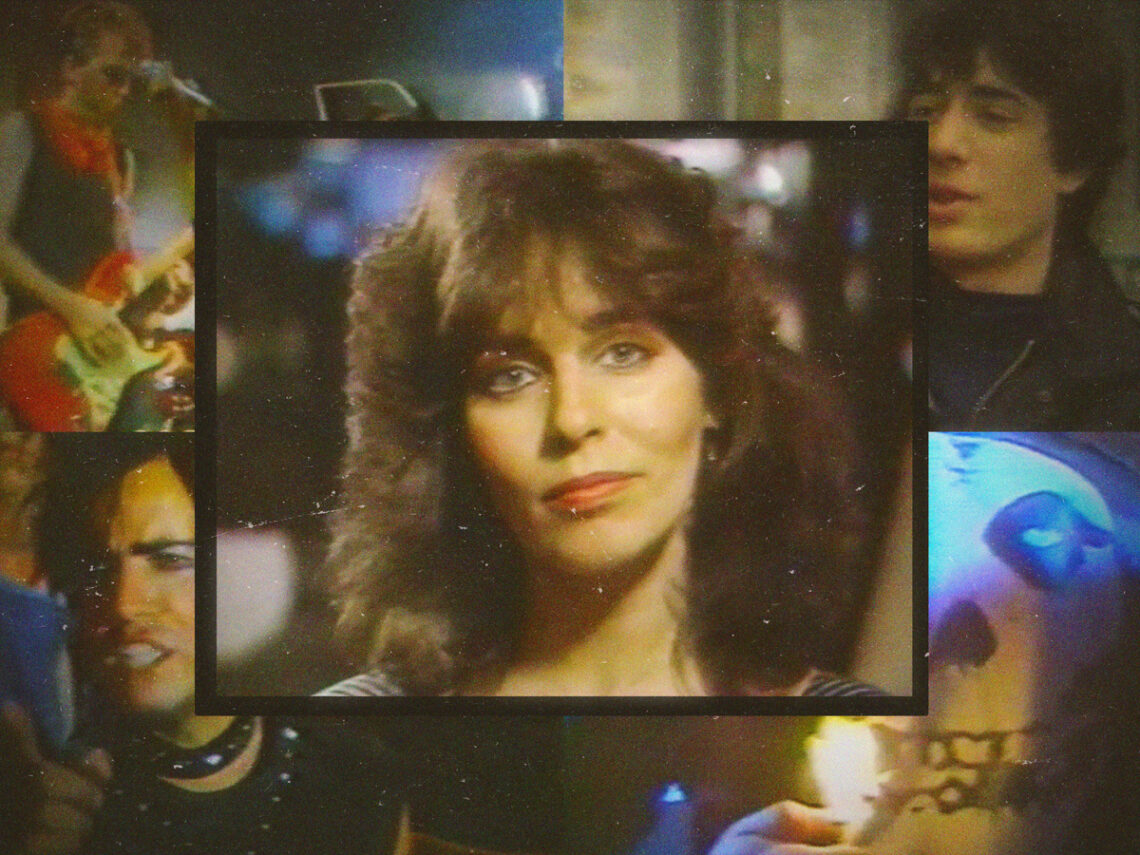
Punk rockers, Bad Brains, and CBGB: Revisit a charming local news segment on hardcore, 1982
This is another one of those fun, seen-in-retrospect “time capsules” about how allegedly scary punk rock was supposed to be, while presenting footage of kids who seem anything but terrifying.
Misfits? Sure. Scary? No.
Back then, the mainstream press treated punk like it was a feral virus imported straight from the gutters of London. To most suburban parents, the safety pins, leather jackets, dyed hair and spittle were less about fashion and more about some perceived breakdown of civilisation. Never mind that it was basically a bunch of art school dropouts, outcasts, and disillusioned kids looking for a tribe—local news crews framed it as if Aleister Crowley himself was booking bands at CBGB. The nightly news needed villains, and punk provided the perfect image: snarling kids bashing out noise, conveniently stripped of the humour, the politics, and the actual community spirit of the scene.
By the early 1980s, the paranoia had properly calcified. Punk was now being cross-wired with the so-called ‘Satanic panic’, violent crime, and even terrorism in some of the more hysterical newspaper columns. Never mind that most punks were more interested in cheap beer, photocopied zines, and arguing about which Discharge record was better. To outside eyes, slam dancing looked like an orgy of violence, mohawks looked like war paint, and if you were a cop or a local TV producer, it was just easier to brand the whole thing as a youth cult to be feared rather than, say, a creative outlet for kids with nowhere else to go.
The time was pinpointed by one of the people interviewed as either 1982 or 1983. The segment was from something called 2 on the Town, and I’m going to guess that this was something seen on the local CBS affiliate in New York at the time.
Dig the ‘Let’s Get Physical’ location of the host wraparound. Instead of using an actual hardcore punk soundtrack, for some (bad) reason, they decided to cut it to David Bowie’s ‘Cat People (Putting Out Fire)’ and ‘Turning Japanese’ by the Vapors. Despite this, there’s a choice clip of the Bad Brains and a look at the sort of explosive melee they inspired. We also see a bit of the infamous “punk” episode of Quincy, followed by some disgruntled teenage commentary about it.
Seen today, of course, the footage is almost quaint—gangly teenagers mugging for the camera, talking big, half-scared of themselves but fully committed to the pose. What’s really scary isn’t the kids, but how quickly the media machine was able to spin them into something monstrous. It’s the same pattern you see with every youth movement, from beatniks to hippies to ravers: the establishment projects its own fears onto the kids, and in doing so, ends up turning what was essentially just noise and eyeliner into a full-blown moral panic.
What makes clips like this so fascinating is how they accidentally capture the truth despite themselves. Between the clumsy voiceover and the bad soundtrack choices, you can still glimpse the real energy of early American hardcore: sweaty basements, cheap guitars, and the sheer thrill of kids making something entirely their own. That’s the part that endures long after the headlines about “violent punks” and “youth gone wild” have faded—the sense that for a brief moment, these misfits had built a world where they belonged, and nothing was scarier to polite society than that.
There’s even an interview with a cool mom!