


‘Gloomy Sunday’: Can a song inspire suicides?
We all love a sad song, don’t we? Or at least, we think we do.
There’s nothing quite like the cathartic feeling of a song speaking directly to your melancholy and allowing yourself to exorcise yourself of exactly what’s making you blue.
That said, there’s a world of difference between what makes a song sad and what makes a track depressing. Take, for example, the Johnny Cash cover of ‘Hurt’ and its Nine Inch Nails original. Cash’s cover is desperately sad. In the hands of The Man In Black, the material becomes a desperately moving lament of a life as full of regrets as successes. It’s difficult for even the most hardy listener not to get a little misty-eyed.
Not so with Reznor’s original. The original version of ‘Hurt’ is an excoriating listen that leaves you shaken to your core. It’s not meant to be nice; it’s not meant to be cathartic; it’s meant to give you a look into how Trent Reznor felt at the darkest moment of his life. It was horrible in a way words can’t express. So, how did people do that before the days that production on a pop record could produce a song like ‘Hurt’? They made songs like ‘Gloomy Sunday’.
Even though any version of ‘Gloomy Sunday’ is invariably a thing of beauty, this is a song that started out as a Hungarian folk song with the title ‘The World is Ending’ and somehow got even more depressing as time went on. So much so that, due to several urban legends of people committing suicide as a direct result of listening to it, the song was outright banned from radio play in several countries.
Or was it? Let’s look a little closer at this infamous number.

Did a song inspire suicides?
As mentioned previously, the number began as a set of lyrics composed by Hungarian pianist and composer Rezső Seress in 1933 that, yes, was called ‘The World is Ending’.
While the song that this lyric inspired would be about romantic despair, this was about something a whole lot more depressing. After all, Seress was a Hungarian citizen in 1933. When he wrote ‘The World is Ending’ it wasn’t because some girl left him and he was pitying himself, it was because the world literally looked like it was going to end at the hand of fascist maniacs. What an alien feeling we can’t all directly relate to today.
This lyric was adapted by the poet László Jávor into a (very, very slightly) less depressing tune called ‘Sad Sunday’, which saw it take the shape we’re familiar with today. This one was less about current events and more about the feeling of wanting to take your own life in order to be with your dead lover. Like I said, very, very slightly less depressing. This version became a hit across Europe and was translated into many different languages.
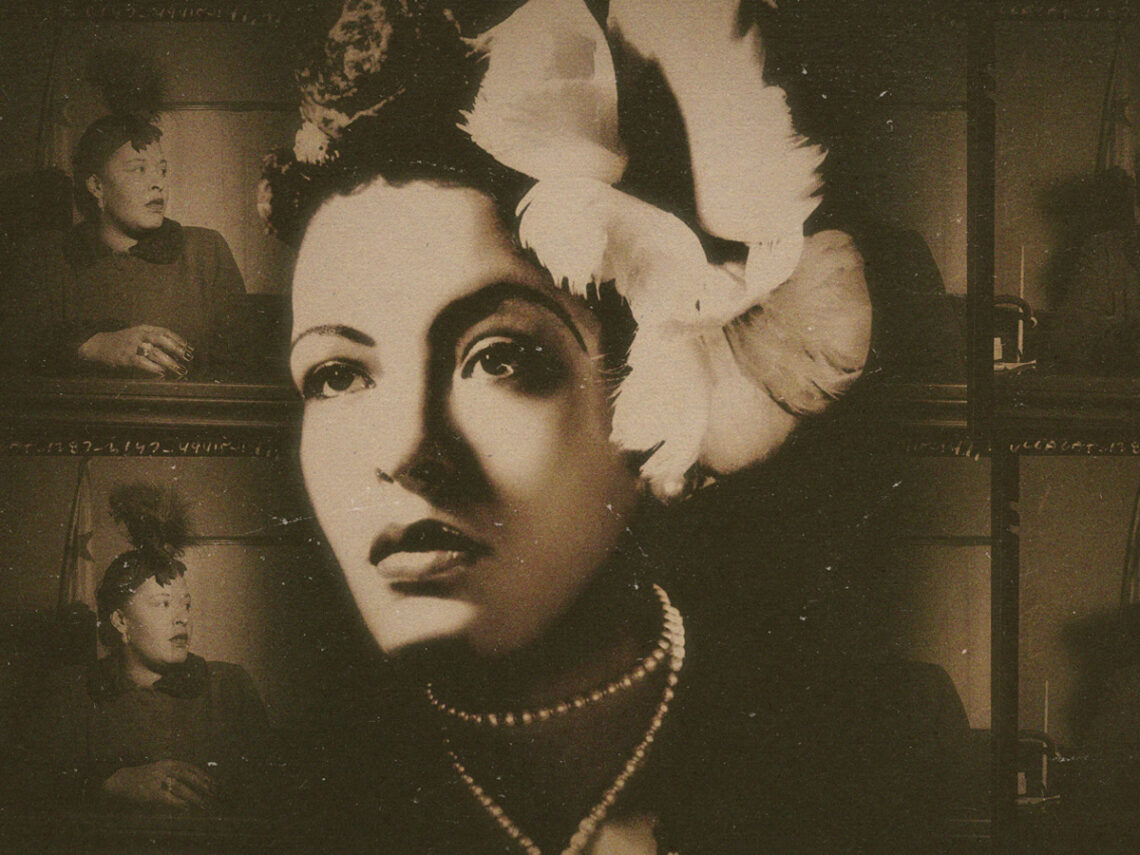
The first English language versions of ‘Gloomy Sunday’ were sung by Hal Kemp and Paul Robeson, but it was Billie Holiday’s still spellbinding version of the song that lingers long in the public conscience. This was also the one that attracted the rumours that the number was banned for causing suicides, which is only half true. The truth is that it was banned by the BBC, specifically during World War II, as they thought it would be detrimental to the national morale.
Perhaps this was true, but for some reason, the band wasn’t lifted until 2002?! Maybe the Beeb knew something we don’t, especially after Seress died in 1968. His cause of death? Suicide.