


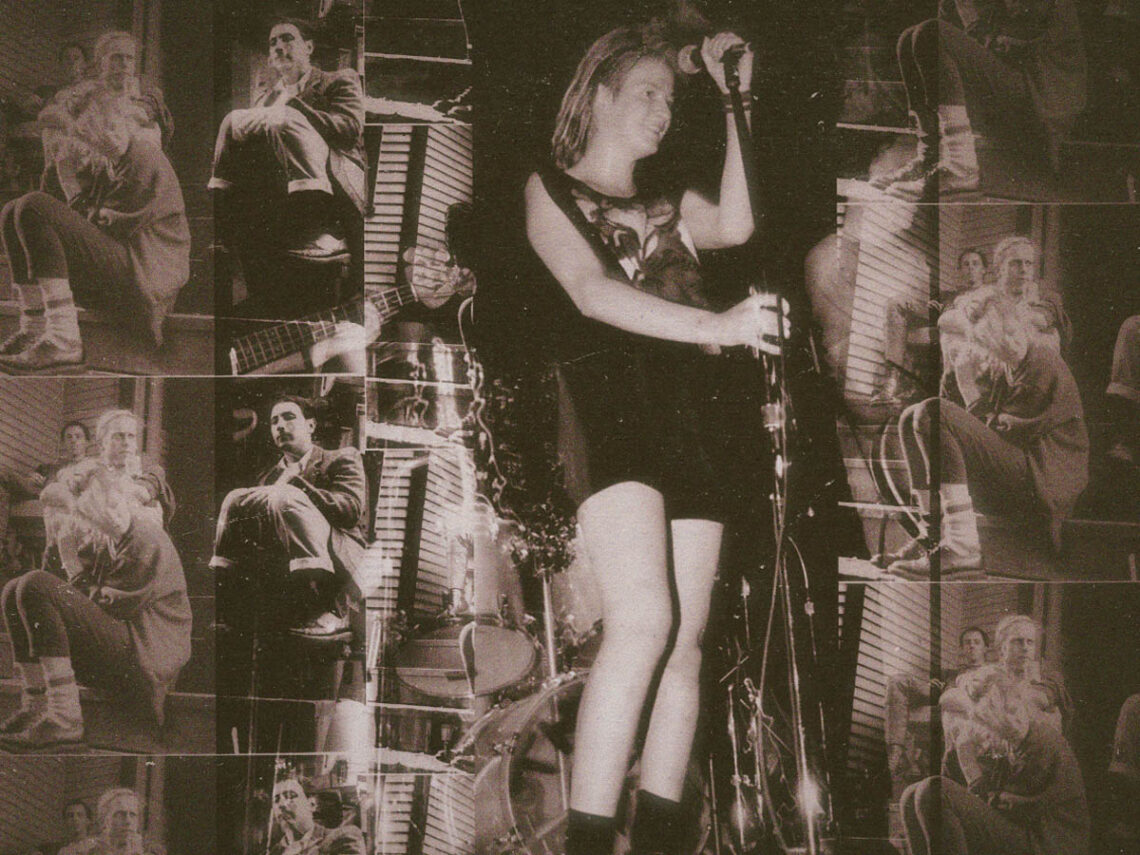
Mia Zapata: the grunge legend whose brutal murder went unsolved for 11 years
In the summer of 1993, Mia Zapata recorded ‘Sign of the Crab’ with her rock band The Gits. Barely a week later, she would be the tragic proof that songs about how dangerous the world is for women are never the result of paranoia or fear-mongering.
Everything was going Zapata’s way before the fateful event. At 27, she and her band had just signed to Atlantic Records and seemed poised to hit the big time. Remember, only two years prior, Nirvana had shown the world that the Seattle grunge scene was peerless, and The Gits were one of the many bands touted to follow in their footsteps. Though the band had formed in Ohio, they’d adopted Seattle as their home turf and had all the tools to make good on that promise.
They had earned huge credibility thanks to coming up through the Seattle hardcore scene, combined with the heft and weight that came from their music. Furthermore, they weren’t afraid to stuff their songs with shout-along hooks and, like Nirvana themselves, they had a pin-up of a singer ready to become an icon to generations. That was legitimately the trajectory Zapata was on, a true star in the making with the world at their feet.
When their debut album Frenching the Bully came out in 1992, The Gits seemed like as sure a thing as any. Two years later, the band had just finished work on the follow-up, Enter: The Conquering Chicken. Zapata had just recorded ‘Sign of the Crab’, a song about a serial killer that saw her sing “Go ahead and slice me up / spread me all across this town / ’cause you know you’re the one that won’t be found.” When asked why she’d written a song about a serial killer, she responded, “Because it’s happening so much”. A grim omen of what was to come next.
Zapata was found murdered on the morning of July 7th, 1993, beaten, raped and strangled to death near the intersection of 24th Avenue South and South Washington Street near Capitol Hill, Washington.
On the eve of her death, Zapata had been visiting friends at the Comet Tavern, a popular hangout for local musicians at the time, before leaving the bar at 2am. Within hours, she was dead. The case caused an uproar in the Seattle music scene, yet the cops remained convinced that the person responsible knew Zapata.
However, the police couldn’t find anything. The Seattle scene, frustrated with their efforts, raised funds to hire a private investigator, Leigh Hearon, but she was none the wiser, despite continuing to work on the case long after the money raised dried up. Five years after Zapata’s death, the Seattle Police Department were forced to admit, via detective Dale Tallman, “We’re no closer to solving the case than we were right after the murder.”
The case remained cold until 2003, when a random DNA test conducted by the Seattle Police Department’s cold case team finally found a match. A sample of the perpetrator’s saliva had been kept on file since 1993, yet no match entered the United States’ Combined DNA Index until 2002, when Jesus Mezquia was arrested in Florida for burglary and domestic abuse. Seattle Police arrested him on January 10th, 2003, and while he denied all charges, he was convicted of the crime and sentenced to 36 years in prison, and died in the hospital on January 21st, 2021.
In Zapata’s honour, the women of the Seattle music scene set up the non-profit Home Alive, an organisation that’s done many great things and continues to do so to this day – empowering women via self-defence classes and community activism, but no good will ever overshadow the loss of one of the brightest lights in 1990s rock, taken far before her time.