


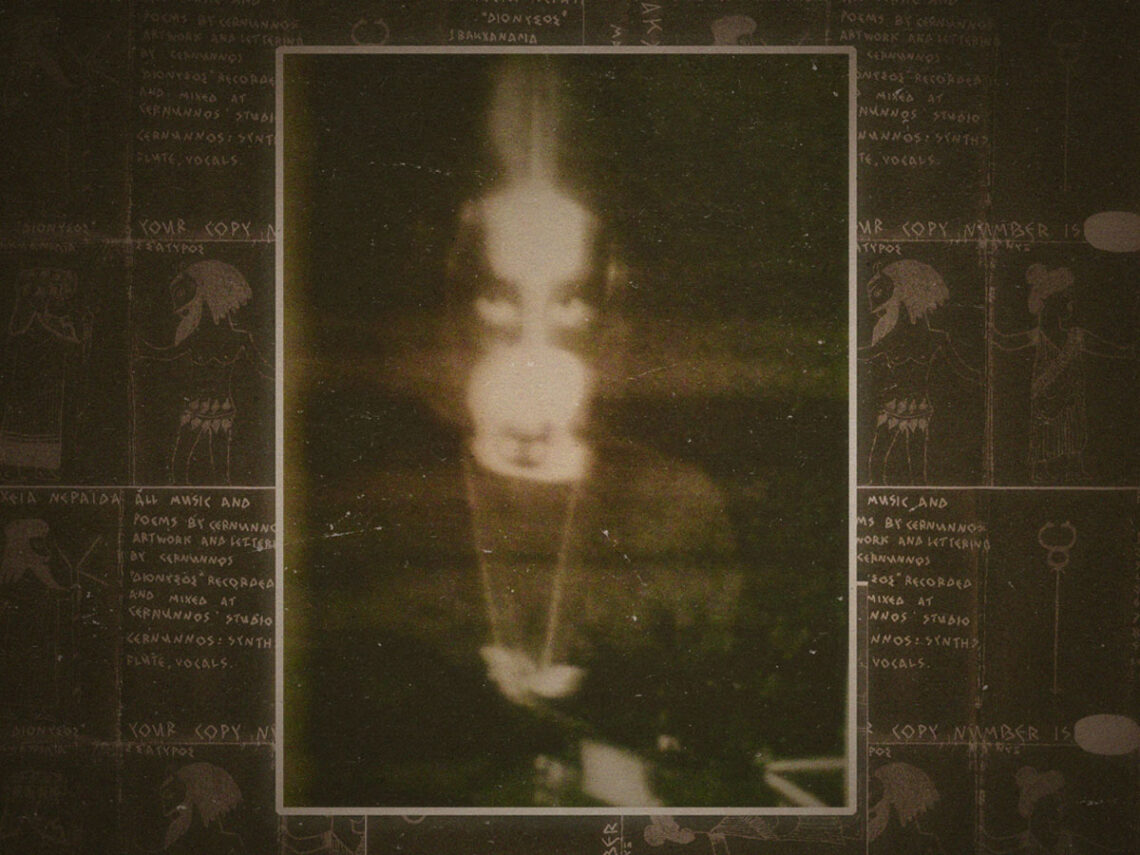
How do black metal solo acts push the genre forward so much?
So…what exactly makes a black metal band?
The answer should be obvious. The signifiers of the genre aren’t exactly subtle, and neither is the music. Surely it should be enough to have a bunch of long-haired, intense-looking men in corpse paint howling about Satan like a foghorn in need of a Lemsip over blastbeats and distorted guitars, right? Job done, home time, see you at Wacken, right? Well, not quite.
Much as punk is far more than sneering kids with purple hair playing three chords on a Gibson Les Paul, black metal goes deeper than mere Venom cosplay these days.
You see, fairly soon after black metal became the toast of the metal underground, it actually stopped being played by bands all that often. Sure, black metal bands like Behemoth and Dimmu Borgir are still huge names within the scene. However, the most progressive and transgressive forms of the genre stopped being played by bands and started being played as solo projects. At first, this was a reflection of the debt the scene owed to the DIY punk ethos. If you had the idea, just put it on a tape, who cared about needing a band?!
On the not-so-positive side of the spectrum, it also spoke to the scene’s insular nature. You made music for no one but “the scene”. Thus, the weirder and less accessible your music was, the better. As music technology evolved, however, the limits of what a solo black metal act could make broadened. Suddenly, these tapes didn’t have to sound like they were horribly malfunctioning; they could sound like actual music instead.
Still weird as balls though, but any progress is good progress.
What is the best example of the progression of black metal?
Suddenly, you had solo acts still nominally making black metal, but able to give it any spin they wanted and make it work. If they wanted to provide it with some of that shoegaze-y guitar distortion, they could. If they wanted to give it Vangelis-style synths, they could. Hell, many artists went whole hog and started making black metal informed by forms of traditional folk music.
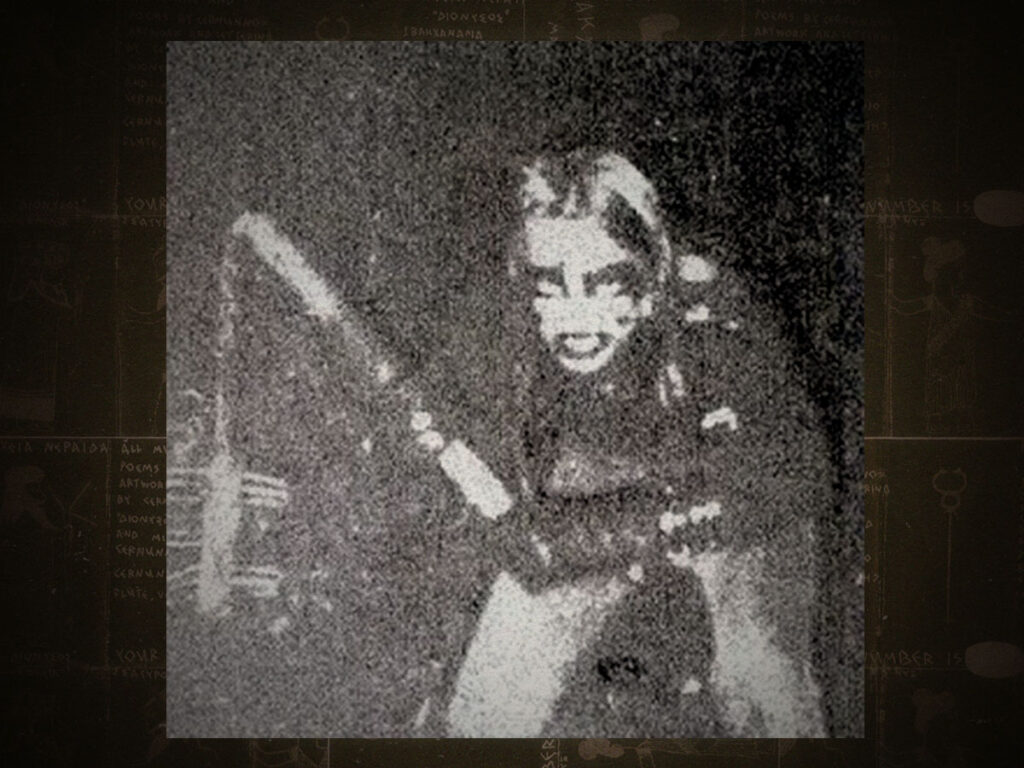
Then you get Bacchia Neraida, who essentially combined all of them for his solo project.
Not a whole lot is known about the project. All the person behind it has made public is their name, Cernunnos (possibly not their legal name, but who knows), and their base of operations. Flying in the face of black metal’s Scandinavian origins, Cernunnos hails from the slightly sunnier shores of Corfu, in the Ionian Islands. If this is a fiction, he’s at least committing to the bit in the music. Just as lots of Scandi metal concerns itself with Norse mythology, Cernunnos’ work in Bacchia Neraida talks of ancient Greek mythology.
That is, if you can work out what the guy’s actually saying. His work in Bacchia Neraida straddles a line between black metal, ambient music and traditional Greek folk music that is mainly instrumental. When he does turn up as a vocalist, it’s buried way down in the mix under the strangely chaotic sounds above him. That’s how music evolves, though. It sounds baffling the first couple of times you hear it, then you give it a little time, and suddenly, it all makes sense.
It just takes some people willing to make some truly strange sounds, though, and in the world of black metal, there’s no shortage of them.