


How reggae gave the world the first remix
The remix is proof that music is a living art form. The idea that a song stops after it’s written or, even worse, after it’s recorded, goes against the whole point of the medium.
Music isn’t just meant to be shared, it’s meant to evolve. Part of the joy of early folk songs wasn’t that people would painstakingly learn them and perform them exactly the way they heard them. Nor did it derive from people merely sitting and listening to one person with a guitar sing their songs before leaving it at that. No, songs were passed around, and everyone would give their own spin on them, hence the name ‘folk’ music.
Remixing is just an evolved form of that thought process. Just like with folk music, it’s taking existing songs and sharing them with the world with a new and exciting twist. Are a lot of them cash-ins? Well, yes, but so is most music. Hell, no form of art has had a major release without someone thinking that they could make a buck off it. Even with that in mind, the remix often leads to fascinating results. How could it not when the whole point is to reframe a piece of music into something entirely different?
At their best, they’re transcendent. The ‘I Feel Love (Mega Mix)’ by Patrick Cowley, Fatboy Slim’s version of Cornershop’s ‘Brimful of Asha’ and the A-Trak remix of ‘Heads Will Roll’ by Yeah Yeah Yeahs are all prime examples of remixes at their best. It can also make careers, too. Lana Del Rey’s first real hit came from Cedric Gervais taking on her masterful ‘Summertime Sadness’. However, the practise didn’t begin in dance music.
Instead, it began in the reggae capital of the world, Jamaica.
How did the remix begin?
Reggae as we know it began in the major city centres of Jamaica in the late 1960s and early ’70s. However, it wasn’t the same kind of music scene prevalent in many other cities in the world at that time, which typically centred around bands. Instead, the reggae scene had much more in common with dance music scenes that wouldn’t reach mainstream music worlds until the late ’80s.
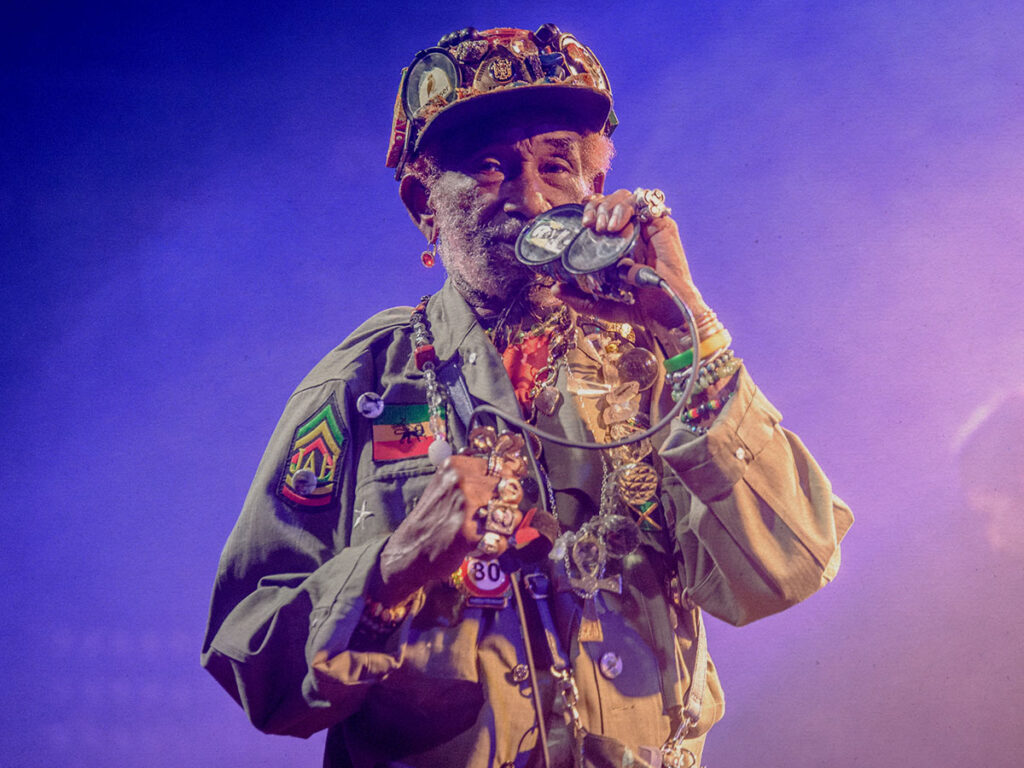
To be clear, there were loads of bands active in the scene at the time, but there were also producers who would make their own music in a way which was alien to the rest of the world. The likes of Lee ‘Scratch’ Perry, Ruddy Redwood and King Tubby would write and produce songs, then realise that different clubs had different tastes. With this in mind, they would create what they called ‘versions’ of their own music to suit the mood of different clubs. For example, if an environment wanted to dance more, they would create extended instrumental versions of the songs to be played in those clubs.
Over time, the effects they used on these versions grew in sophistication. To the point where they no longer became mere ‘versions’ of the same song but whole new creations. By the end of the ’70s, the nascent disco scene had taken a few tips from the reggae scene, and when DJs started releasing their own ‘versions’ of the songs they played during sets, ones that were longer than the original versions and featured effects like echoes, reverb and delay, these were given the official name of remixes.
A word which deservedly belongs to dance music today, but one that originated from the world of reggae.