


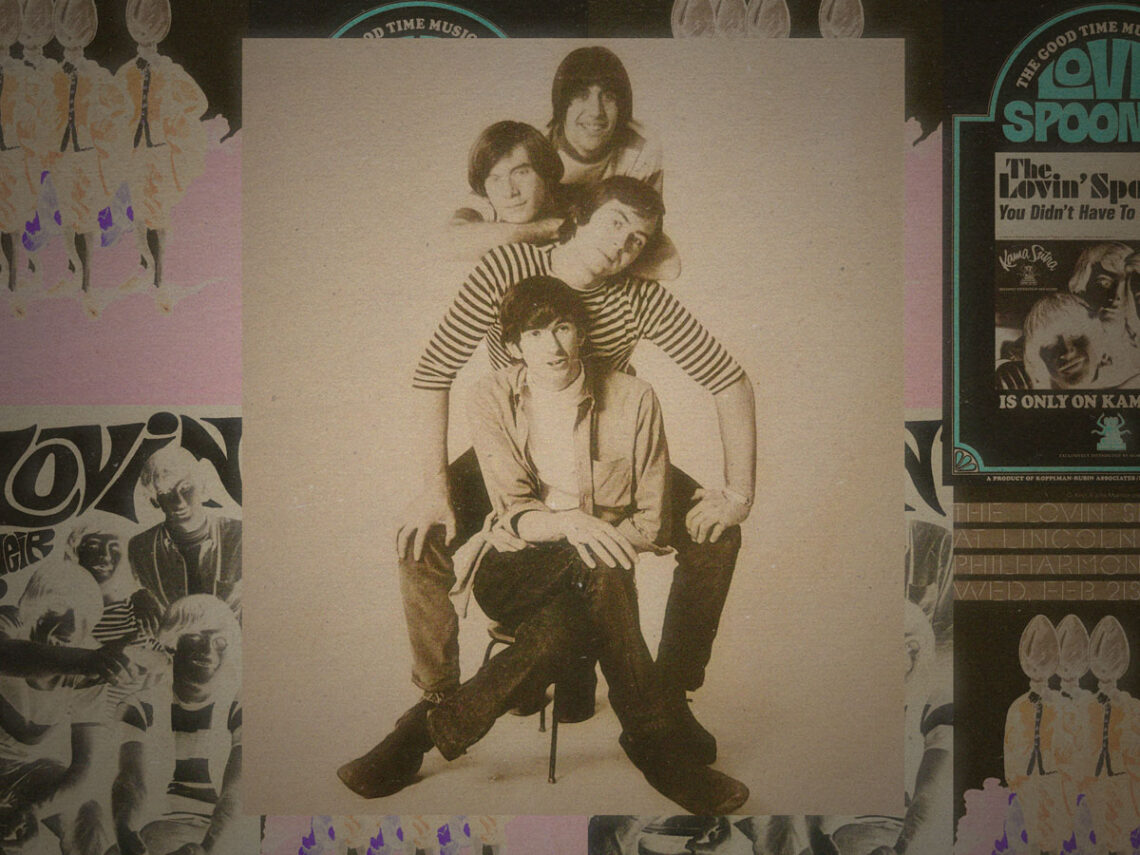
How did The Lovin’ Spoonful became the counterculture’s most hated band?
I would argue that the two most pervasive questions in the history of popular music are as follows. First, what makes a band cool? Second, what makes a band uncool.
Oceans of ink have been spilt trying to narrow down what exactly gives a band either of those vitally important characteristics, yet still, we’re no closer to figuring out the truth of the matter. We’re slightly closer to the second question, to be fair. No one’s going to seriously argue that Imagine Dragons, Pentatonix or Limp Bizkit are in any way cool, but even then, give it time and that may change. Bizkit, in particular, were having a career second wind until Fred Durst started twerking for Vladimir Putin, which seems to have put the kibosh on that particular act of 2000s nostalgia.
There’s basically no band that everyone can agree on as cool, right?
Turnstile are one of the hottest bands in the world right now but I’m sure there’s no shortage of people who view them as terminally cringe sellouts who cashed in on the hardcore boom. My millennial ass still can’t help but see The Strokes as the peak of disaffected NYC cool, yet they’re as 6 Music Dad a band as you can get these days. Of course, all these bands that last long enough will fluctuate between periods of being fashionable and not, which makes it even harder to pin down.
Perhaps the best way of looking for the answers here is to look at the very beginning of rock bands becoming cool and, as the unavoidable other side of the coin, becoming uncool as a result. Like most things about the culture of rock music as we know it, we can trace the origins of this back to the 1960s, and one band in particular stands out in terms of being lame in a way that hadn’t been seen before. The first band to suffer backlash for going against the counterculture grain.
That band was The Lovin’ Spoonful.
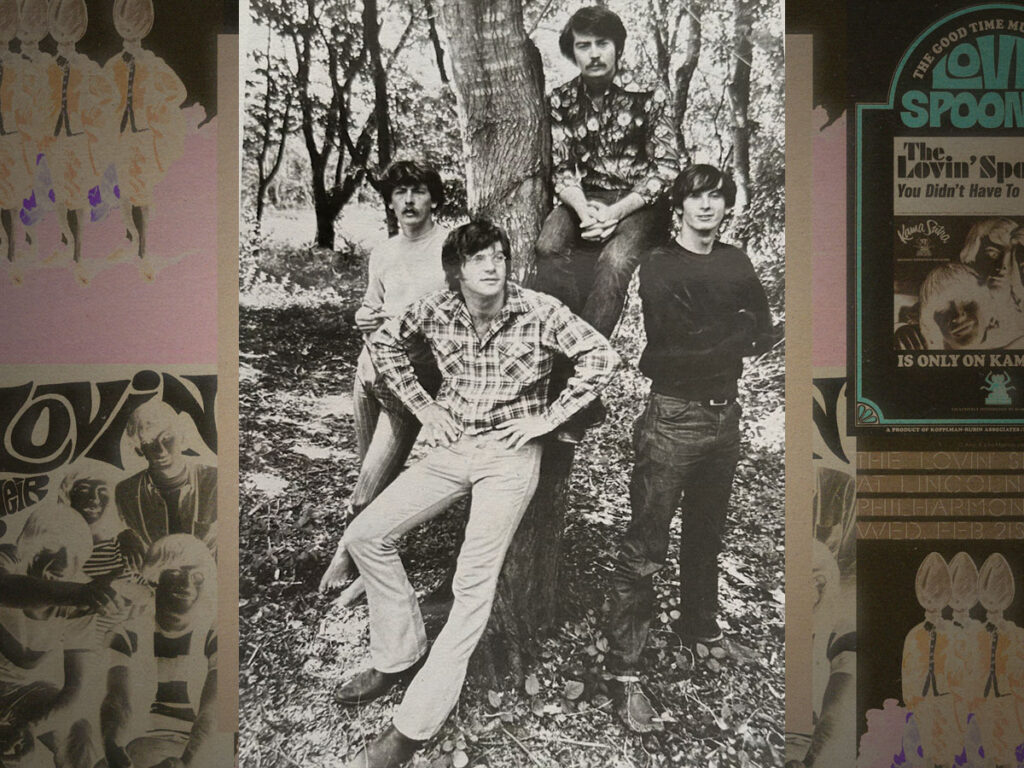
How did The Lovin’ Spoonful become uncool?
Of course, to suffer the kind of all-encompassing backlash that The Spoonful did, one first has to prove themselves as cool. What goes up must come down, after all, and the majority of the time, there’s a sense of betrayal that comes with being deemed uncool.
If nobody cared at first, then people aren’t going to mind all that much if you become a bit lame. In 1966, people cared about The Lovin’ Spoonful a lot. Their jangly folk-rock sound was giving them that rarified title of ‘The American Beatles’, especially among those who could see that The Byrds were not going to last.
Then, disaster struck in May of that same year. The band were arrested for possession of an ounce of weed while after a gig in Berkeley, on the campus of the University of California. This wouldn’t have been an issue for any other band of the time. In fact, it would have added to their mystique. However, their lead guitarist Zal Yanovsky was in fact Canadian, and was having the threat of deportation and being barred from the United States, essentially ending his entire livelihood, held over him.
Something had to give, and thus, the band co-operated with law enforcement and ratted out their dealer, Bill Loughborough, to the cops.
This was just as the hippy counterculture movement was going nationwide, and thus, The Spoonful became persona non grata. Their reputation to anyone not part of the teeny-bopper crowd was toast, and irony of ironies, Yanovsky was kicked out of the band within a year anyway. The Lovin’ Spoonful never recovered, and they were tarred with the unfortunate honour of being the first ever uncool rock band. So, what can we learn from this?
Short of the obvious “don’t narc on your dealer”, I think we can also learn that a band can survive many things and remain cool to at least a few people. However, if you present yourself as something you’re not, the other shoe will drop soon enough. Uncool bands can live. In fact, a few who wear their geekiness as a badge of honour can thrive, just look at Weezer.
Bands being exposed as fakers, though? That’s the kind of reputation that doesn’t go away.