


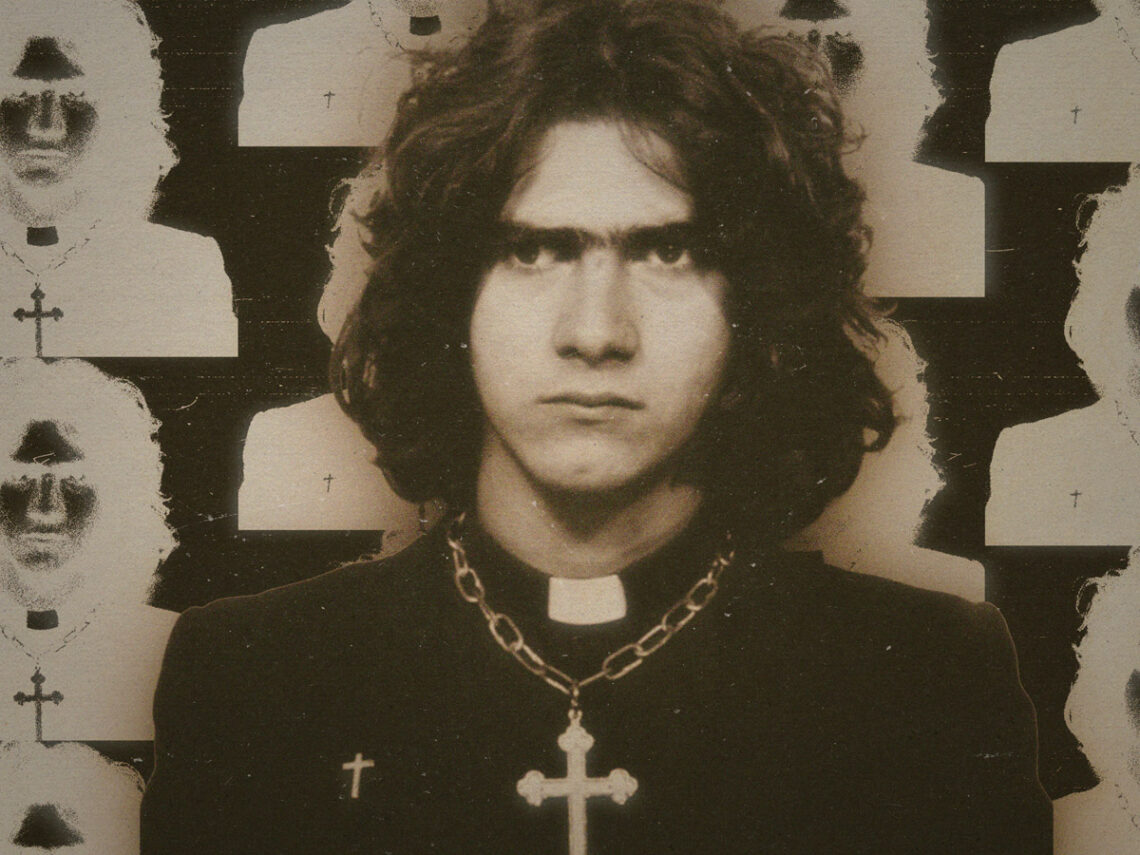
Paul Chain: the metalhead who made his own language
It’s never a great sign when you form a band that, whenever the name is said, has to be strenuously followed by “there’s no Nazi connections, we swear!!!”
Yet, the world was a different place in 1977. The Sex Pistols were on Bill Grundy’s show wearing swastika armbands, David Bowie was saying weird stuff about Hitler to the press, and a kid from Italy named Paolo Catena thought it was a great idea to name his first band Death SS. The idea of an Italian from the 1970s naming his band Death SS and there not being a hint of fascism to be found within is a…difficult one to believe, shall we say, but Catena has spent the next five decades showing that it is possible!
For one thing, we can see how good he is at names with the pseudonym he gave himself. Metal nicknames are dime a dozen, but Paul Chain just rips. No matter that’s the name he most often performs under these days, I’m tempted to give it to my firstborn child, let alone a rock band. Perhaps he also managed to learn pretty early what you can lose in translation, and decided that would never happen to his own lyrics, one way or another.
You see, early on in the career of Paul Chain, he decided that he’d abandon the idea of lyrics altogether, at least in the traditional sense. He’d still serve as the singer of whatever project he was a part of, but rather than use real words, he’d just vocalise random sounds, finding whatever felt right over his absolutely killer, proto-doom metal riffage. This may sound like a gimmick on the surface, but Paul Chain has absolutely committed to this gimmick, spending the rest of his career singing like he has a mouth full of marbles.
That is said one hundred per cent as a compliment, by the way. It might not sound like it, but it is.
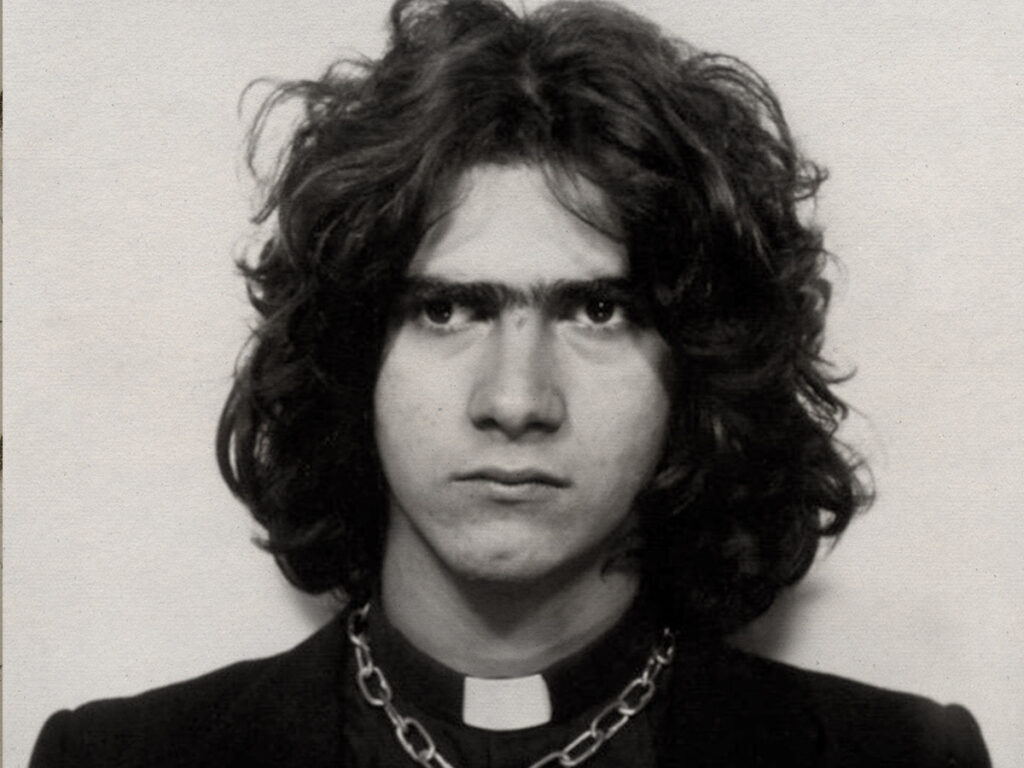
Why did Paul Chain choose to sing this way?
He’s not entirely alone in this. Famously, Icelandic post-rockers Sigur Rós also have their own made-up language that singer Jonsi Birgisson sings in from time to time. However, their lyrics are mostly in their native Icelandic, with a sprinkling of what they call Vonlenska for flavour. For Paul Chain, there’s no sprinkling of anything else. It’d all be made-up, all the time.
If you wanted to be a cynic about it, one could say that it’s just Catena being realistic about the wonderful world of alternative metal. Since when has any metal been much about the lyrics?! Just burble something about Satan, weed or both and then Bob’s your uncle. The important thing is the riff, and Catena has those in spades. Enough to spend a decades-long career dealing with them and never look back.
However, I’d like to think it’s something more wholesome than that. It’s probably not what he had in mind when he started yowling sweet nonsense over his scudding riffs, but if anyone would be aware of it by now, it’s him. Heavy metal is already a universal language. One that speaks to a much broader global audience than more traditionally accessible rock music. Why else do you think a band as parochially English as Iron Maiden can sell out any stadium in South America?
By getting rid of any language barriers to his music, Paul Chain made it genuinely accessible to all. If that’s not worth throwing up the horns about, I don’t know what is.