


Sam Cooke: The reason his mysterious 1964 murder was ruled a “justifiable homicide”
Everything about the death of Sam Cooke is horrible, and not just because one of the great soul music singers ever was taken long before his time, aged only 34.
No, the truth is that with every step you take further into the story, everything gets darker and more depraved. With conflicting stories and testimonies abound, with everyone involved having reason to lie about their motives and presence within the story. One way or another, no one comes out of this story looking good, and if the initial story has a hint of truth to it, then Cooke comes out looking worst of all. However, there is reason to believe this is far from an open and shut case.
Sam Cooke, as a pop star in the prime of his career, was a philanderer. I know, I’ll give you time to process this shocking revelation that pop singers don’t always respect the sanctity of marriage. This case does seem to be slightly more acceptable than others, as it seemed to be an arrangement he had with his wife, Barbara, who even had partners of her own while Cooke was away on tour.
It wouldn’t have come as any surprise to anyone who knew him to see Cooke cosying up with Elisa Boyer, a pretty, 22-year-old new arrival in Los Angeles, on December 10th, 1964.
But what happened next would have surprised everyone, according to Boyer. After a night spent at some Los Angeles clubs, Boyer asked to be returned home but instead, Cooke took her to the Motel Hacienda, near LAX, against her wishes. There, he tried to force himself on her. Boyer fled when she had a moment to herself, trying desperately to contact the hotel’s manager. However, she fled before they could speak properly.
Instead, the manager, Bertha Lee Franklin, emerged to investigate the commotion to find a violent Cooke, whom she shot when he tried to attack her as well.
Not only is this shockingly horrible, the kind of testimony that nukes a legacy, but it’s also not outside the realm of possibility. After all, the annals of rock history are filled with violent, predatory men who got away with horrifying crimes because they were famous pop stars. The revelation that Cooke may have been one of them would be depressing, but not shocking. The case went to trial surprisingly swiftly, and with Cooke’s legal team barely given any chance to speak, Cooke’s murder was ruled a “justifiable homicide”.
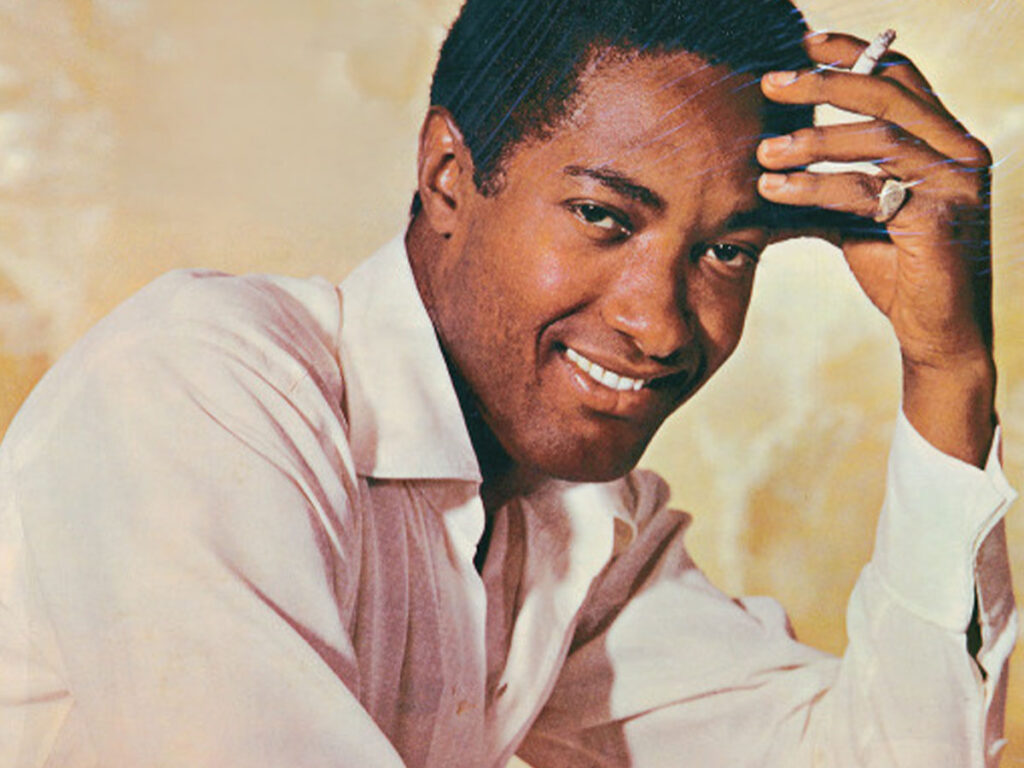
On the surface, this should be a bleak vision of justice. A vulnerable woman escaped assault, a rapist was killed and his killer didn’t do time. Except a few months later, the story took an even darker turn. Boyer’s story already had holes in it. She’d said that she and Cooke had met at a dinner party where she’d sung a song, and that he’d kidnapped her and taken her straight to the motel. This goes against the testimony of many others who had seen them at a number of clubs on the Sunset Strip beforehand.
Another version of the story came out a month after the trial. Boyer, who’d described herself throughout the trial as an aspiring actress and singer, was arrested for prostitution. Suddenly, a lot of things click into place. The Motel Hacienda was a hotspot for sex workers. Franklin herself had spent many years working as a madam. This also highlights some strange parts of Boyer’s testimony, like the fact that Cooke left her alone in his car to sign in on both their behalf, then proceeded to sign in under his own name. Not the typical behaviour of someone trying to kidnap someone to assault them.
Combine that with the fact that Cooke left her alone long enough in their motel room for her to escape with his clothes, containing his cash and credit cards, and a different story emerges. It presents the idea that this could have been a con gone horribly wrong that resulted in the death of a young Black man. Let’s not kid ourselves here; many deaths of young Black men at the time were “justified” by an allegation that they’d committed sexual assault, no matter how unlikely it might have been.
On the other hand, let’s not act like sex workers haven’t been targeted by predatory, violent men for as long as the profession has existed. Of course, Boyer would cover up the precise nature of her interaction with Cooke; she would have already been breaking the law. Her profession would have tainted her and Franklin in the eyes of a jury at the time. They had every reason to cover up that side of the story, and if Cooke did everything they said he did, people still would have blamed them for being sex workers before they’d ever blame him for being a monster.
In the end, the only thing you can say for sure is that this was a dark, dark time for everyone involved. We’ll never truly know what happened at the Motel Hacienda that night, but all we can say for sure is that calling anything about it “justified” is severely debatable.