


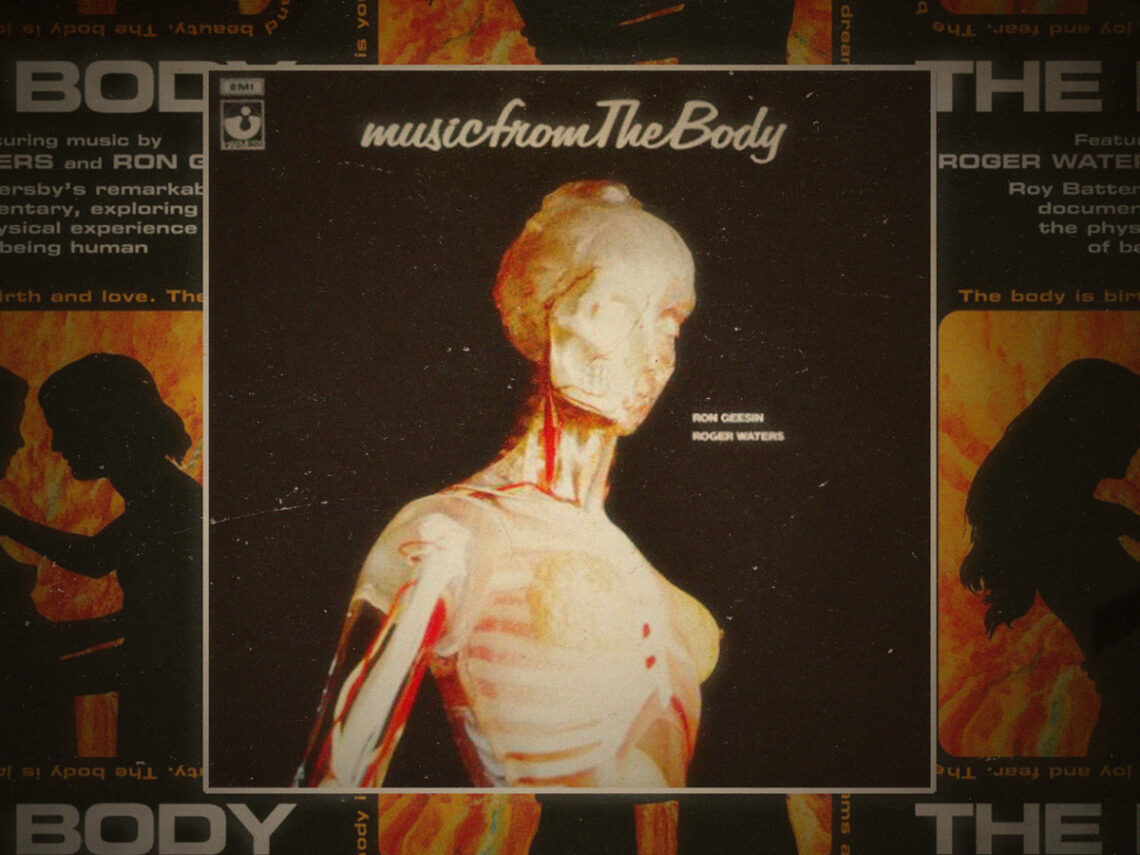
‘The Body’: The forgotten Roger Waters soundtrack with uncredited Pink Floyd performances
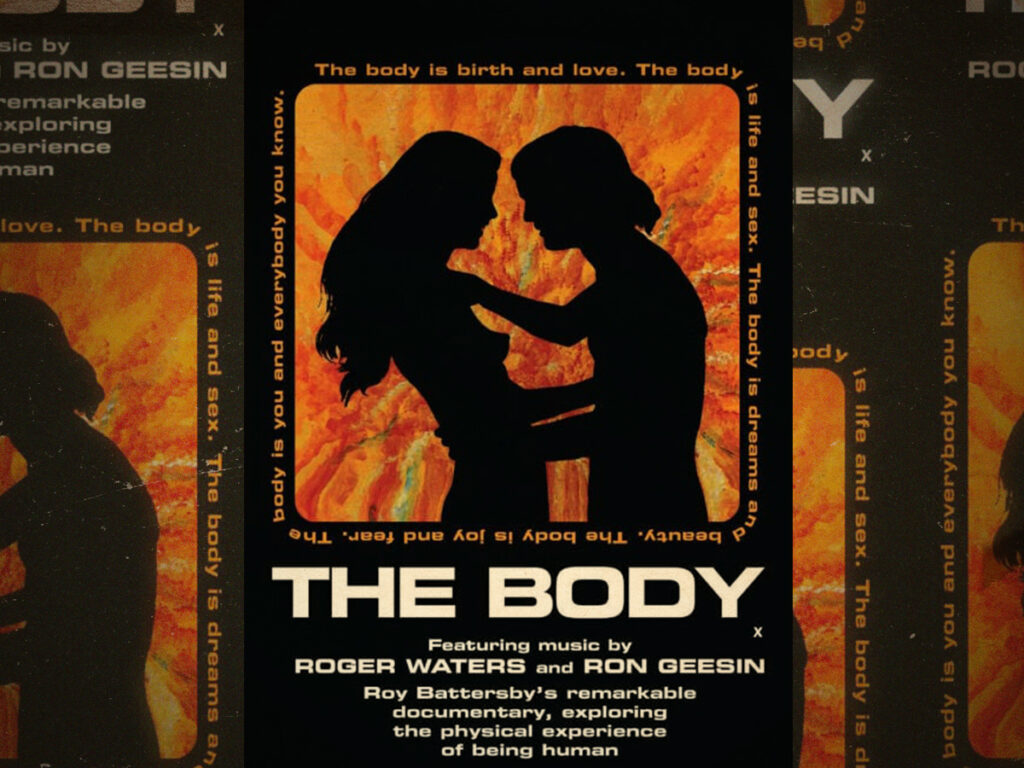
The Body is an innovative scientific 1970 documentary film that was directed and produced by Roy Battersby.
Roy Battersby, who also happens to be the stepfather of actor Kate Beckinsale, wasn’t your average BBC hand. Before this project, he crafted hard‑science pieces for Tomorrow’s World and Towards Tomorrow. He later drifted into crime drama, directing for heavyweight series like Inspector Morse, A Touch of Frost, and Cracker.
Famously, his Trotskyist ties got him blacklisted by the BBC for a spell, which is the kind of thing that only makes your story more intriguing in hindsight.
A bold experiment, The Body uses both external and internal cameras to take you on a full‑on visual tour of human anatomy—from the ordinary to the utterly bizarre. With narration by Frank Finlay and Vanessa Redgrave, it’s framed as science, but it doesn’t skimp on awe or, shall we say, the gross‑out factor. A documentary that feels like a fascinating biology lesson and a minor freak‑show all rolled into one.
The film’s soundtrack, composed by quirky Scotsman Ron Geesin and Pink Floyd’s Roger Waters, was later released as Music from the Body. Some of Geesin and Waters’ songs made use of the human body as a sort of musical instrument. Pink Floyd were always big on using the heartbeat, but Music from the Body even used farts. One of the songs is called ‘More Than Seven Dwarfs In Penis Land’.
The soundtrack is gloriously odd. Picture a score that uses actual body noises – breaths, slaps, farts, whispers – as instruments, alongside more traditional accompaniments. That’s true avant‑garde folk‑biomusic, right there. The track titles alone, ‘Dance of the Red Corpuscles’, ‘Piddle in Perspex’, tell you this isn’t your typical soundtrack.
“It was an attempt to put a deeply socio-human documentary about the human body into cinemas, using some then-pioneering micro-camera work: coursing along the various tubes and all that,” Geesin added.
“The subsequent album for EMI consisted of most of that soundtrack, in its many parts: mine as originally recorded, Roger’s re-recorded, supplemented by two original tracks, little to do with the film and all to do with Roger and me having fun, ‘Our Song’ and ‘Body Transport’.”
“The soundtrack did what all film soundtracks are supposed to do: duet with the visual content, for, against, unison, comment”.
Ron Geesin
In Battersby’s film, internal cameras are used to show different parts of the human anatomy in action. Far from feeling clinical, the film embraces visuals that oscillate between clinical fascination and surreal theatre. Battersby uses montage in ways that pulse with life, though at times the commentary wanders into the whimsical. That said, there’s a moment of purity when it just sticks with straightforward anatomy—like the birth scene or that warehouse sequence about how much we eat in a lifetime. It lands somewhere serious and oddly moving.
The opening credits, backed by ‘Sea Shell and Stone/Breathe in the Air’, are hypnotic. If you’re a weirdo and for some reason squeamish about a mother’s breast appearing in a science doc, consider yourself politely warned (and maybe looking in the wrong place, you bit of a luddite). The music and shot linger in the memory, and you kinda can’t unsee it…or unhear it.
All told, The Body is an unapologetically bold slice of scientific cinema. It pushes boundaries not just visually, but conceptually, with a soundtrack that’s more art-experiment than background music. Pairing Battersby’s internal-camera eye with Geesin and Waters’ quirky score gives you something that sits strangely – yet fascinatingly – in the overlap between education and performance art.
In a way, The Body is the sort of film you share with your mates just for the sheer oddness of it and then keep coming back to, because there’s a weird beauty in its frank, fearless exploration of our flesh. It’s as if a scientific treatise collided head-on with psychedelic theatre, and somehow you come away with a deeper appreciation for both the mechanics and the mystery of being alive.
The song below, ‘Give Birth to a Smile’, features an uncredited appearance by all four members of Pink Floyd along with Ron Geesin – who would score the group’s Atom Heart Mother – playing piano. More breastfeeding.