


The KLF: how to burn a million for the sake of art
Looking back at the KLF and the music industry of the 1990s as a whole can feel like reading about the Roaring Twenties.
You almost pity the witless fucks swanning about with a seemingly limitless amount of money, blissfully unaware of how everything’s going to come crashing down around them sooner rather than later. Then, you remember just how much money they had without really earning it and go, “Nah, they deserve it.” It’s not quite that black and white when it comes to the music industry, but in some cases, like that of the KLF’s most notorious stunt, it really does take the piss.
For a certain generation of music lovers, 1991 is the year that music peaked. Nirvana released Nevermind. Pearl Jam released Ten. U2 released Achtung Baby. It’s the year of Use Your Illusion, Blood Sugar Sex Magik, The Black Album and all these records sold an absurd amount, turning young kids into millionaires overnight.
Rock was at its commercial high peak. However, the truth is that was only because it was an absolutely dire year for the pop charts. The biggest single that year was the interminable ‘Everything I Do, I Do it for You’ by Bryan Adams, so it makes sense that the artist with the biggest-selling singles that year was the English house pranksters the KLF.
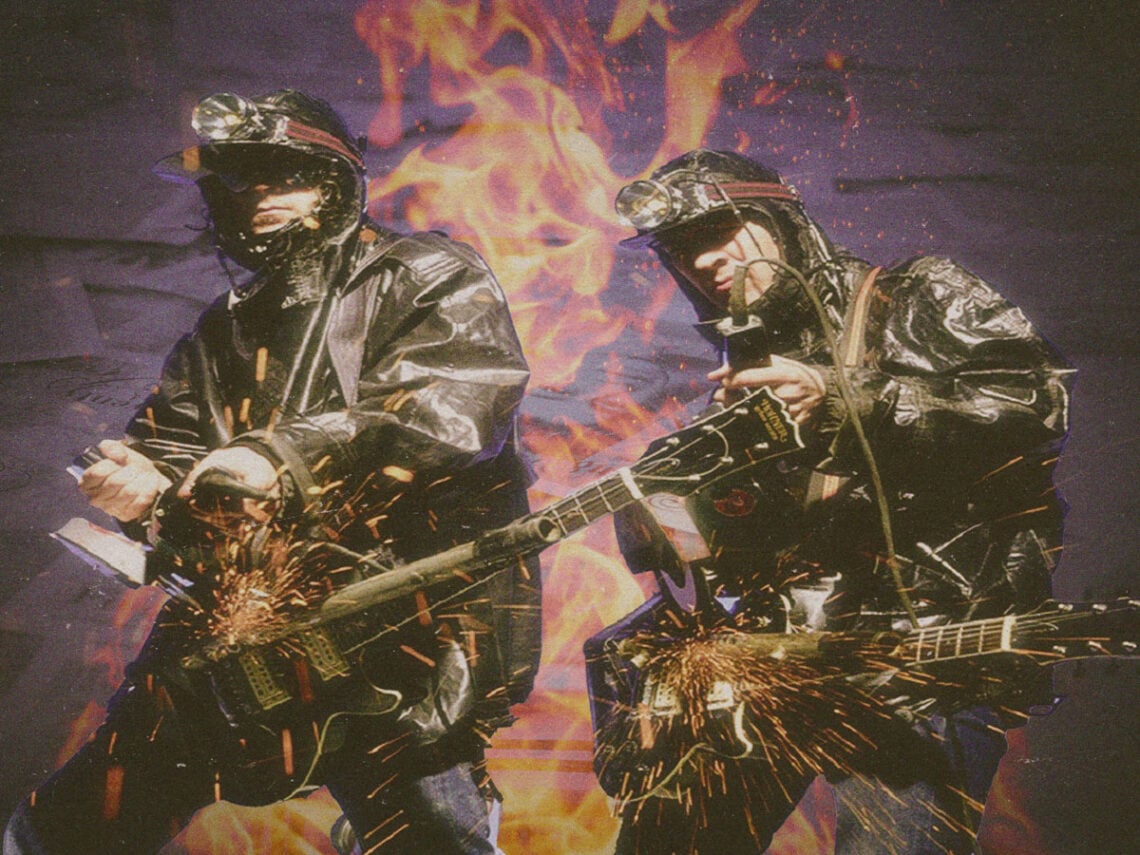
However, this commercial supremacy wasn’t enough for the band. You see, Bill Drummond and Jimmy Cauty weren’t just a band; they were an art collective. They believed in themselves as artists so much that in 1992, they “retired” from the music industry with a blistering, Extreme Noise Terror-assisted performance at the Brit Awards and rebranded as the art collective the K Foundation.
After a few months of planning, the profits from the last year of work as the KLF were measured at £1million, so the duo decided to base their first major artistic statement on that gigantic stack of cash.
I’d like to warn you that if you’re anything like me, the next statement will fucking infuriate you. The initial idea for the money was to spread it around up-and-coming, struggling artists in a fund managed by the K Foundation. However, in an act of monumental stupidity, they decided against this. Drummond explained, “We realised that struggling artists are meant to struggle, that’s the whole point.”
So, after a few more meetings about what they were going to do with this spare £1m burning a hole in their pocket, they realised there was only one thing they wanted to do.
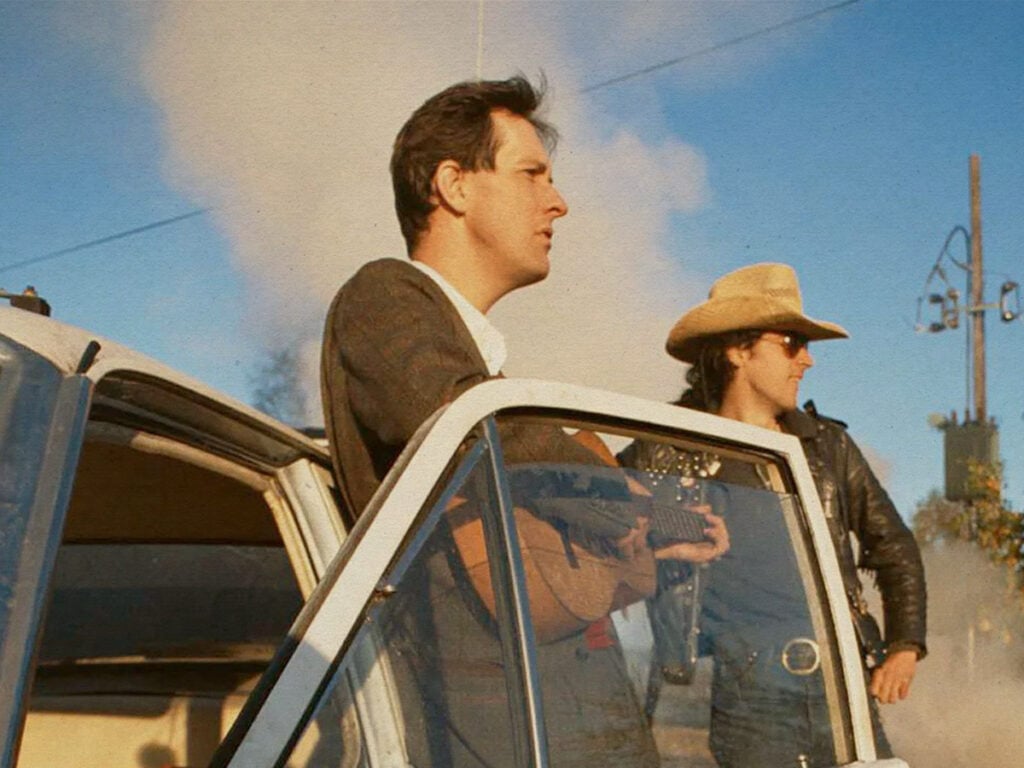
The deed was done on Jura, and island in the Inner Hebrides of Scotland. The collective placed this stack of money, that could change the lives of so many who really, really needed it, and burnt it in an abandoned boat house by the island’s coast. Or, more specifically, around 90 per cent of it was burned. The other £100,000 disappeared up the chimney. Here’s hoping someone who really needed it found some of it. A collaborator of the group, named Gimpo, filmed the act on a Super-8 camera, but, tellingly enough, Cauty ordered all copies of the film and any photographic evidence of it destroyed.
However, Gimpo must have known the value of the footage he’d taken because, secretly, he kept one copy of the footage from Cauty. Eight months after the deed was done and the K Foundation had become two of the most notorious men in Britain, he revealed this fact to Drummond and Cauty. Together, they began work on turning the experience into a documentary, one called, creatively enough, K Foundation Burn a Million Quid.
So, why did they do it? Both Drummond and Cauty seem to have a differing response every time they’re asked. Sometimes it was to protest the commercialisation of the music industry. Sometimes it was to draw a line under their time as a band. Sometimes, they’re even more honest about it and say what we’re all thinking, which was that they did it for attention and to cause a stir.
One thing’s for sure. They likely regret it now. Perhaps they agree with their collaborator Julian Cope, who labelled the whole sorry spectacle an “intellectual dry-wank stunt”. Couldn’t agree with you more, Jules.