


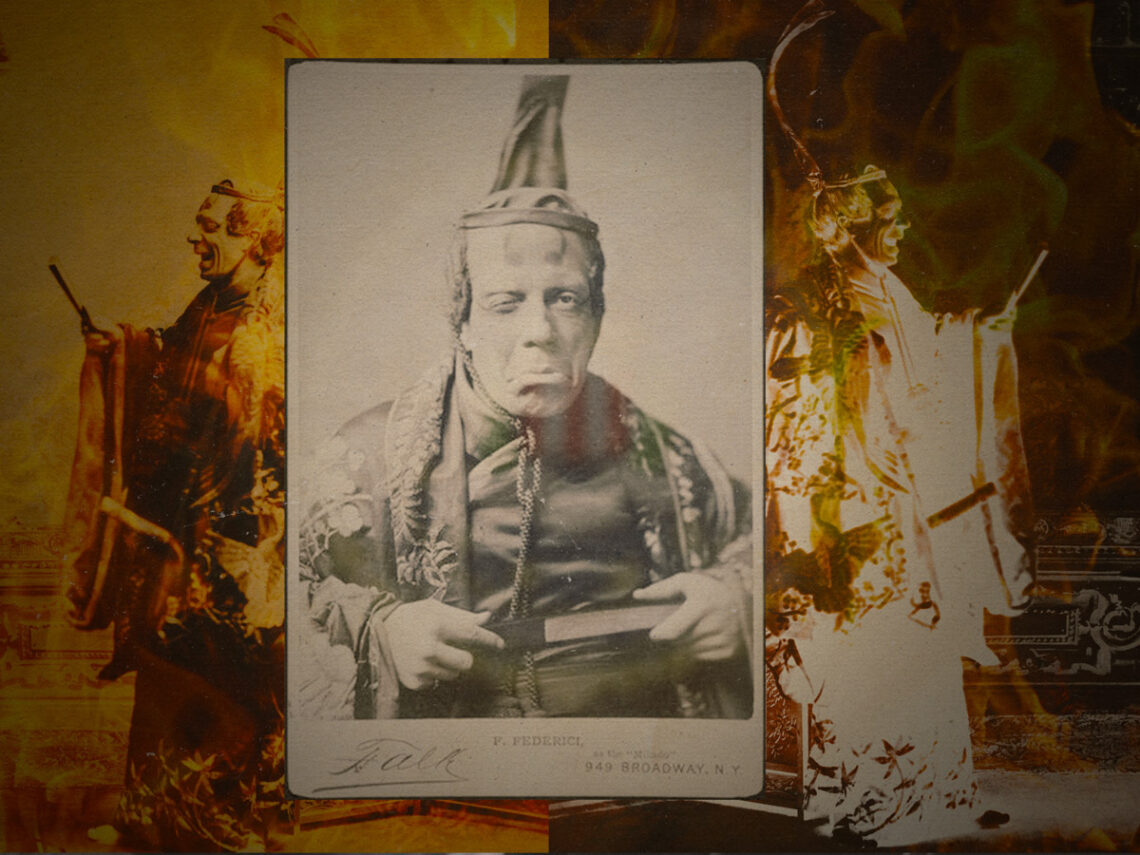
Frederick Federici: The opera star who died moments after playing the devil
Most stage performers, whether they’re in musicals, plays or opera, would tell you with no shortage of pride that they “gave their life to the stage”.
The vast majority of them wouldn’t be lying to you either, strictly speaking. It’s no small feat to dedicate your entire working life (and a large chunk of your personal life) to being a performer. To have a hope in hell of succeeding, it’s the kind of thing you’d have to start working on at a very early age. Giving your time, effort and energy to mastering your craft as quickly as possible, before hoping something about your work stands out from the hundreds of thousands of others who’ve put in just as much effort as you have.
However, there’s a subset of performers who would probably smirk at other performers who claim they have “given their life to the stage”. Who would see it as a gross overstatement compared to everything they’ve been through? Standard behaviour for an industry as famously catty as the theatre, but in this case, they may have a point. Perhaps as they look on from some other place, they might roll their eyes because in their mind, they are the only people who could possibly claim to “give their life to the stage” because they lost theirs on it.
There is a truly disturbing number of performers who have died on stage. While this may sound shocking on the surface, there is a fairly understandable reason for this. After all, performers spend a hell of a lot of time on stage. If a stage performer gets consistent work (always a massive “if”), then they may spend well over half the evening of their adult life “at work”. If that performer gets old or lives a lifestyle filled with risk, y’know, like performers often do, they are risking a very public demise.
Then there’s the case of Frederick Federici, whose story is just haunting in so many ways.
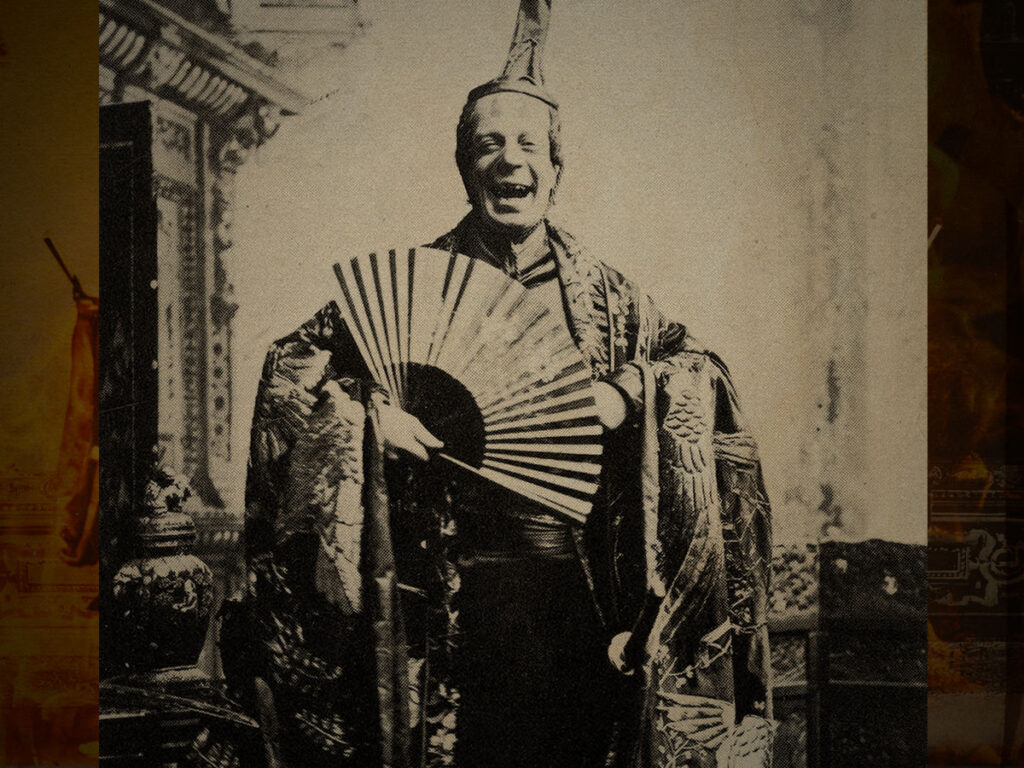
Who was Frederick Federici?
Frederick Federici was born Anatole Frederick Demidoff Baker in Florence to an English family before returning to England in his teens. By his mid-20s, he had become one of the most celebrated and respected opera singers of his age. A Bass-Baritone who had sung the lead in several shows produced all over the world, particularly in the works of Gilbert and Sullivan. HMS Pinafore, Pirates of Penzance, The Mikado, you name it, Federici hadn’t just performed in it, but probably led it to much critical acclaim.
By the late 1880s, Federici and his family barely spent a season on the same continent, let alone country. He and his family followed him from London to New York and everywhere in between, and in 1887, he took the furthest trip from home yet to spend a season performing with JC Williamson’s company in Melbourne, Australia. Absolutely no one could have guessed that this would be the final international trip that Federici would make in his life.
Nearly a year after his arrival in Melbourne, the company started performing the Charles Gounod opera Faust. For the whole run, Federici had been performing as Valentin, but due to a lead actor taking ill, he took the role of the demon Mephistopheles for one night only. According to reports from that night, Federici was spectacular. Singing the role as if he’d been training his whole life to do it, bringing the audience to their feet as he made his final departure from the stage through a trap door, as well as dragging the title character into the fires of hell at the opera’s climax.
The cast took their bows, unbeknownst to the fact that the moment the trapdoor arrived at the basement, Federici had collapsed. Minutes later, he’d died of a heart attack. He was 37 years old. Yet, for the rest of their careers, a number of his castmates on Faust swore blind that he’d lead their bows that fateful night, taking in his beloved audience one last time despite the fact that, mere moments earlier, he had well and truly given his life to the stage.