


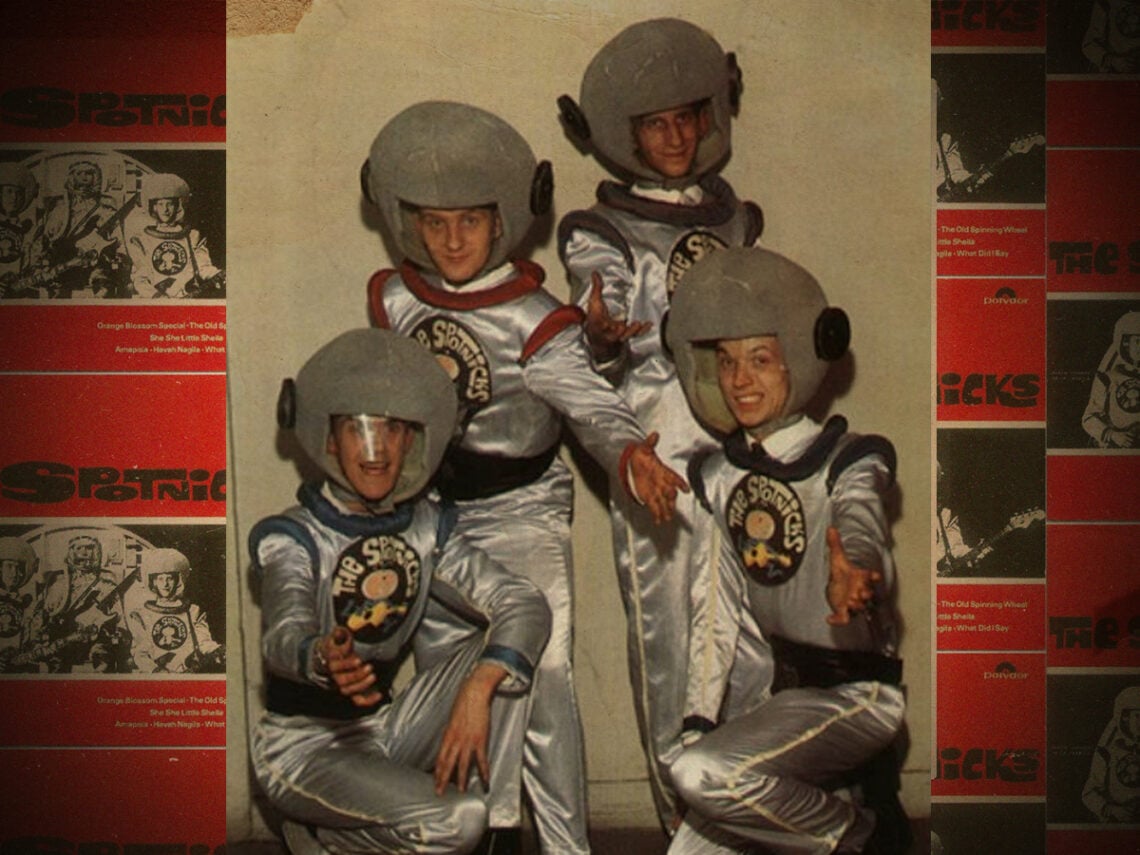
The Spotnicks: Sweden’s wonderfully weird space-suited guitar pioneers
It’s funny what people thought the future was going to look like.
Back in the early 1960s, everybody seemed convinced we’d all be living on the moon by the end of the century. Sputnik had gone up, Yuri Gagarin had become the first man in space, and every issue of Popular Mechanics promised jetpacks and flying cars.
Somewhere in Sweden, a bunch of guitar players looked around at all this futuristic excitement and came to what must have seemed a perfectly logical conclusion: if mankind was heading for the stars, somebody ought to provide the soundtrack.
Thus were born The Spotnicks.
Formed in 1961, the group built their reputation on a simple but strangely irresistible combination. They dressed in silver spacesuits, gave themselves vaguely cosmic names and played instrumental rock that owed an obvious debt to The Shadows and The Ventures. Which, on paper, sounds like one of those ideas that should’ve lasted about five minutes. Instead, it made them one of Sweden’s most successful musical exports, with more than 18 million records sold and dozens upon dozens of albums released over the years.
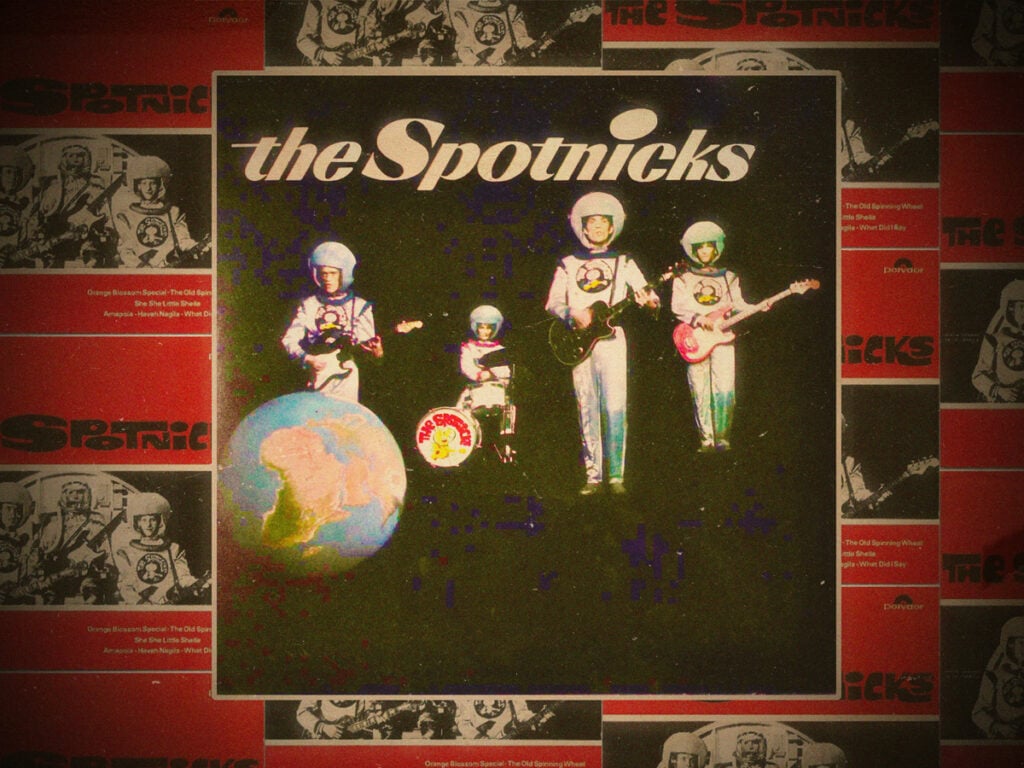
The thing I love about The Spotnicks is that there doesn’t seem to have been a cynical bone in their bodies. Nobody was trying to reinvent popular music or write manifestos. They were just really good musicians with a taste for echo and a healthy appreciation of gimmickry. And let’s face it, rock and roll has always loved a gimmick. Without them we’d have no Kiss, no Residents, no Devo, no Kraftwerk mannequins and certainly no Daft Punk robot helmets.
Besides, the spacesuits looked cool.
At the centre of the group was the brilliant Bo Winberg, whose guitar playing gave The Spotnicks much of their identity. Alongside vocalist and guitarist Bo Starander, later known as Bob Lander, and a rotating cast of musicians, Winberg developed a sound that sat somewhere between Nashville, London and outer space. There was plenty of Duane Eddy in there, a touch of Hank Marvin and even something of Joe Meek’s fascination with the future. Listening to those records now, you can almost picture them soundtracking some forgotten black-and-white science-fiction serial where everybody wears silver jumpsuits and communicates through blinking lights.
What makes The Spotnicks especially endearing, though, is the material they chose. Folk songs, standards, cowboy tunes, and old chestnuts that had already been around for decades. Somehow these Swedes managed to turn melodies like ‘My Bonnie’ and ‘Hava Nagila’ into something that sounded as though it had just been beamed down from a satellite. Which is ridiculous, of course.
But gloriously ridiculous.
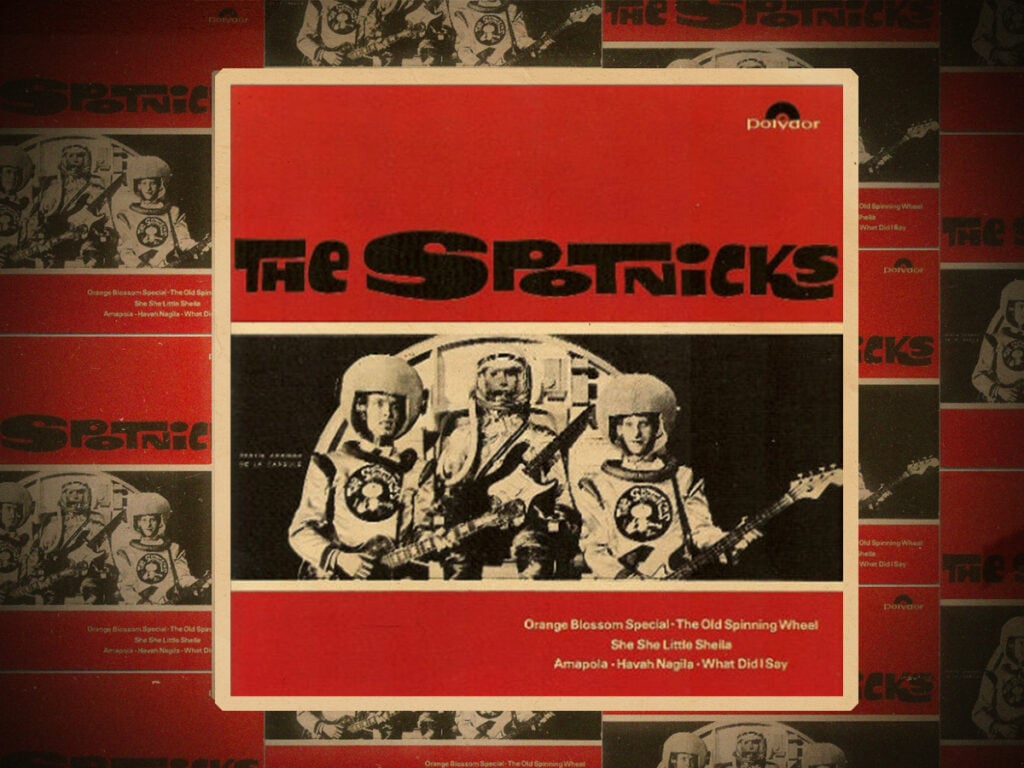
Japan fell in love with them. Australia fell in love with them. Germany couldn’t get enough. They became one of those strange international phenomena that somehow never quite conquered America in the same way, despite sounding like cousins of The Ventures. Maybe the spacesuits were too much. Or maybe Americans simply preferred their guitar heroes earthbound.
By the late ’60s, psychedelia had changed everything. Suddenly everybody wanted sitars, backwards tapes and twelve-minute jams. Instrumental groups that had once packed dance halls found themselves old-fashioned overnight. Yet The Spotnicks somehow endured. Different line-ups came and went, fashions changed and decades passed, but they just kept going.
And maybe that’s because their whole act tapped into something timeless. Not nostalgia exactly, but optimism. They represented that wonderful period when the future seemed exciting and slightly ridiculous, when people honestly believed science and technology were going to make life stranger and better and when nobody thought there was anything odd about dressing like astronauts and playing twangy electric guitars.
Looking back, it’s tempting to laugh.
Then again, maybe they understood something the rest of us forgot.
The future is supposed to be fun.