


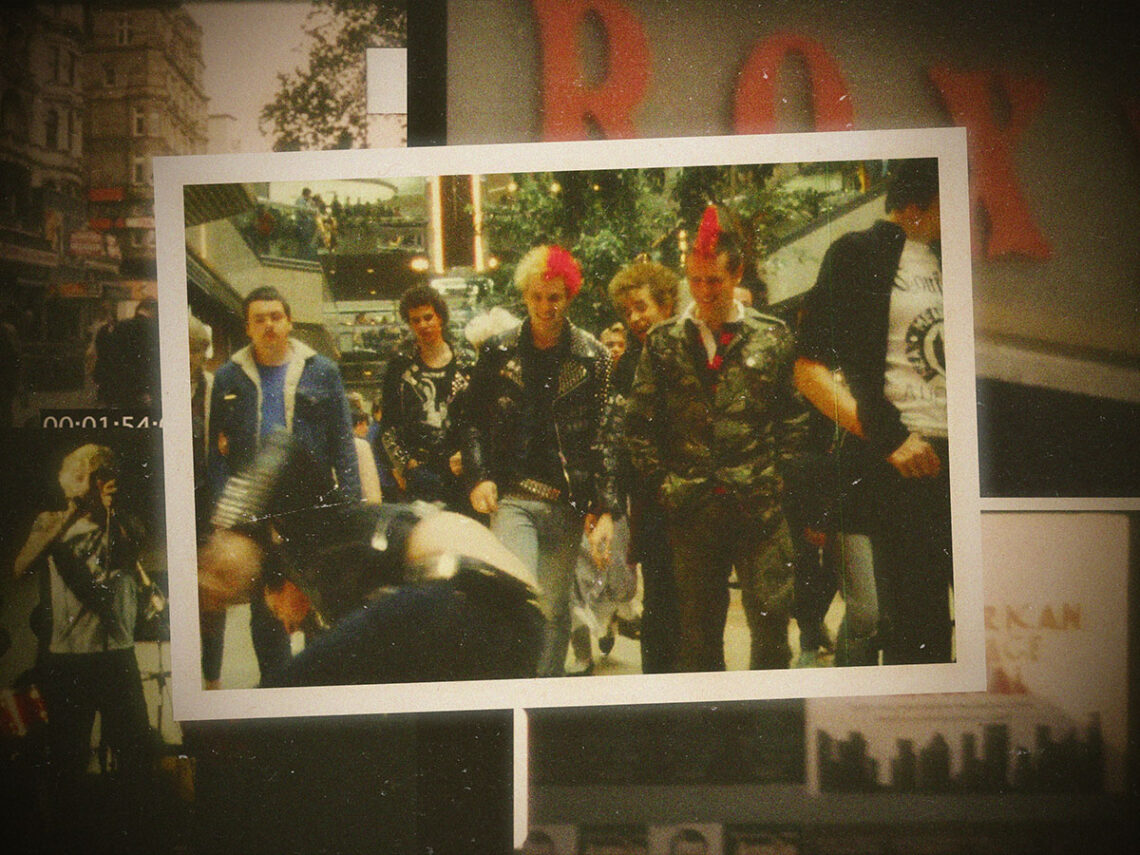
A Bomb in Wardour Street: How Soho became the sleazy heart of the London punk scene
It’s impossible to overstate how scared the average person was of punk music when it came roaring to life at the end of the 1970s.
Similarly to the attempts made to criminalise drill music over the last couple of years, but with punk, no one had ever dealt with music like it before. The masses genuinely believed the Sex Pistols, The Clash and The Damned were signs that society was broken beyond repair and about to descend into Mad Max-style rampant barbarism. Considering the court of public opinion, the average gig venue was as likely to host a punk gig as a childcare seminar hosted by Fred and Rose West.
Admittedly, the punks didn’t help their reputations a lot of the time. A punk gig that didn’t end in a venue-wide punch-up was considered by many a waste of a night out. Even the ones that didn’t descend into blood, guts and broken bones still left venue stages knee deep in phlegm and spit. Punk bands were not a welcome sight for the vast majority of venues, yet still, the scenes found a way of sprouting nonetheless.
Gigs only took place in venues that were already on the outer limits of polite society. In fact, they could handle groups of rowdy, belligerent drunks better than the cops. These lead to punk scenes appearing out of the most hardened pubs and the most derelict of squats, all except for London. Where a scene sprouted right in the middle of the city, literally down the road from the highest offices of power in the land.
That’s right, the nerve centre of British punk rock was arguably Soho.
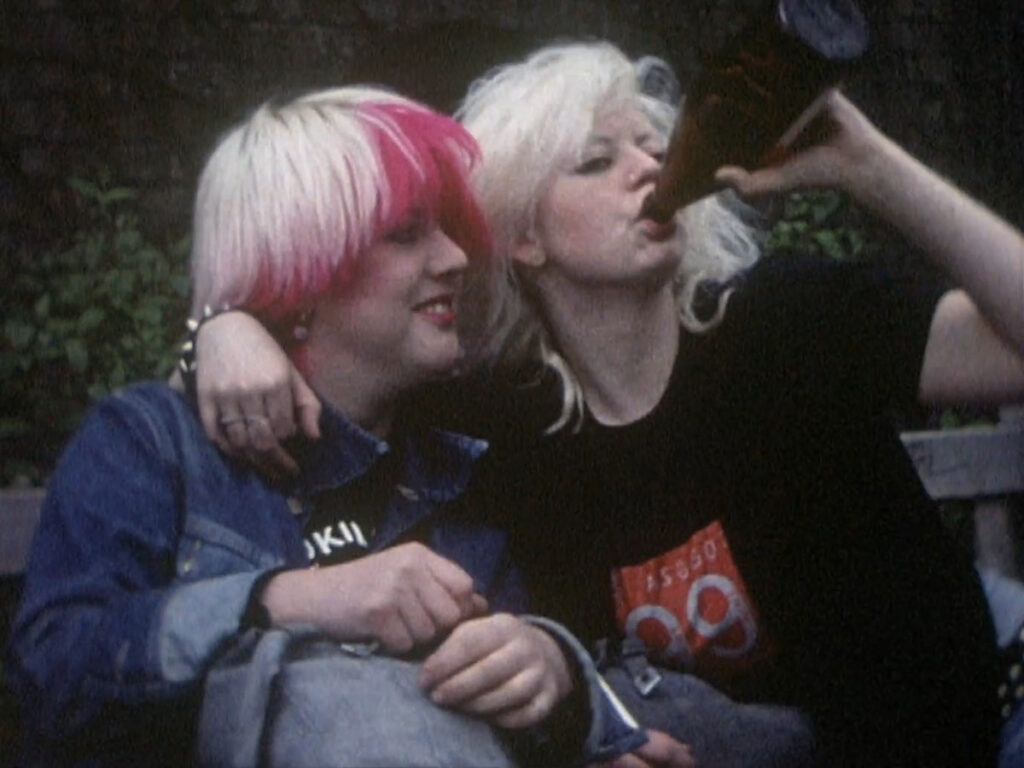
How did Soho become the heart of the London punk scene?
Those familiar with the district today would be justifiably confused. It’s still got a sheen of alternative credibility thanks to the sex shops, gay bars and independent shops that line its streets. However, let’s not act like a fistful of West End theatres don’t call Soho home. Let’s not act like its not a terminally basic party destination. Let’s not act like flats there don’t cost the GDP of a small country.
Back in the 1970s, Soho was genuinely dangerous. A number of areas in the centre of London were, but Soho was among the roughest. As a result, police activity was kept to a minimum. After all, if you started policing Soho, you’d never stop. Also, the bad things were happening to sex workers, queer folks and people of colour, which, no matter you are in the world, hasn’t always been a priority for the authorities.
This made Soho a haven for alternative culture of all kinds from the 1950s onwards. The venues were cheap to hire as the club above it was most likely a strip club, and the basement below it was most likely a drug den. They were lucky to get anyone through its doors, so you could get away with pretty much anything. A bit of gobbing and a broken nose was a quiet night all things considered. It also helped that the rock ‘n’ roll club scene of the 1960s had given way to the pub rock scene of the early 1970s.
What were the most popular clubs in Soho?
This was where all the hard-edged, back-to-basics rock bands that had no interest in playing prog or hard rock would perform. This was when two Soho clubs began to stand out as mainstays of the pub rock circuit: The Vortex on Wardour Street, which really was downstairs from a strip club, and The Roxy on Neal Street. They weren’t alone there. The iconic Marquee Club was on Wardour Street, as well and the punk rock hotspot of the 100 Club on nearby Oxford Street.
However, both of them made their names during the previous decade. The Vortex and The Roxy were clubs with their roots firmly in punk. The former sometimes attracted 1500 punks to a venue with the listed capacity of 600, and The Roxy was so rowdy that it was actually shut down in earnest in 1978. They weren’t punk clubs because The Pistols once drank there in 1978; every iteration of punk played there. From traditional Spirit of ’77 bands like The Damned, to post-punk forbears like The Jam, to the more genuinely radical likes of X-Ray Spex, The Slits and Siouxsie and the Banshees.
Today, there are blue plaques marking out their location in the sanitised, upmarket version of Soho that stands today. I’m sure the true punks that made up the clientele of their gigs would be disgusted at the idea of being remembered fondly, Punk was as much about “No Past” as “No Future”, but I think it’s a good sign. One that shows that the most incredible things can happen in the least likely of places.
All you have to do is look hard enough to find them.