


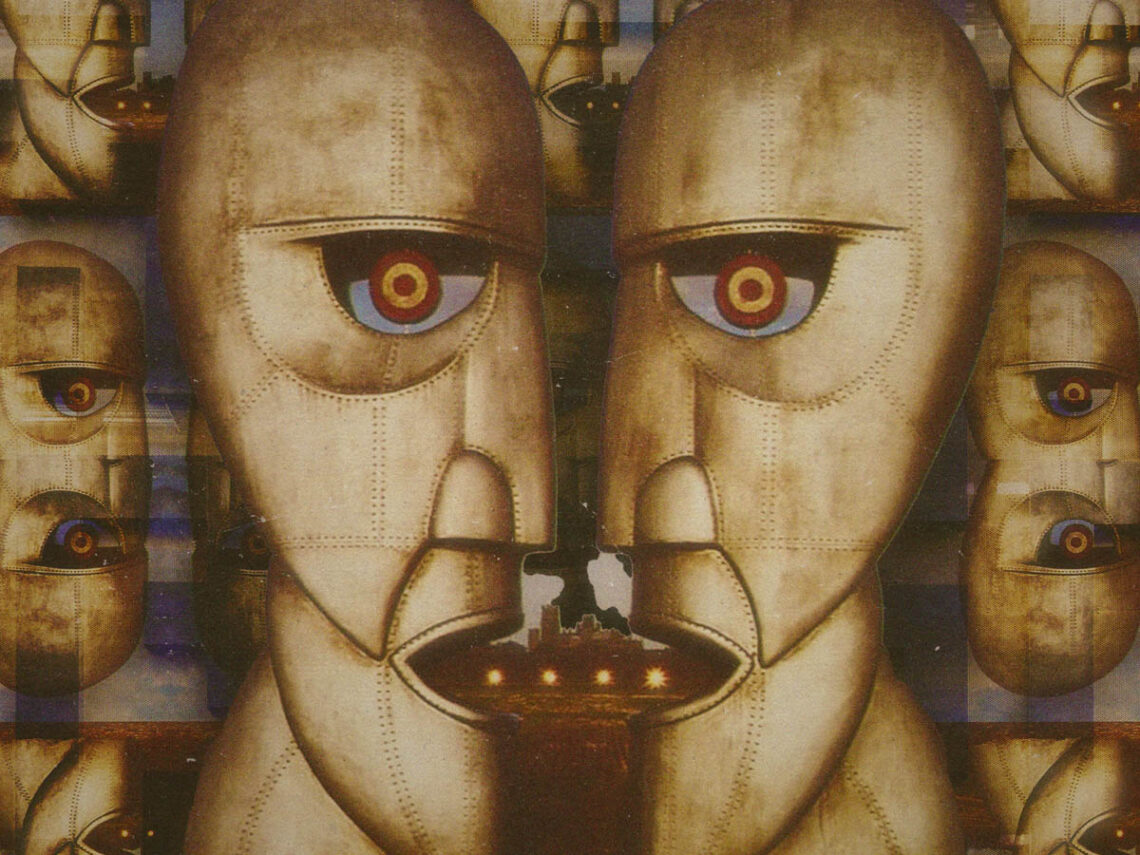
What on earth was the Pink Floyd Publius Enigma?
In many ways, Pink Floyd codified what it meant for a rock band to be genuinely progressive.
It didn’t take long for the so-called “prog” movement to disappear up its own arse in a flurry of Tory boys in capes playing 20-minute synthesiser solos. For a moment, though, there was something genuinely daring and forward-thinking about the movement, and that was mainly down to the work that Pink Floyd was doing.
At the dawn of the movement, when it went hand in hand with psychedelia, this was due to the influence of mercurial frontman Syd Barrett, yet the band kept on innovating after his departure from the band.
The band themselves might have done a coolness U-turn, going from psych-pop shaman to a stadium rock band, but tell that to the millions and millions of people who bought records like Dark Side of the Moon and The Wall. Records like that showed that one could be the biggest band in the world and still have artistic heft. The tours that went with it also showed people that you could do that and, unlike The Beatles, actually perform live to support it too.
Thus, it makes sense that as the 1990s dawned, they’d be one of the first major bands to give a promotional tactic coined in that decade a try. As part of the promotion for their 1994 record The Division Bell, a poster on Pink Floyd’s online message board named “Publius” began telling fellow Floyd fans to really scrutinise the artwork, lyrics and music of the record. The implication being that there was some sort of prize in store for people who worked out the message.
That’s right, in 1994, Pink Floyd tried their hand at the alternate reality game.
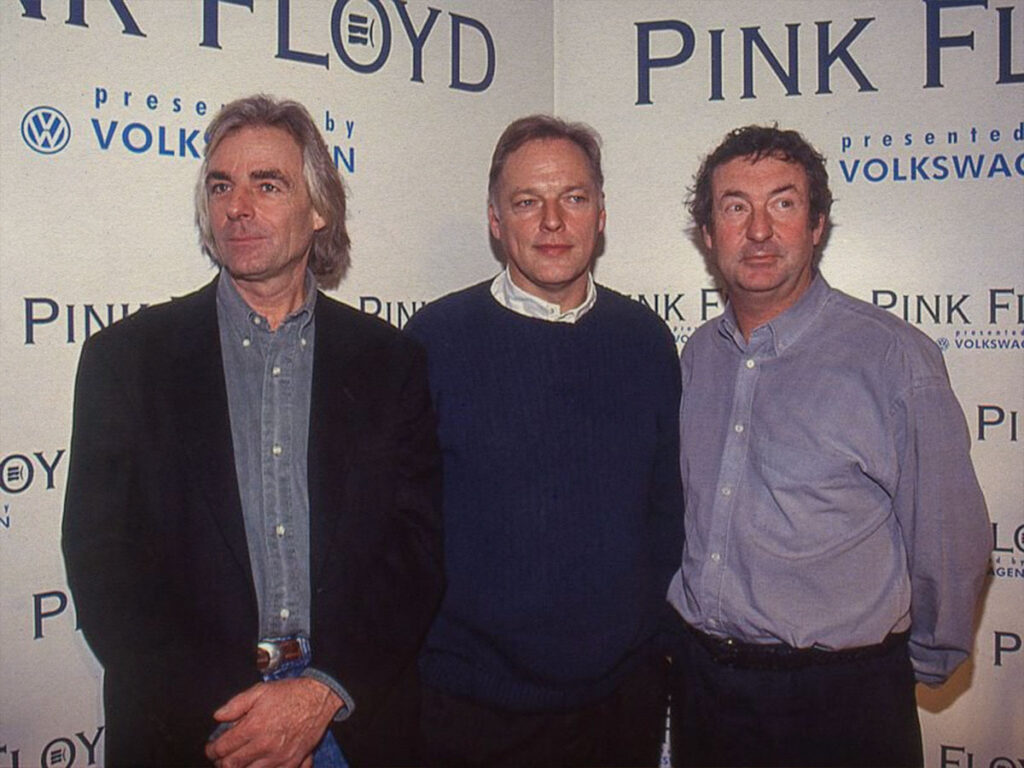
How did this Pink Floyd ARG go?
There’s reason to believe this was an official project that the band’s team put together. Publius started posting after Columbia Records sent out a press release talking of a “message” that Pink Floyd would be sending, promising that “Pink Floyd would communicate”.
What’s more, on July 16th, Publius promised that a clue to their message would appear soon in “flashing white lights”. Two nights later, Pink Floyd played a concert in East Rutherford, New Jersey, where the stage lights briefly spelt out the words “ENIGMA PUBLIUS”.
Exciting stuff, right?! So, what happened next? Nothing. Nada. Zilch.
Two years went by with no posts from Publius, then the servers for that particular Pink Floyd message board were shut down. No more Publius. The first time anyone from the actual band was asked about it was in 2002, and one can practically hear their eyes rolling in their head as they spoke about it. Guitarist David Gilmour said it was “some silly record company thing that they thought up to puzzle people with.”
Drummer Nick Mason went into more detail in his memoir Inside Out: A Personal History of Pink Floyd. He talked about a man who worked for EMI and who loved puzzles. This guy “suggested that a puzzle be created that could be followed on the Web. The prize was never given out. To this day, it remains unresolved. The prize was something like a crop of trees planted in a clear-cut area of forest or something to that effect. It was not to be a prize of some tangible thing but rather a touchy-feely sort of gift that was more of a philanthropic thing than something you could hang on the wall.
Which kind of checks out. After all, for all the ways that Pink Floyd pushed the music industry forward, it also wouldn’t be Pink Floyd without things crashing and burning.