


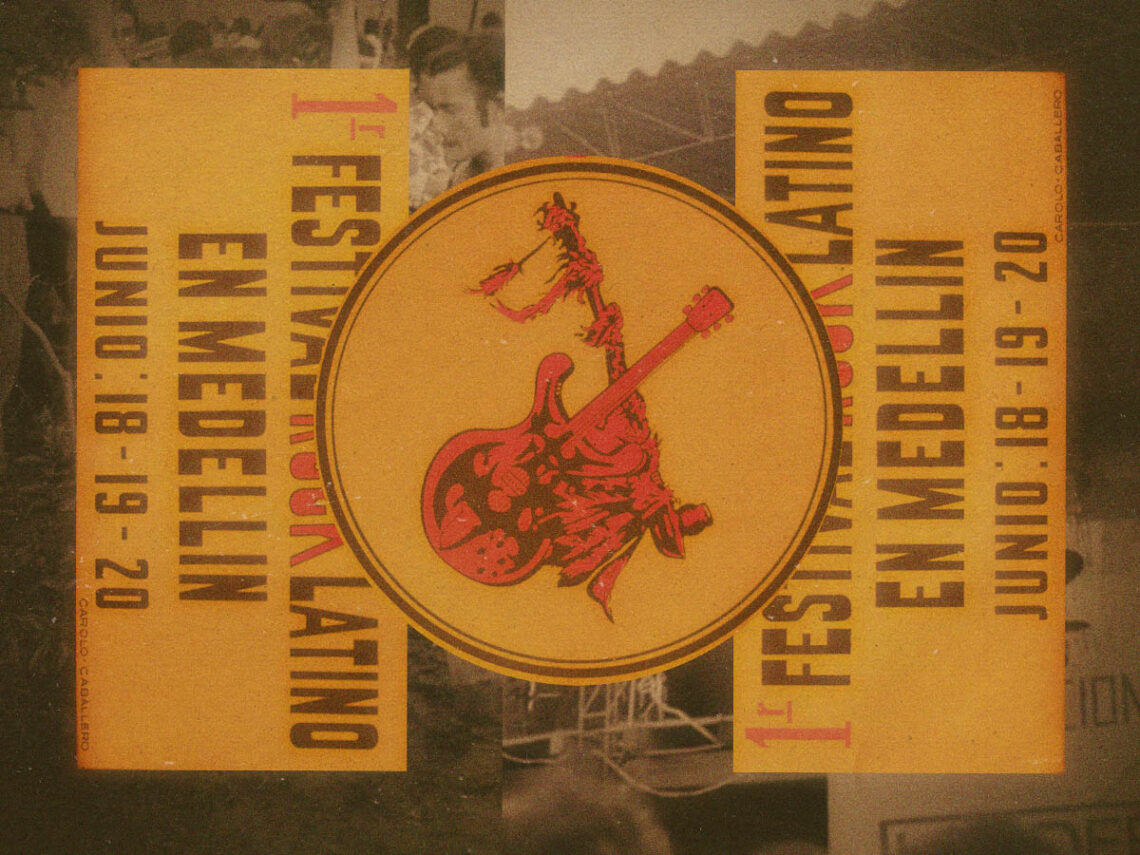
Festival De Ancon: When Colombia tried to recreate Woodstock
Considering not even Woodstock itself could replicate the success of Woodstock, it’s strange that so many people tried it.
I suppose hindsight is 20/20, and at the time, it would seem like a no-brainer. These were the innocent (sort of) days of the late 1960s, when so many facets of the popular music industry as we know it today were still in the process of being worked out.
As far as anyone could tell, all you needed to do to make Woodstock happen was get a bunch of bands together, put a big stage in the middle of a field, then watch the money roll in. Perhaps they heard some of the absurd stories coming out of Woodstock, but surely those would just… not happen again, right?
Well, they did. Basically, every time a new Woodstock was put on, something happened to remind the organisers just what a terrible idea the original Woodstock was and how much of a miracle it was that anyone remembered it fondly. The Isle of Wight Festival was a train wreck that ended with half a million hippies high on the worst acid money could buy, convinced that the ticket they paid for was meant to be free. The Rolling Stones’ personal Woodstock Altamont literally ended in a poor kid’s death. Even after 30 years of knowing exactly how hard music festivals are to put on, the Woodstock’s of the 1990s were a literal and metaphorical shit-show.
That didn’t stop people from thinking they would be the ones to get Woodstock right, however. Including in places where rock ‘n’ roll music was still in its infancy, like Colombia. There are two main stories about how the festival that brought rock music to Colombia came to be, one dripping in hippie romanticism and the other… not so much.
On the one hand, you have the story that Gonzalo Caro Carolo, a hippie leader based in Medellin, dreamed up the event while resting on a beach in San Andres while tripping on LSD. The other is that it was another icon of Colombian hippiedom, Humberto Caballero. This is because he’d, y’know, organised music festivals before.
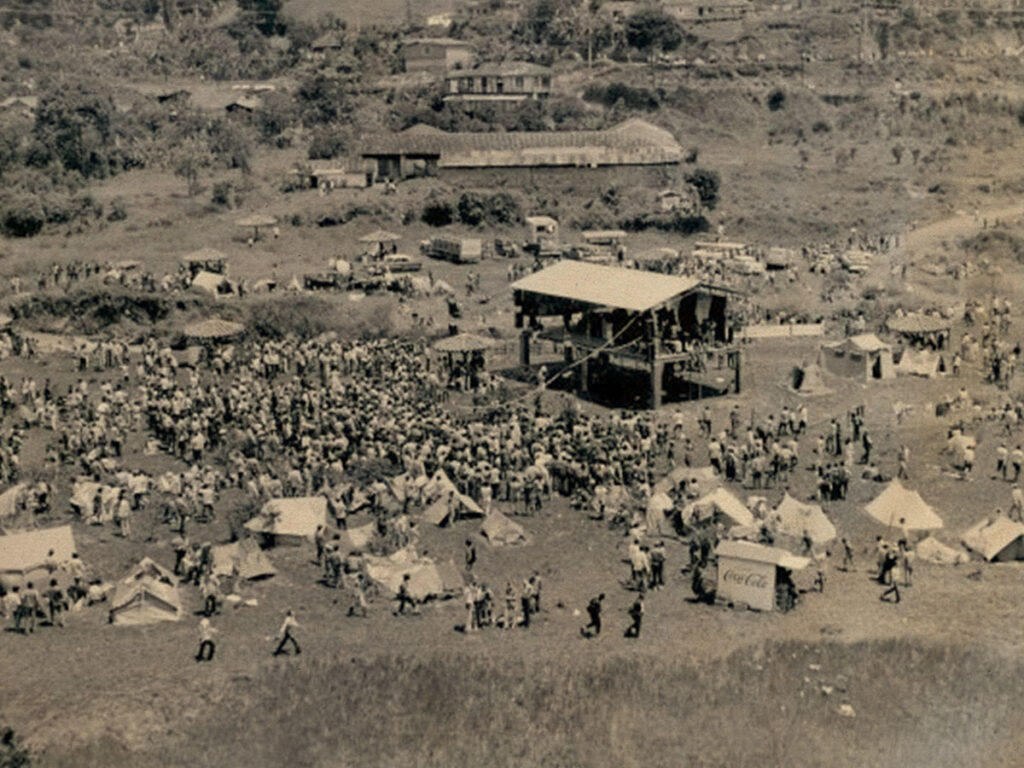
How did the Colombian Woodstock happen?
In a pretty stunning twist, the version of the story so dripping with hippie nostalgia you wouldn’t be surprised if John Lennon himself appeared to Carolo as an astral projection to help him plan the lineup is actually the one more likely to be true. The whole “it came to me when I was baked” thing is neither here nor there, but we have many firsthand accounts of Carlo coming up with the idea and spearheading the organisation efforts. Also, it was the late 1960s. He probably was baked when he thought of it, y’know?
Unlike in the United States, though, where rock music was arguably the dominant form of pop culture, especially among young people, rock music really didn’t have the same kind of foothold in Colombian pop culture. There’d been a few rock shows, but nothing resembling the infrastructure that the US and UK had. Despite this, Carolo pushed ahead, promoting the show in the newly formed hippie communities in Medellin, Bogota and Cali.
Despite pushback from conservative voices in Colombia, the show was a huge success, if anything, more so than the other attempts to replicate Woodstock by other countries. However, the backlash to the newly christened Festival De Ancon was fierce. A new wave of hippie-counter-culture sprang up in Medellin in the aftermath, which the establishment voices of the time absolutely hated.
They even tried to blame the festival on the rise of organised crime in the area in the 1970s, spreading an urban myth that still clings to the festival to this day, that Medellin native Pablo Escobar was inspired to pursue a life of crime because of the festival. I mean… If you need proof that your counter-culture project was a success, conservatives spreading lies about it is a pretty good sign.
Compare that to Woodstock, where conservatives lie about being there, and you can clearly see which has more genuine counterculture power to its name nearly 60 years after it happened.