


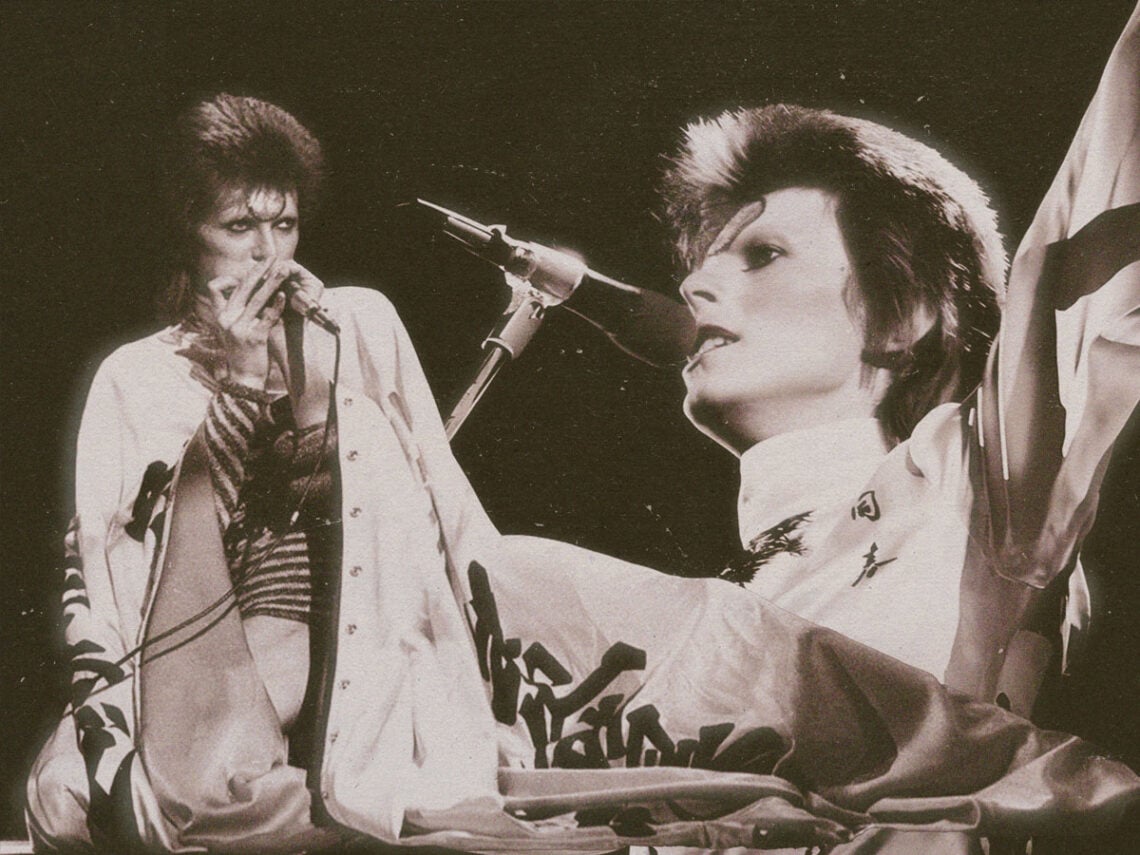
Why did David Bowie kill Ziggy Stardust?
After nearly a decade of near misses, David Bowie had everything he worked for at the tip of his fingers, and he was about to throw it all away on July 3rd, 1973.
He may have felt like an overnight success to the average person, beaming onto Top of the Pops looking like a literal alien with his arm lasciviously slung across the shoulder of Mick Ronson during their immortal performance of ‘Starman’. However, to pop fans with a long memory, they would have known that he’d been making sporadic appearances on the pop charts going back to 1967’s novelty hit ‘The Laughing Gnome’.
Each time Bowie hit the charts, though, he’d been written off as a one-hit wonder, and each follow-up had seemingly proven the doubters right.
Even when he got his finger on the cultural pulse and started making glam rock records that critics adored, like The Man Who Sold The World and Hunky Dory, the sales didn’t make for good reading at his record label.
Thus, he was given an ultimatum. Ziggy Stardust had to be a hit, or he’d be dropped. Everything he worked for, up in smoke. Heaven knows what the label must have had when Bowie returned to them with a concept album about a gay alien rock star.
To the surprise of the suits, it went better than anyone could have imagined.
In fact, their only caveat to the record was that it needed a killer single, something that Bowie pushed back against until he was forced to go back home and write something new for the record. He went and wrote the aforementioned ‘Starman’, and after that Top of the Pops performance, Bowie was finally off to the races.
This time, he didn’t just have a hit, anyone could have those; he had momentum. Both ‘Starman’ and the Ziggy Stardust album were selling all over the world. Finally, he wasn’t just some jobbing songwriter being lapped by Marc Bolan, he was David Bowie.
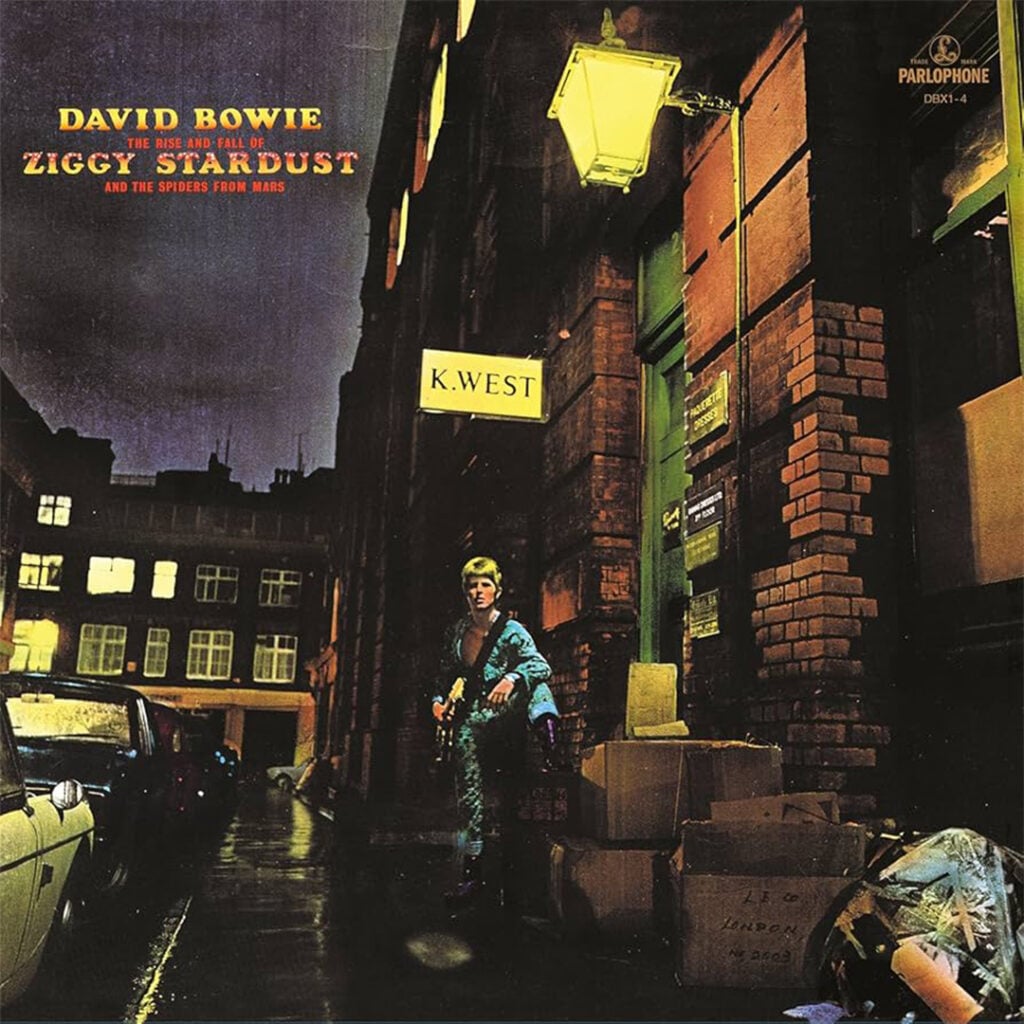
Then, on July 3rd, on the last night of the Ziggy Stardust Tour, just before closing the set with ‘Rock ‘n’ Roll Suicide’, he said that this wasn’t just the last night of the tour, but that it was “the last show that we’ll ever do”.
Fans were bawling by the end of the set, as captured on DA Pennebaker’s concert movie Ziggy Stardust and the Spiders from Mars. Their hero departed as soon as he’d arrived, or so they thought. Obviously, this wasn’t the case, but why did Bowie kill Ziggy at the height of his powers?
Because if there was one thing that Bowie’s time away from the spotlight had made him, it was savvy. He knew that while people loved Ziggy, if they got tired of him, there was nothing he could do to turn that ship around. So, he made the incredibly bold decision to take Ziggy away from the public before they were ready, make them mourn him, then present them with something new and daring in the form of 1974s abrasive, magnificent Diamond Dogs – with a brief pit-stop for the slightly regrettable covers album Pin-Ups in October 1973.
It must have sounded like career suicide at the time, but despite sounding like this major career overhaul, really, it was what Bowie had been doing for a decade. He’d gone from a music-hall indebted novelty act, to a folk-rocker, to a performance artist influenced by mime and Kabuki theatre, to finally becoming the glam-rocker the world knew and loved. Far from taking this incredible risk, Bowie instead just reverted to what he knew. Finding the next cool thing and embracing it wholeheartedly.
By killing Ziggy, he found The Thin White Duke, and in doing so, became one of the most beloved acts in the history of British pop.