


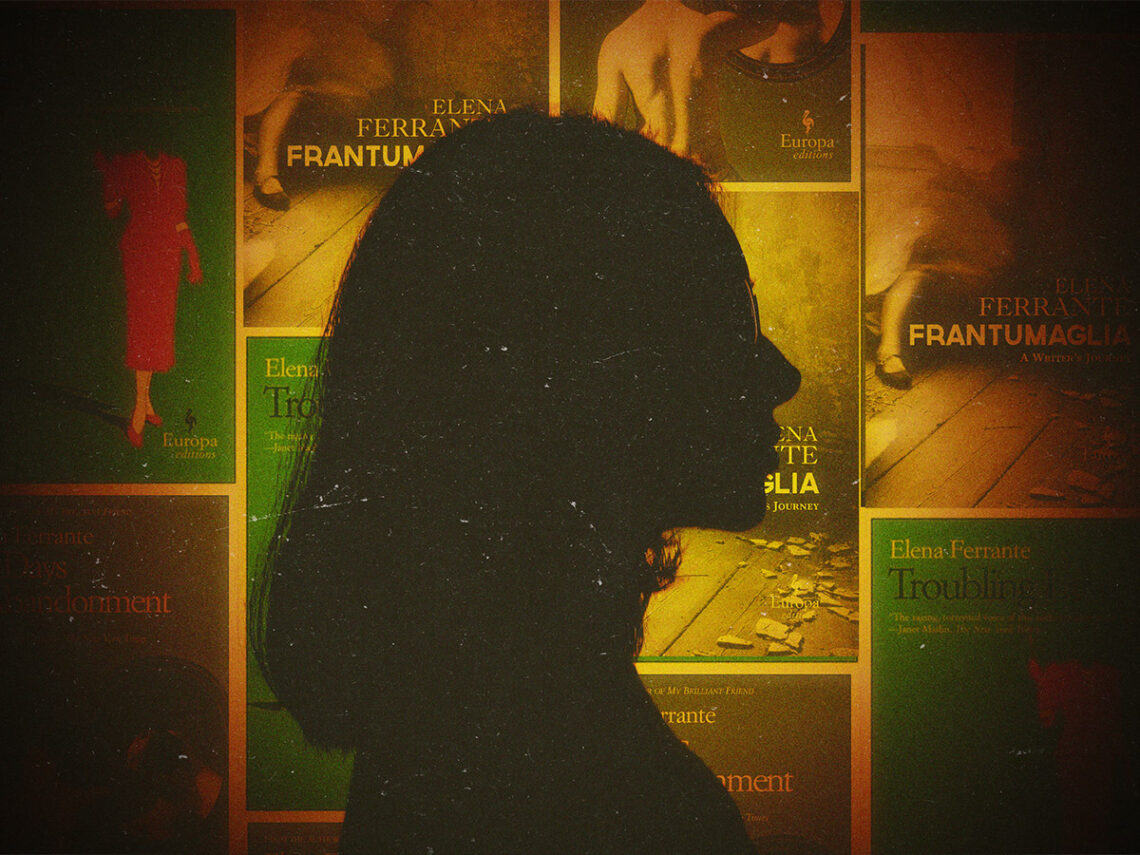
The mystery of Elena Ferrante: does the identity of the anonymous author matter?
Literature used to be one of the creative avenues where it was possible to evade the spotlight.
Many writers may have used their birth names as their pen names, but other than that, they are functionally anonymous. Cormac McCarthy, JD Salinger, Harper Lee, Emily Dickinson, hell, there are comets with more available photos than Thomas Pynchon. However, that seems to be a thing of the past. Novels don’t get published because the idea will sell books anymore; they get published because the name on the cover does.
Now, I’m not a rube. I know that’s been the case for literal centuries as well. The publishing industry is just as cut-throat and shallow as any other creative industry. However, publishing houses had to take a chance on writers without name recognition. Not necessarily because they’d create great works of art, but because they’d create books that would sell. In the case of Elena Ferrante, they made the discovery that agents and publishers daydream about, and found a writer who did both.
One can imagine them preparing for Ferrante’s time in the spotlight. Prepping a newspaper column for her, working on her interview technique, weirder authors than her have ended up on Oprah, you never know! Then, the other shoe dropped. Ferrante didn’t want to do any of that. She didn’t need to either; her books sold very healthily with a minimum of press, but imagine where she could go with a little time in the spotlight?! The literature world could have been her oyster.
Yet, we don’t even know if Elena Ferrante is her real name.
Who is Elena Ferrante?
Her career began in 1992 with the publication of L’amore molesto (translated into English as Troubling Love). Right from the off, she wanted to remain a mystery to the world despite the success her work was courting. So much so that despite the novel winning awards in her native Italy upon its release, we quite simply do not know what she got up to in the decade between L’amore molesto and its follow-up I giorni dell’abbandono (Days of Abandonment) a decade later. Other than, y’know, writing the novel.
These novels are spectacular. By times shocking, by times romantic, always thoughtful, eloquent and memorable. There’s also something to be said for how Ferrante being “anonymous” might have done just as much to promote them as if she were just another writer with a talked-about debut novel. The problem was that people viewed her novels not as pieces of art but as sets of clues as to her identity. Now, obviously, one can work out a few things about an artist via their art.
Kendrick Lamar’s music is proudly autobiographical. Salvador Dali’s life and art were shaped by the loss of his mother. Quentin Tarantino has a thing for feet, you know the drill. However, this was something very different. This was countless people buying into the pernicious, misogynist stereotype that all art created by women is always autobiographical. So, if a novel is about an Italian woman, the daughter of a murdered seamstress, who faces battles with her mental health. It stands to reason that it will be the identity of the author as well, at least, according to this stereotype.
Perhaps it was in response to that stereotype that Ferrante decided to make at least a few parts of her identity clear in her 2003 non-fiction book Frantumaglia: A Writer’s Journey. In this book, an examination of her writing process over the last two decades, a few things were cleared up. Yes, she is an Italian woman and a mother. Yes, she grew up in Naples but has since lived all over Europe. Yes, she has a career in academia outside of writing novels. No, her novels aren’t a one-to-one depiction of her family background, and no, as many of her more lunk-headed critics had speculated, she wasn’t actually a man.
As you can imagine, this hasn’t been nearly enough for people. Several people have made attempts to “expose” Ferrante and reveal her true identity. One theory in particular carries so much weight that people are fairly certain it’s true, but one wonders what you actually achieve by knowing “the real Elena Ferrante”. Think of any piece of art you love. Would your opinion on it change dramatically if you knew less about the person who created it? If so, you might want to have a think about what exactly you love so much about it.
In drawing a line between herself and the spotlight, Ferrante has made discussions of her work all about the art. Ironically enough, that might just be the greatest promotional tactic of all time!