


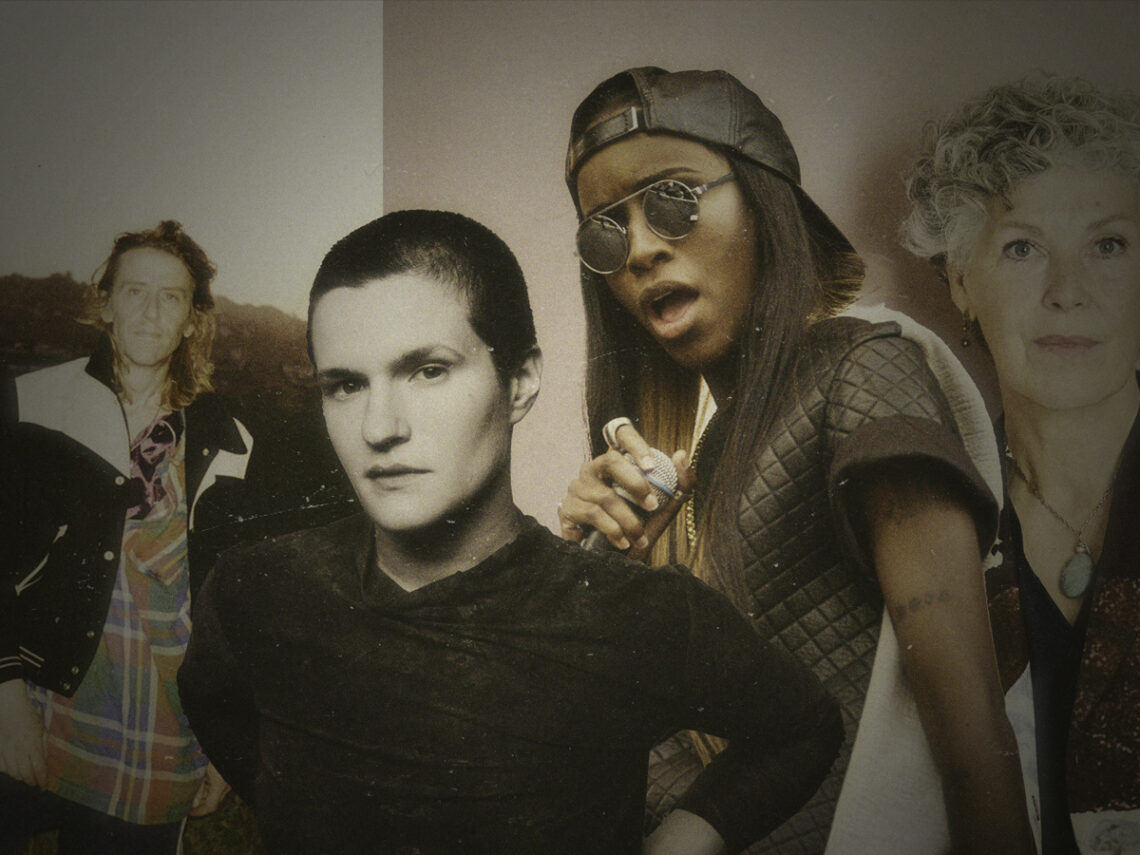
Five artists who grew up in cults
From cult success to mega stardom, life gets a whole lot weirder for most people when they get famous. Suddenly, their lives are under constant scrutiny from “their audience”, an entity that is simultaneously all-powerful yet completely unknowable.
Whose every demand is as vague as the memory of a dream, yet expected to be obeyed to the letter. Who wants complete authenticity from their heroes yet will never accept anything that doesn’t apply to their mental image of them.
Despite the madness that surrounds them, though, most famous people will be told just how lucky they are to be in their position, and just how grateful they should be for the privilege. A life of cognitive dissonance that you hate and love in equal measure.
However, some famous people are well familiar with living life this way. Some know exactly how it feels to have their life dictated by a force they simultaneously hate, fear and love in equal measure. To lead a completely separate life from everyone in the real world and think that it’s completely normal until they meet someone from outside of it. This is because there are more than a few famous people who grew up in cults.
So let’s look at five of them to see how they made the journey from a childhood of servitude to an adulthood of fame, and whether the two are all that different from each other.
Five artists who grew up in cults:
Christopher Owens
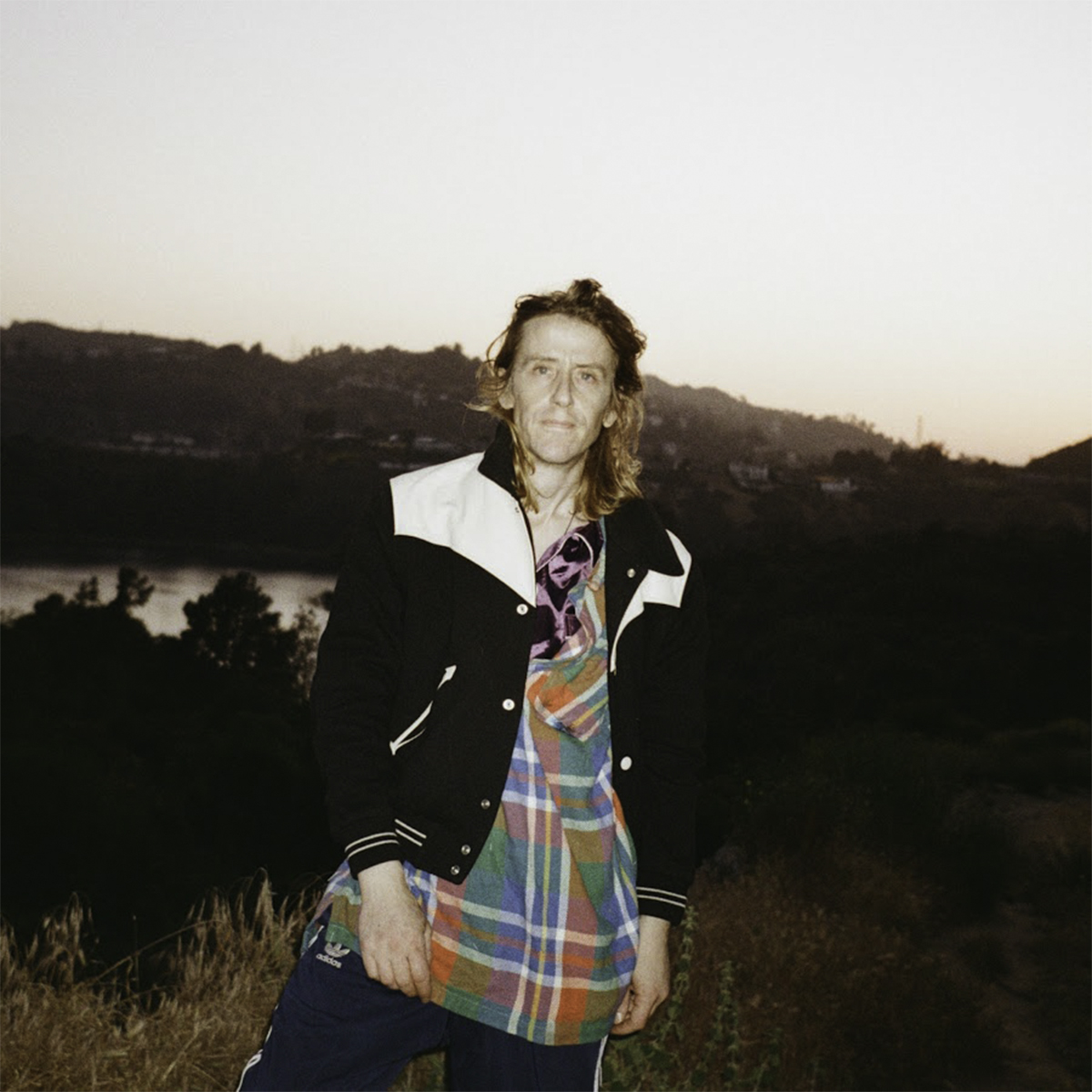
Born in Miami, Florida, the ex-frontman of Girls and now solo artist was born into the Children of God, a Christian cult that operates today under the name the Family International. Owens has kept very quiet about the specifics of his experiences in the cult, but considering that his infant brother Steven died of pneumonia due to the cult forbidding the family to seek medical assistance, one can assume that the stories only get more harrowing from there.
One of the few times that Owens did open up about his time in the cult was for FAQ Magazine, where he described their ethos as “everybody else besides us were all completely confused and bad. It was an extremely separatist group. And all literature and music and everything that we, as the children that were born and raised in the group, were exposed to was all stuff that was produced within the group. So the whole idea was to try to raise a generation of kids that were not spoiled at all by the world.”
Angel Haze

One of the most talented rappers of her generation, Roes (formerly known as Angel Haze) was a prodigy. They burst onto the scene at the age of 18 with raw, spectacular verses that spoke not just of their way of seeing the world, but of the trauma of their upbringing. Raised by their mother in Detroit, Michigan, both thought their lives had turned a corner when their mother met a preacher in the Greater Apostolic Faith. Both their lives changed after that, but not for the better.
Typically, Roes has been candid about their experiences in the Faith. Talking about how they were forbidden from socialising with anyone outside of the group, they witnessed domestic violence and manipulation from people they were told to consider moral pillars of the community. Most terrifyingly of all, they were told they would drop dead where they stood if they didn’t follow these commands to the letter. They believed it too, at least until they and their mother left the church at 15 years old.
Toni Braxton
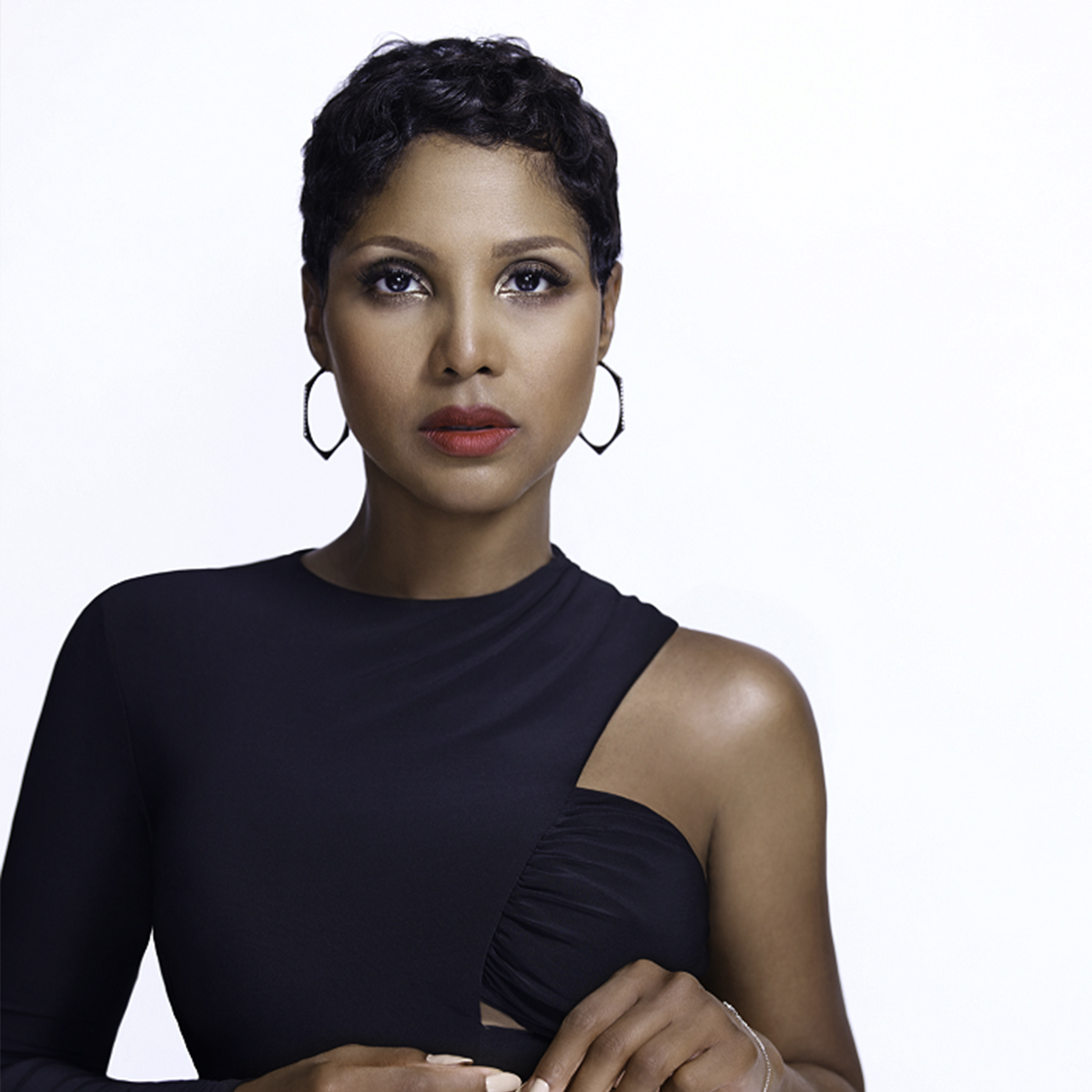
One of the biggest R&B stars of the 1990s and beyond, the music of Toni Braxton has been a byword for joy for decades. I guess it’s true what they say about the brightest light coming from the darkest of times because Braxton went through some horrible things as a child due to her family’s association with the Pillar of Truth. This was a Christian cult that Braxton wrote extensively about in her memoir Unbreak My Heart, one of the several that Braxton and her parents drifted through when she was a child.
The group made Braxton and her mother adopt a strict dress code that they forced all women to abide by, forcing them to remain covered at all times. They, like many of the cults on this list, forbade contact with anyone outside the group and would regularly force their members to “convene with God” by speaking in tongues. Something the young Braxton learned to fake pretty convincingly before leaving the group in her late teens.
Adrianne Lenker
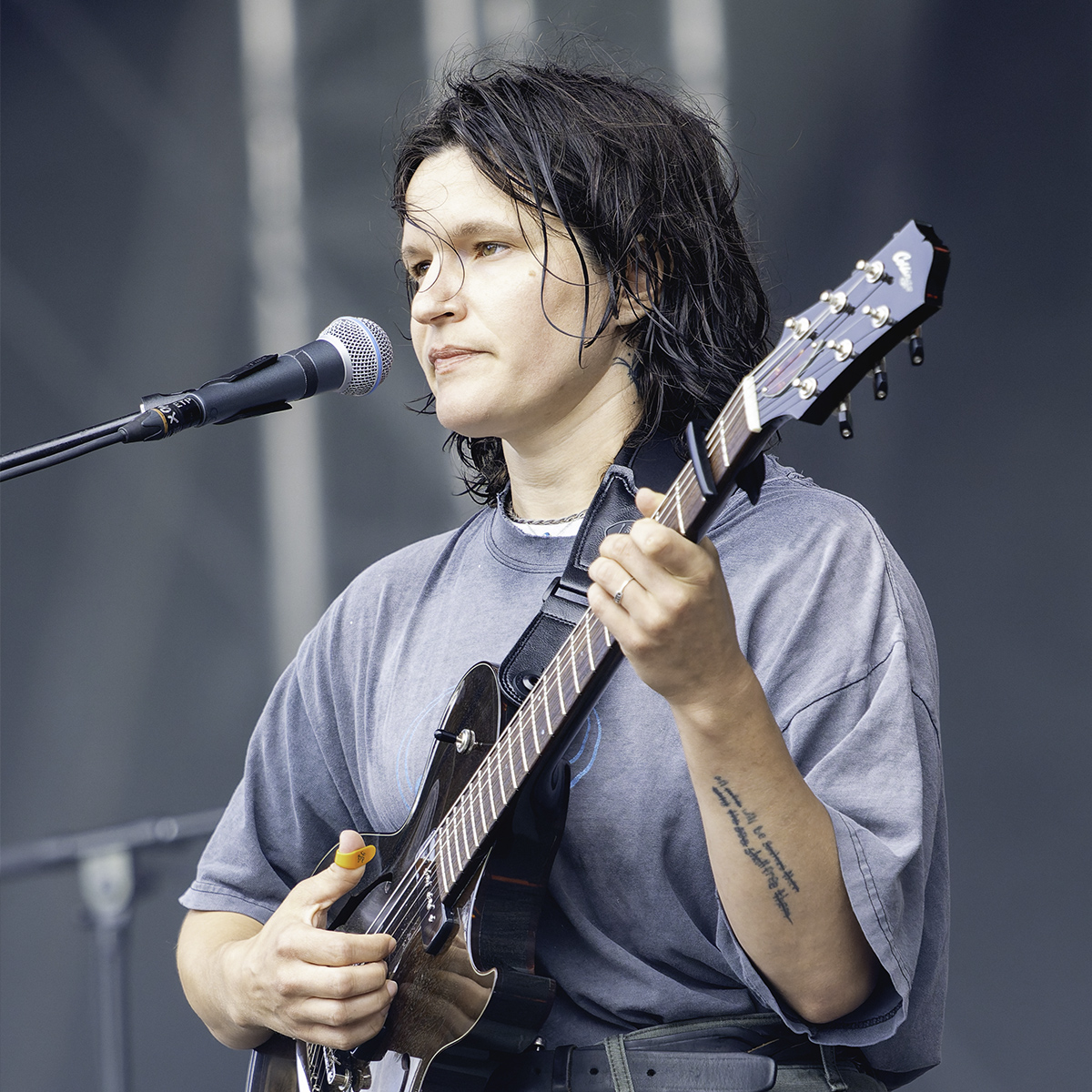
Fittingly enough for arguably the artist on this list with the biggest cult following, Big Thief singer and songwriter Adrianne Lenker had first-hand experience with the real thing from a very early age. Her parents actually met at church. They were both young and searching for meaning, so when Adrianne came along, they were searching for meaning in an Indianapolis religious cult. One that Lenker hasn’t named explicitly, but according to an interview with Pitchfork, owned an entire apartment block when she was born.
Lenker didn’t spend as much time in the group as others in this list did, thankfully. Despite her parents’ search for meaning, they also seemed to know a con when they saw one. In the same interview with Pitchfork, she said, “The church wasn’t like, ‘Hey, come join our cult’ – they just made them feel like part of a community, beckoned them in with this warmth and acceptance. Then it revealed itself for what it was, and thank God my parents were just like, ‘We’re out of here.’ I was only there until I was four, but there was a lot of residual debris – I was coming out of what felt like a cloud of judgment and control for another four years.”
Rebecca Stott
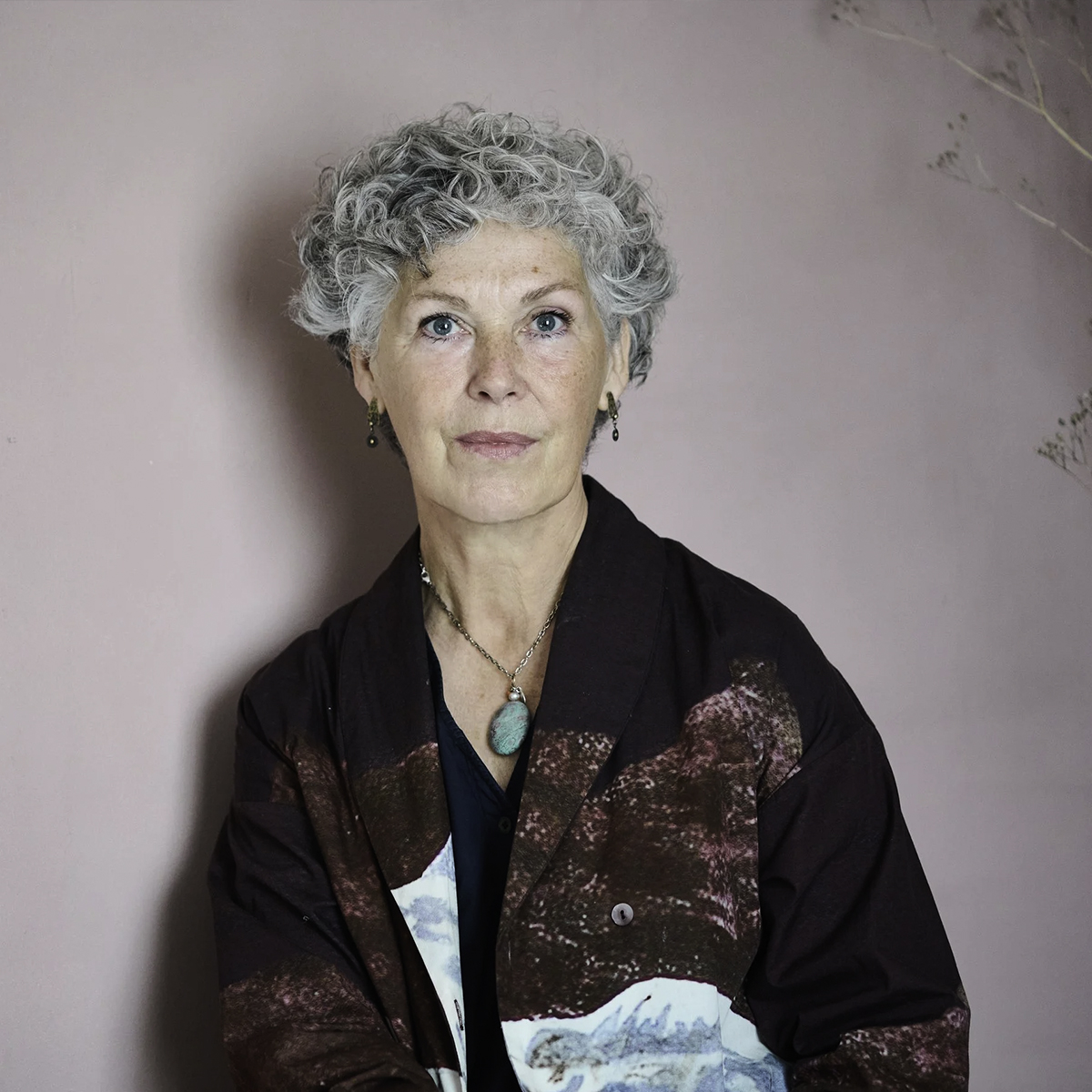
The sharp among you might have noticed that this is a very US-leaning list, but don’t worry, there are more than enough religious freaks on our side of the pond. Just ask the writer and broadcaster Rebecca Stott, who was born into the Exclusive Brethren. Despite sounding like an expensive payment tier on a Manosphere influencer’s Patreon, this is actually something (somehow) even worse than that. It’s an explicitly separatist Christian cult that believes that the world has been taken over by Satan himself.
Thus, they don’t allow any connection with anyone outside the cult. At any level. As Stott wrote in a riveting article for Elle, “They told us that non-members were being controlled by Satan via radios, newspapers, TV and pop music, all of which were banned.” It wasn’t until the Brethren leader was caught up in a sex scandal that Scott’s family left the cult in the early 1970s. However, as all these people on this list will tell you, just because they were young when they left doesn’t mean the experience didn’t leave scars.