


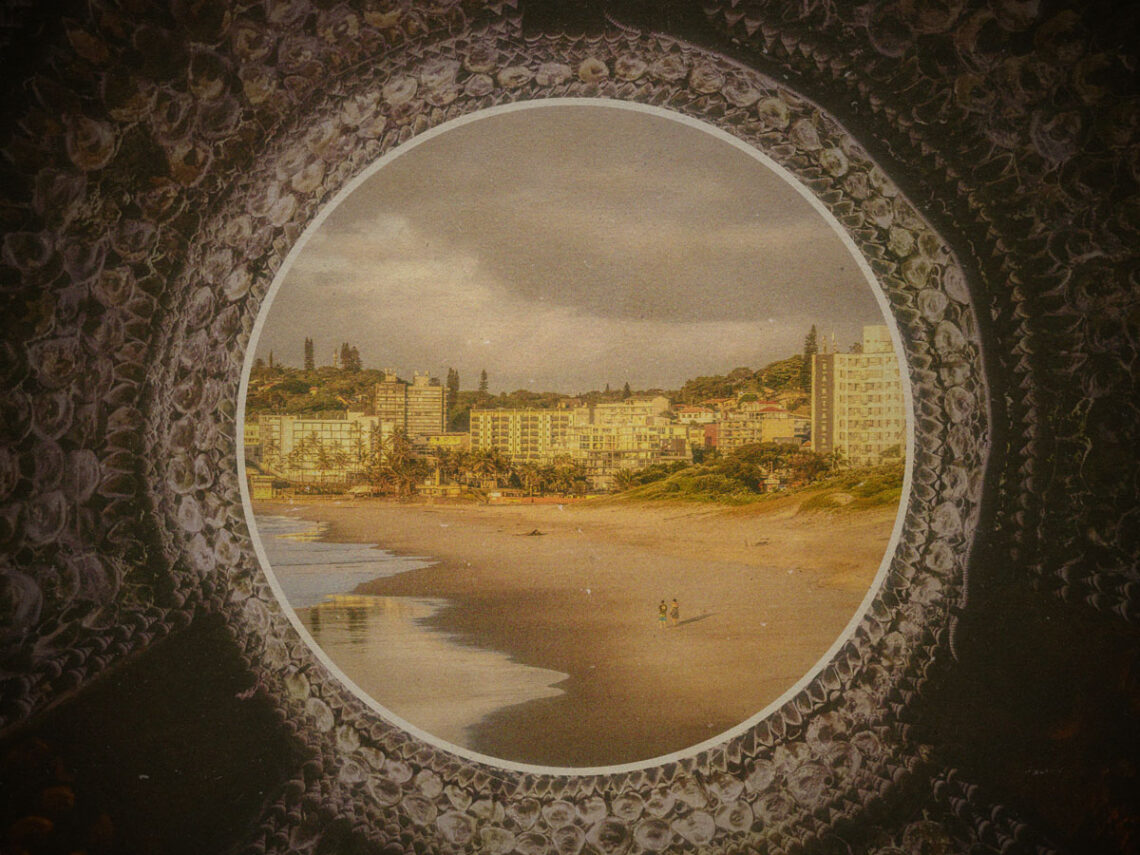
Part of our world: the hidden shell grotto in Margate
Margate has something of a reputation in the year of our lord 2026.
As one of the rapidly vanishing places within practical travelling distance of London, it’s been descended upon by young people like seagulls on so many unsuspecting portions of chips in the hands of overly blasé tourists. Five years ago, the place was barren and depressing enough that it had become a byword for the decline of the English holiday town and, by extension, the English tourism industry in general.
The only people who could bring themselves to live there were retirees, the people who worked at their homes and the few carnies brave enough to stay manning the rides and stalls of the seaside amusement parks still active. It was Brighton if you were too afraid of the gays to go to Brighton, basically, and that more or less summed up the calibre of people that called it home. Then the strangest thing happened. Margate became weirdly cool?
Cheap rent, cheap bars and a willingness to rent those places out to students and graduates meant that suddenly, Margate became the place to be. The truth is, however, that there was at least one thing making Margate an extremely cool place to be long before the hipsters decided to call it home. One that could quite possibly have been there for as long as there’s been a Margate.
Something that, even more excitingly, wasn’t created or invented, but discovered.
What is the Shell Grotto of Margate?
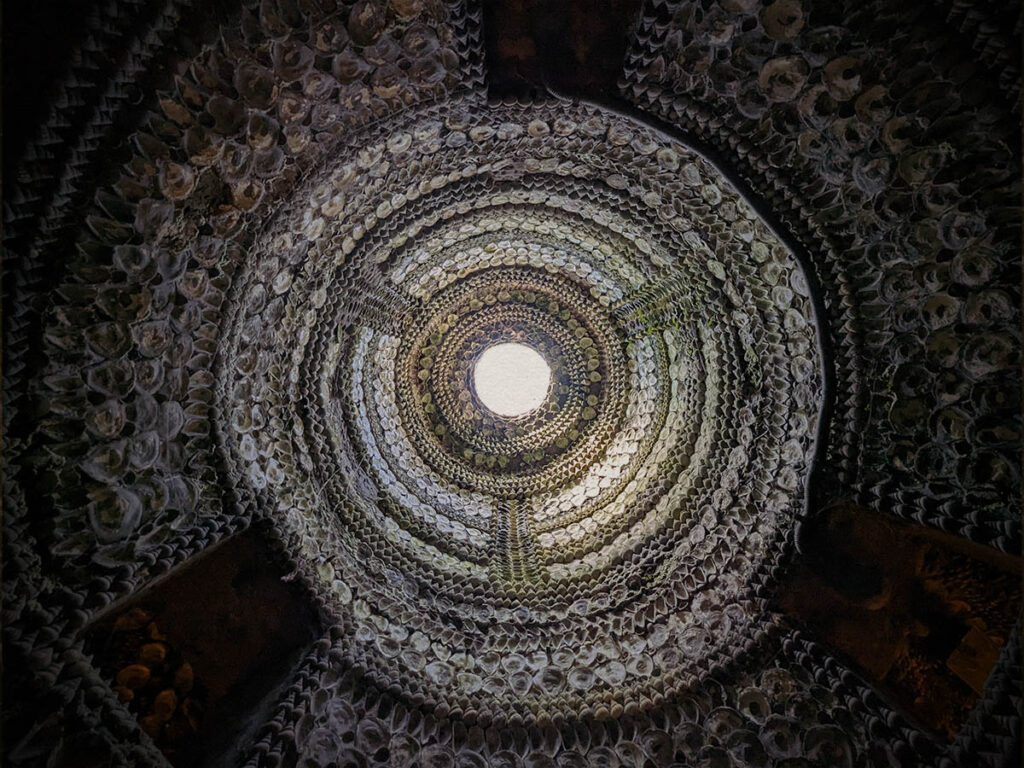
No one really knows how the Shell Grotto of Margate was discovered, but one can only imagine the truckload of shit that was lost when some workmen began excavating the Belle Vue cottage in the mid-1800s and found, buried deep under the ground, something truly magical. A dark, winding passageway about 70 feet long, leading to an altar chamber measuring 15 by 20 feet. Each and every inch of it is covered with seashells.
This is no natural occurrence either. The shells that decorate the walls are, exactly that, decoration. Colour-coded and arranged in the most incredible patterns that make this look less like a grotto and more like a church. This is especially apparent in the altar chamber, with an incredible domed roof that looks like something out of a fantasy novel until you see it in person and realise “no, this is real life, and it can be this incredibly beautiful.”
Adding to the magic of it all is that we have absolutely no idea who was responsible for it. It could be of ancient origin. It could be the work of the Knights Templar. It could have been done by the Freemasons. Hell, the most likely origin is that a bored nobleman of the late 1700s took it on as a pet project. We don’t know, and we likely never will. All we can do is appreciate it for one of the most miraculous things the English coastline has ever given us.
Proof at a time when it’s needed most that mystery and magic is alive and well in this beautiful, infuriating country.