


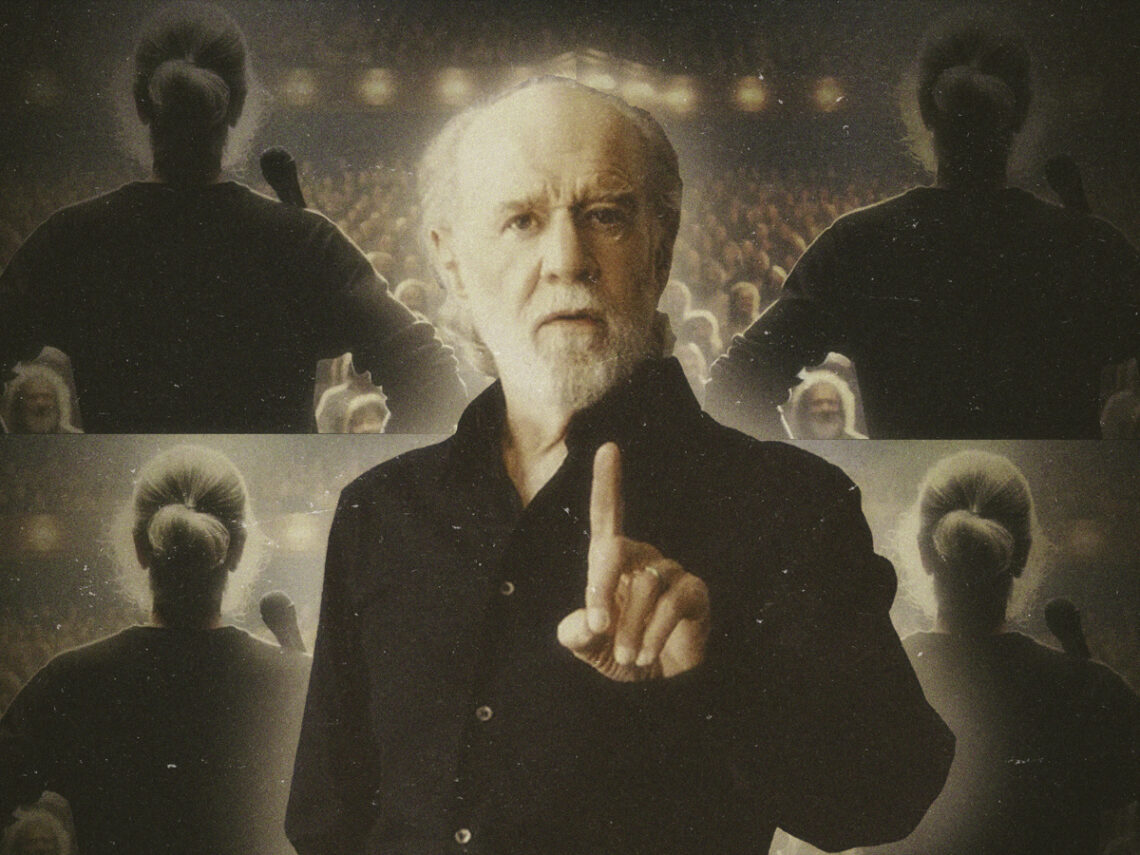
‘I’m Glad I’m Dead’: The intensely stupid story of an AI-generated George Carlin special
The term “AI-generated art” is an oxymoron. Emphasis on the moron. AI cannot generate art any more than a Google search can make your tea; that’s not what it’s built to do, and anyone who says otherwise is a liar.
Now, I’ve been known to tell anyone who’ll listen that everything is art. Whether this be a sunset, because of the feeling it radiates, rather than the fact that someone captures it in a photo or a painting. Yet AI-generated art might just make me rethink that because, quite simply, all an AI-generated “piece of art” is proof of is that someone had an idea, with no execution. All it takes is to type a prompt into the AI-tool of choice, which then regurgitates a facsimile of what other people have thought about it, and there you go. Art as content, content as art.
This isn’t a new idea either. Just look at the infamous YouTube plagiarist James Somerton. His videos were also poorly disguised, vacuous facsimiles of actual art that were mostly cribbed from other writers, with a few of his blatant lies thrown in for good measure. That’s not art in exactly the same way that a piece of AI-generated art isn’t art either. We’ve been having this conversation for decades, so why are we still having it now?
I think the answer lies in a truly despicable creation called George Carlin: I’m Glad I’m Dead, a so-called stand-up comedy special from the dearly departed comic that a bunch of podcast bros with a show called Dudesy (of course, it’s called Dudesy) supposedly slapped together with generative AI and released online. Carlin’s estate immediately intervened to put a stop to it, taking the creators to court and revealing a lot of very interesting little details about its creation.
Like how, for one thing, the ‘special’ was even more of a con than it first appeared on the surface.
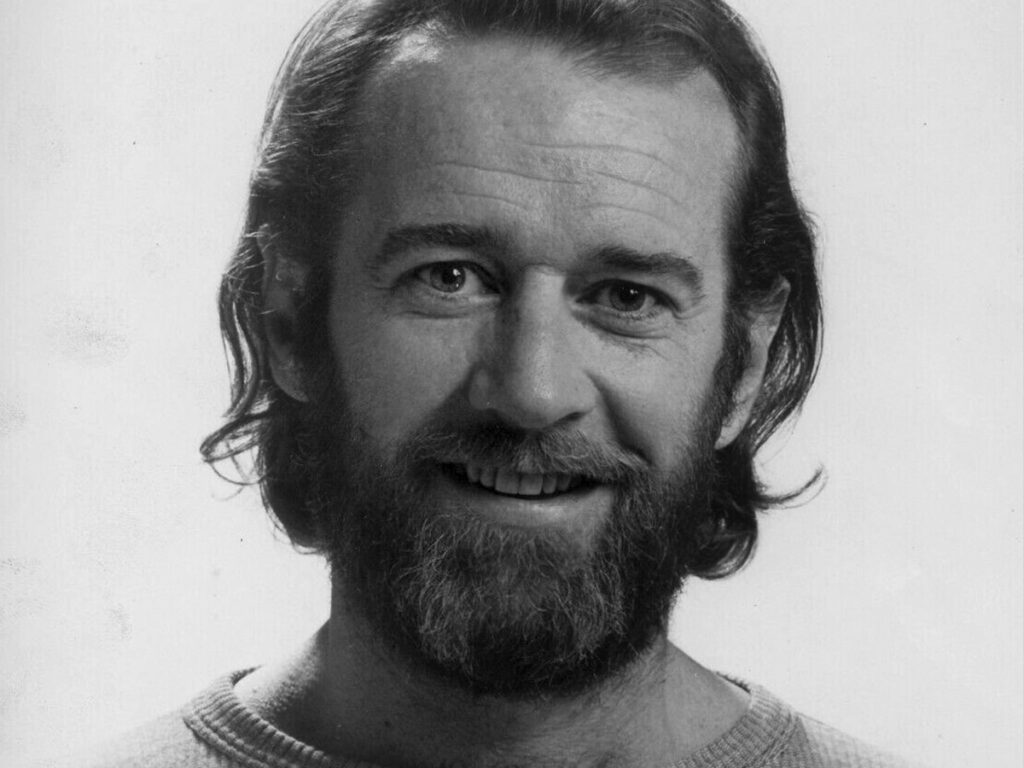
The shocking story behind the AI George Carlin special
The lawsuit never made it to the discovery phase, which means that all we have to go on is what the hosts of Dudesy made public. It turned out that a lot of the project was designed as a joke. The hook of the podcast is that “Dudesy” is a fictional AI, and in this episode, he claimed that he’d been fed the entirety of Carlin’s stand-up work and made a stand-up special based on it.
It also turned out that no generative AI had been used in the creation of the material. No, that was the work of comedian Will Sasso and writer Chad Kultgen. However, while we don’t know the extent to which generative AI was used on the project, it stands to reason that the voice and likeness of Carlin used in the ‘special’ was.
It certainly looks and sounds low-rent enough for that to be the case. But, that’s sort of beside the point. The point is that whether the special was ghostwritten by someone else or generated by AI, the two things are one and the same.
Because that’s all generative AI is. A computer programme that places the words that would most likely sound best together as a response to a prompt. It’s not an expression of any real feelings; it’s not a comment on any real-world happening; it just sounds like it is.
Much like how any art made with AI isn’t actually art, it’s just indicating it.