


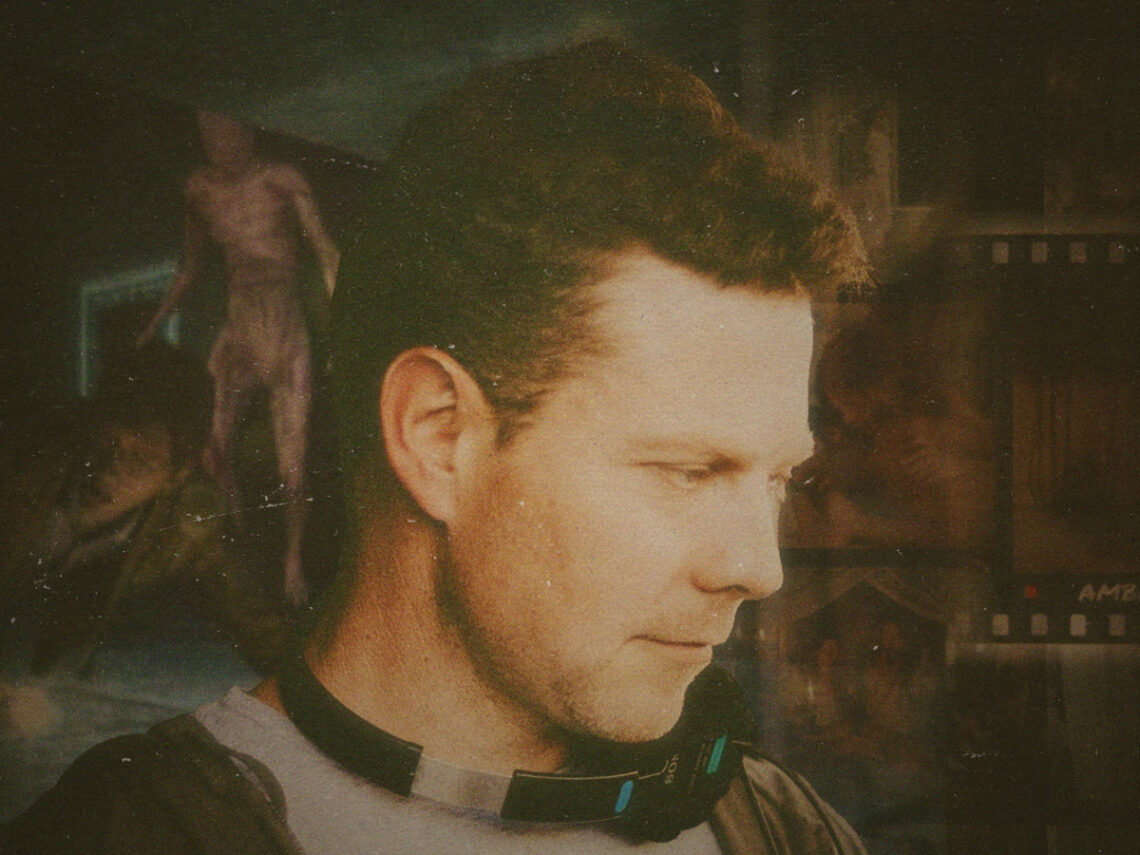
Sam Barlow: filmmaker or game designer or both?
It seems to be difficult for most people to understand that video games are a medium, not a genre. Despite gaming being arguably the world’s dominant entertainment form for the past two decades, people still have this idea that there are things that a video game can be, and things that a video game can’t be.
This is patently absurd. Sure, one can look on the surface and see Roblox and Minecraft scamming billions out of kids and FIFA (sorry, unc moment, EAFC) and Fortnite scamming billions out of adults. That’s the kind of depressing sight that can solidify any bias against the medium you might have. However, I don’t think it’s any worse than the most popular forms of any other entertainment medium. The Marvel Cinematic Universe is dead set on scamming both demographics out of billions, and God help me, I like those movies.
As always, the most interesting forms of any medium can be found the further away from the mainstream you get, and the works of Sam Barlow are among the most exciting visionary games you can find at the moment. This is despite the fact that the core visual language of his most infamous games has nothing to do with what most would traditionally call video games. The visuals of the last three games he directed weren’t computer-generated at all, but filmed on camera with actors.
This isn’t exactly a new phenomenon. Way back in the early 1990s, a number of studios tried to avoid the problems caused by early graphics processors by filling games with filmed cutscenes. These games were called Full Motion Videos, and pretty much none of them worked as anything more than campy misfires. Though it did lead to that incredible Tim Curry line from Command and Conquer: Red Alert 3. Maybe FMVs were the future all along?
Barlow’s work couldn’t be more different from that, though. Rather than campy fun, his work can be captivating, deeply unsettling, and sometimes outright beautiful.
What games has Sam Barlow made?
After making his name as the director for a pair of Silent Hill games that have their defenders, Origins and Shattered Memories, Barlow turned what was expected of him on its head with the spectacular Her Story. A game about sorting through a database of video clips from fictional police interviews, fully acted in live action, in order to solve the case of a missing man. This was a game that had more in common with a prestige police procedural than any live service addiction machine or AAA first-person shooter, and it became one of the most critically acclaimed games of 2015.
It also wasn’t a stunt, either. Barlow followed this up by taking the exact same pitch, a genre that Barlow himself rather wonderfully called a ‘desktop thriller‘, and expanded upon it. While one actor was the focus of Her Story, Telling Lies expanded that roster to four, with the player spooling through video calls made between each character to determine which of them is telling the truth, and which of them is… Well, you get it.
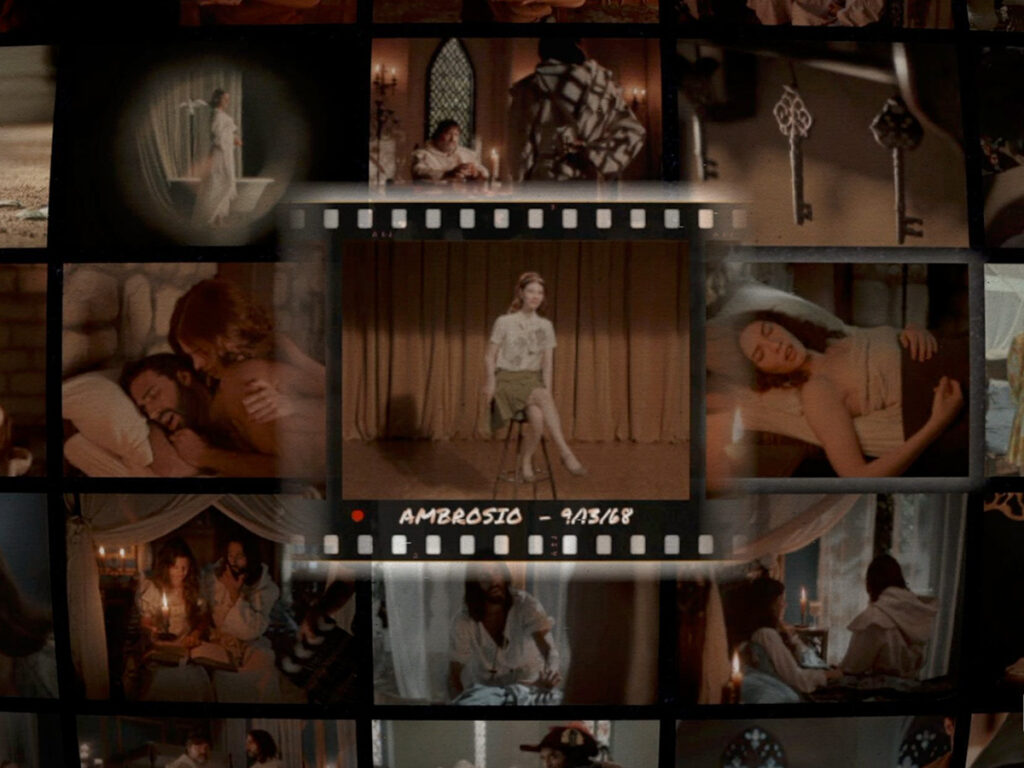
Telling Lies was, again, acclaimed, though it did feel like an expansion on what made Her Story so groundbreaking. No problem with that, but it was a sidestep compared to what came next. Immortality should have seemed like more of the same, an FMV about spooling through existing footage, this time the dailies of a cancelled film project, except the more time you spend with Immortality, the more you watch with awe and disgust as it blossoms into one of the best found footage horror stories you’ll ever come across.
Anything more would be a spoiler. So, if you’re already an avid gamer, or even if you’re not but you’re turned off by the biggest names in the industry, give the work of Sam Barlow a try and see just how deep the rabbit hole goes.