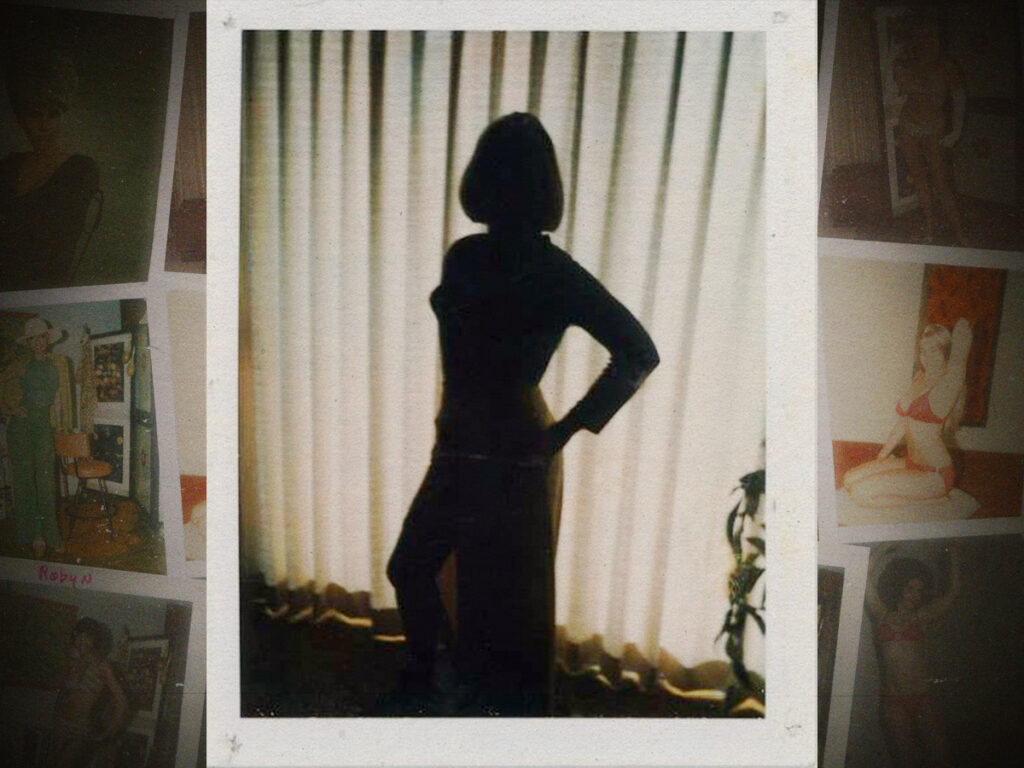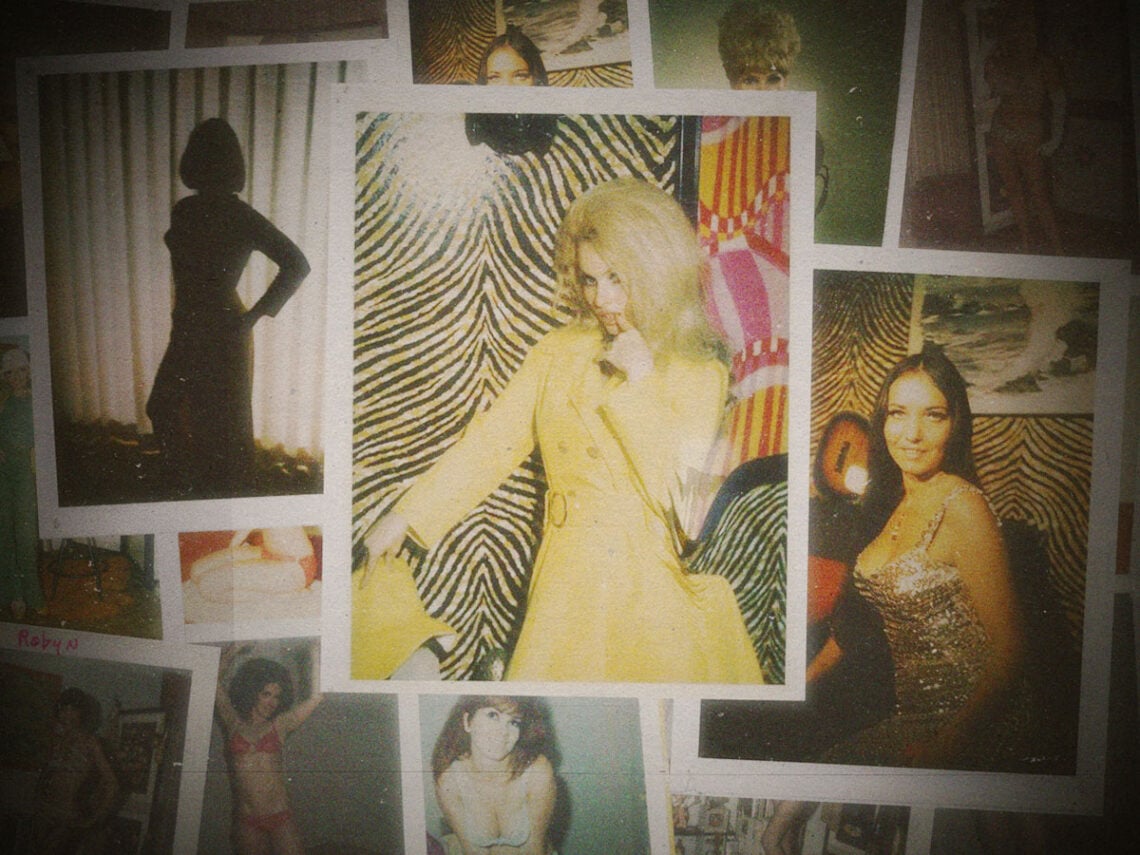
Vintage stripper audition Polaroids from the 1960s and ’70s
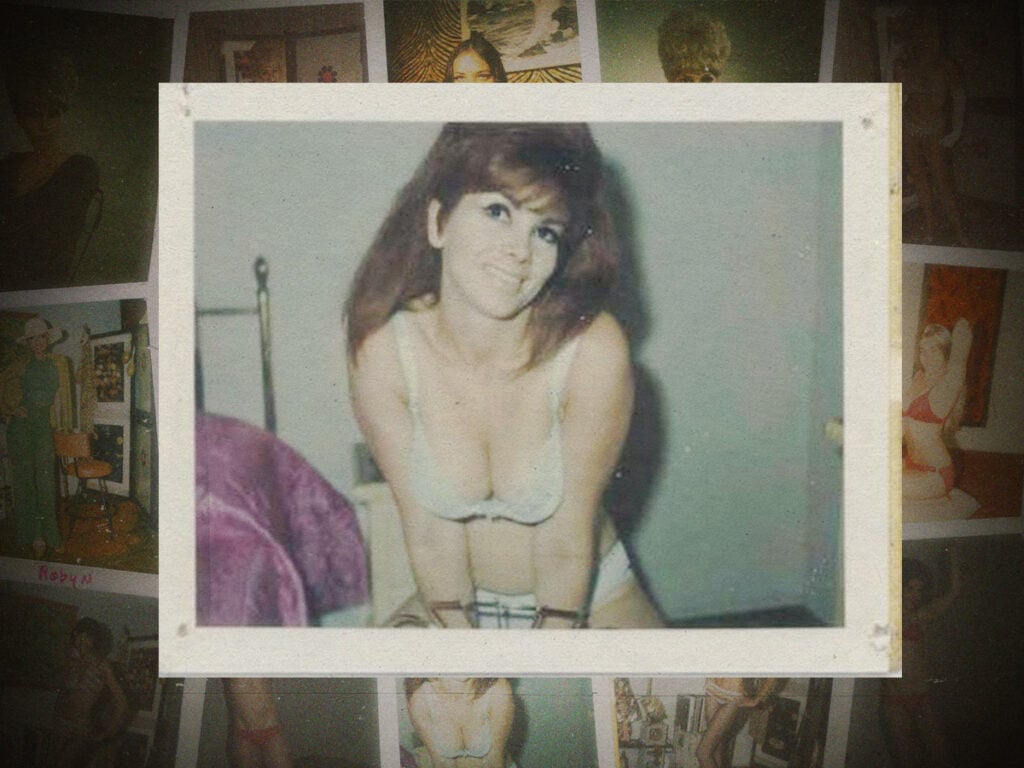
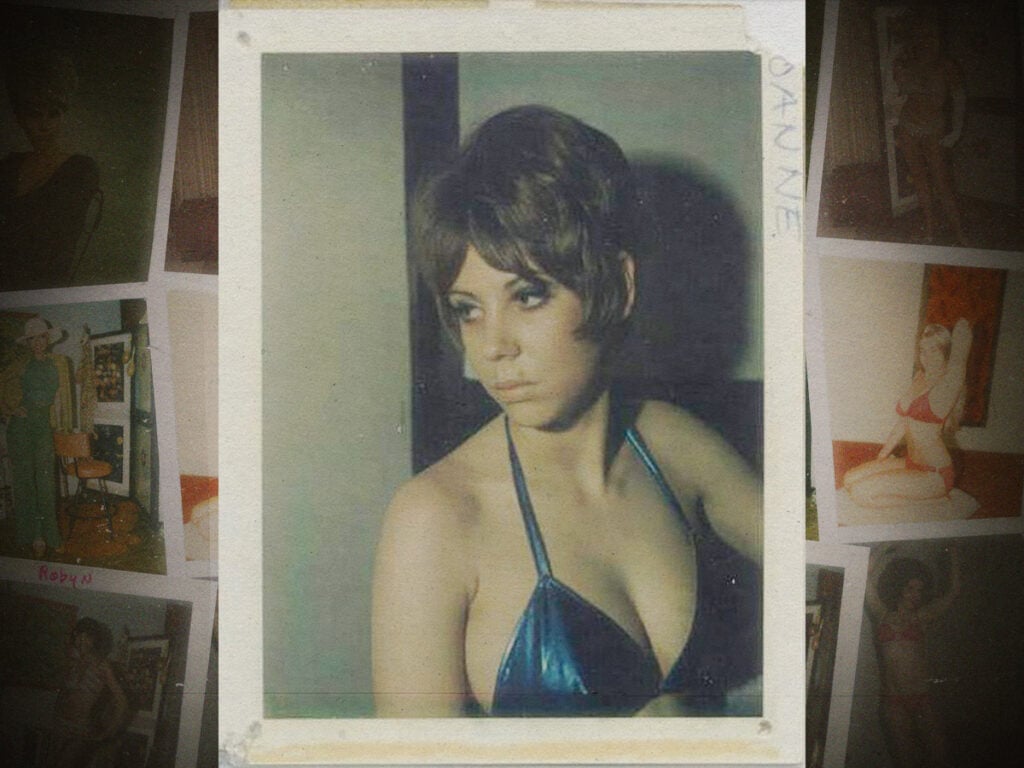
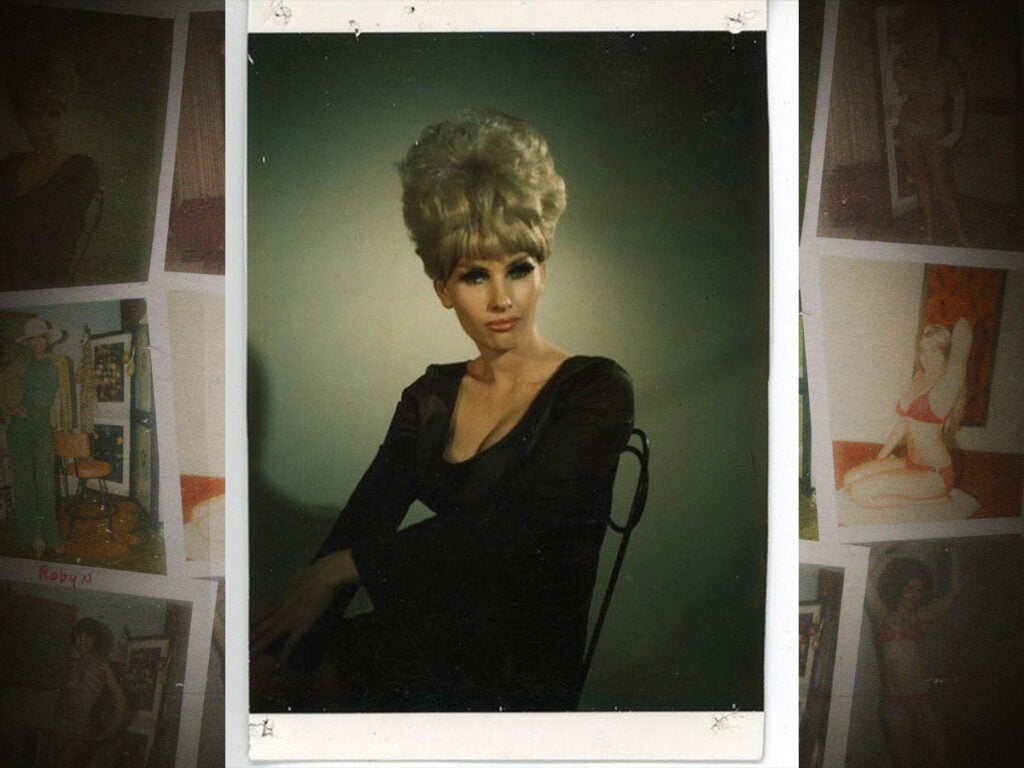
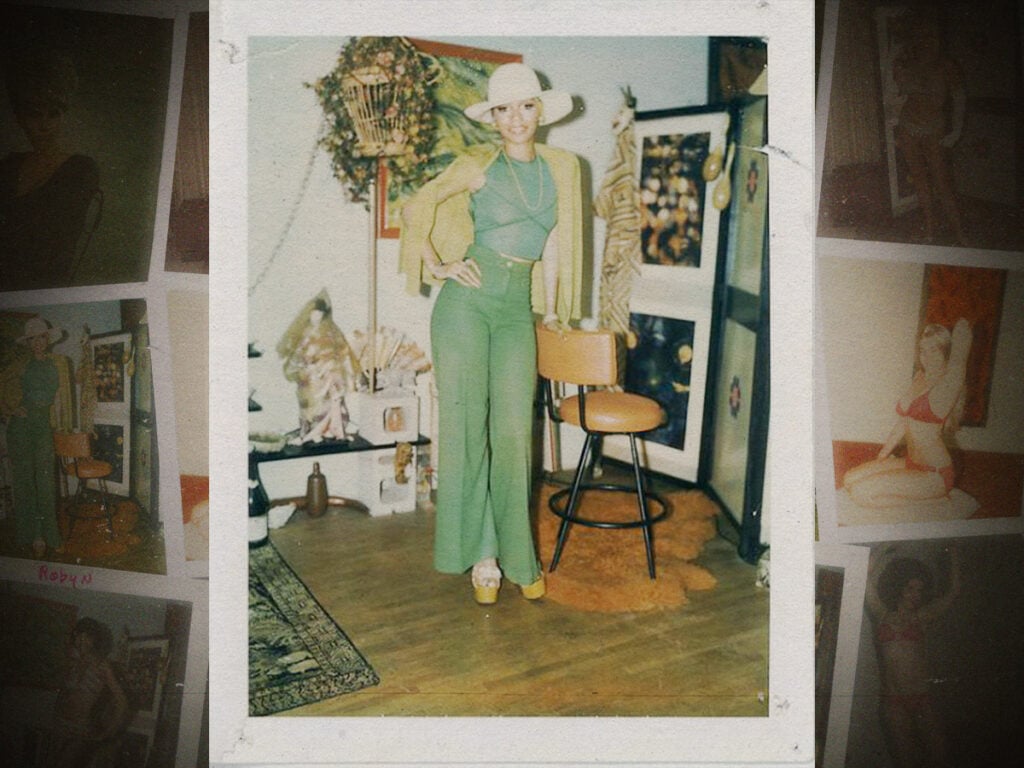
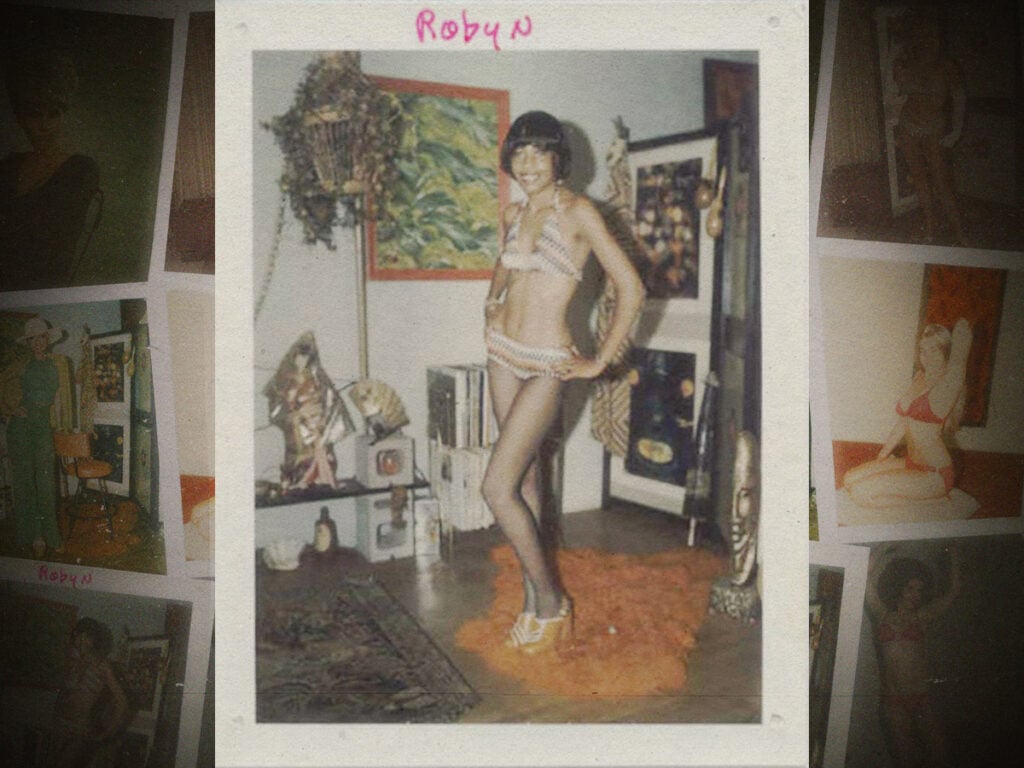
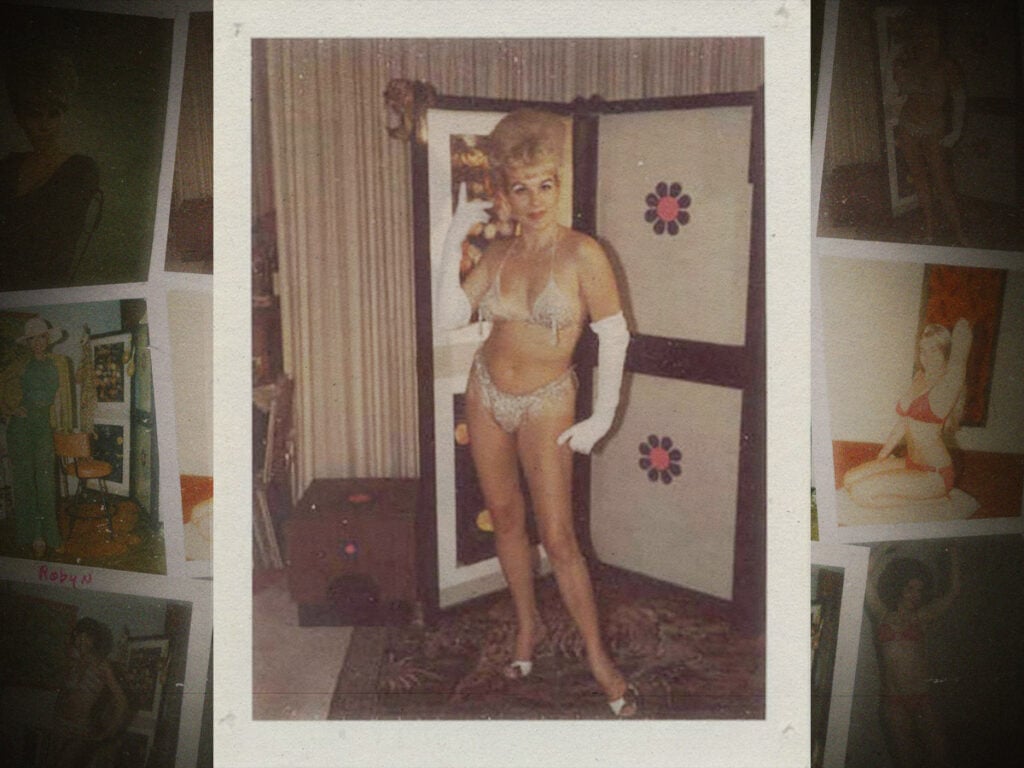
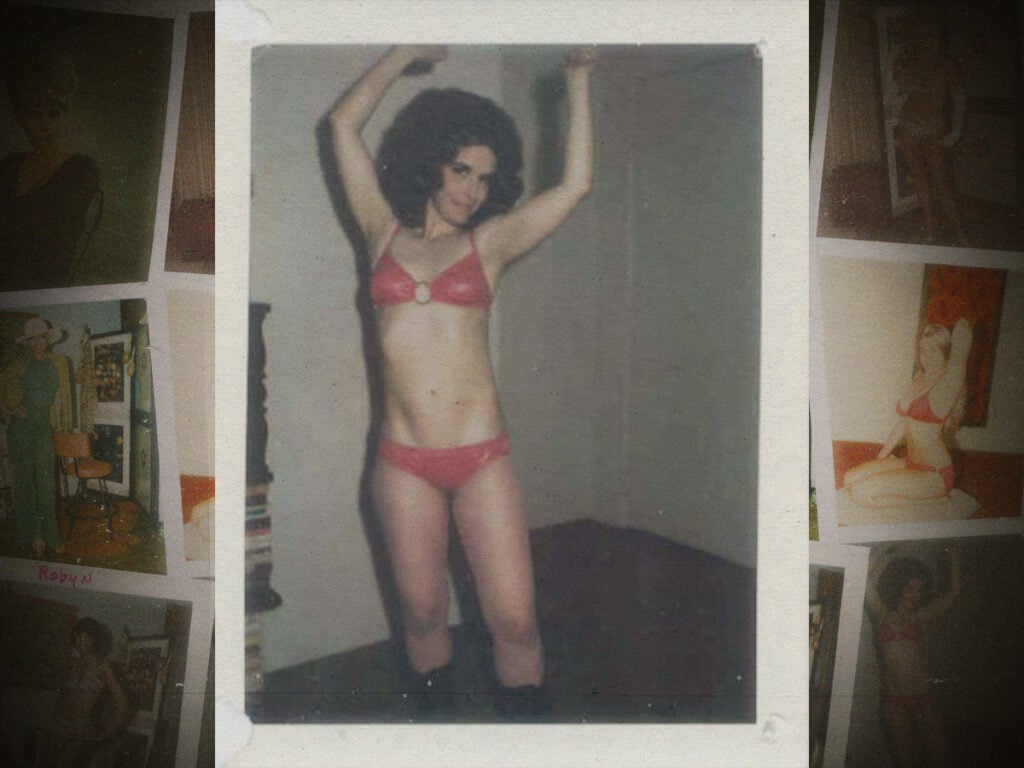
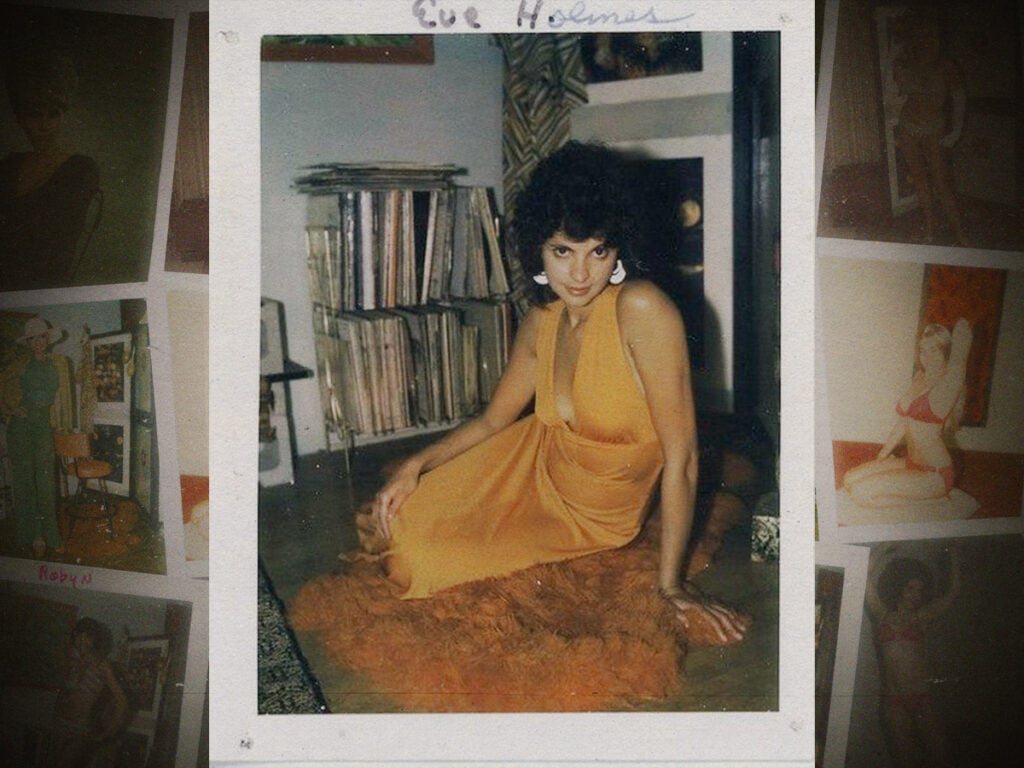
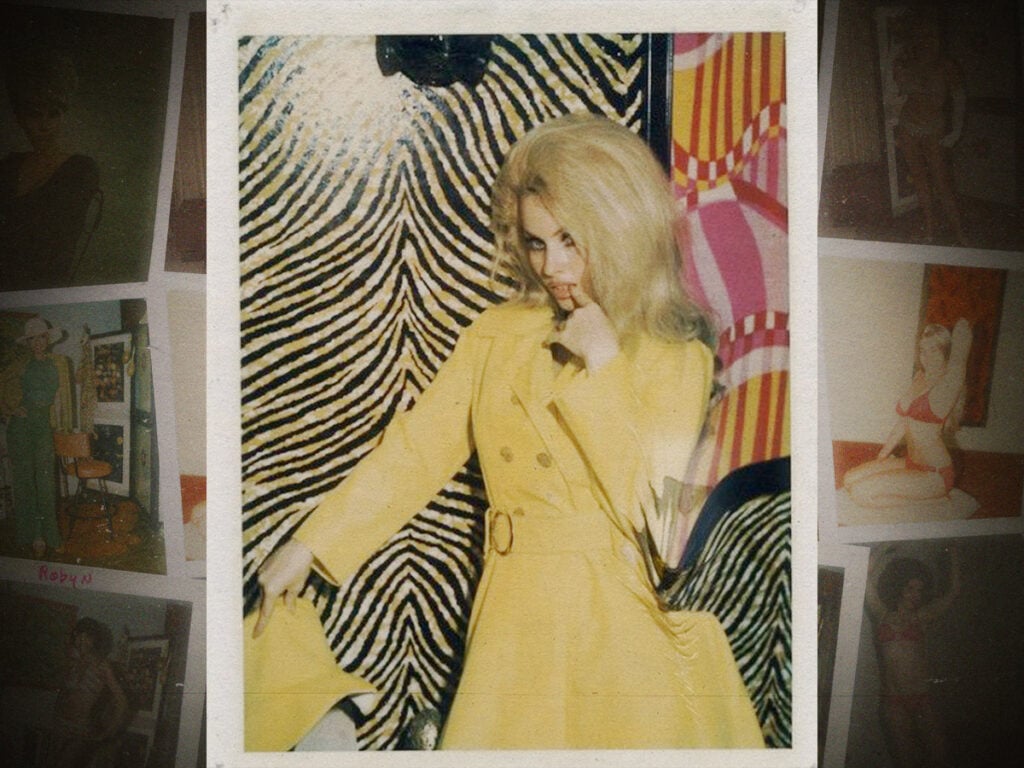
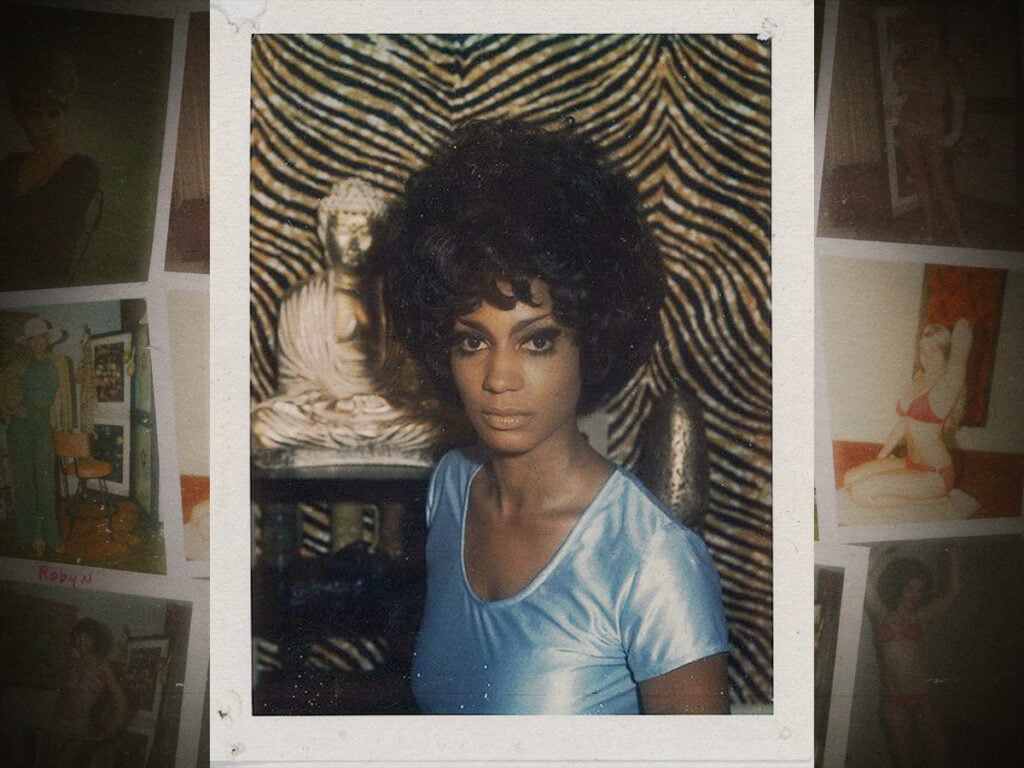
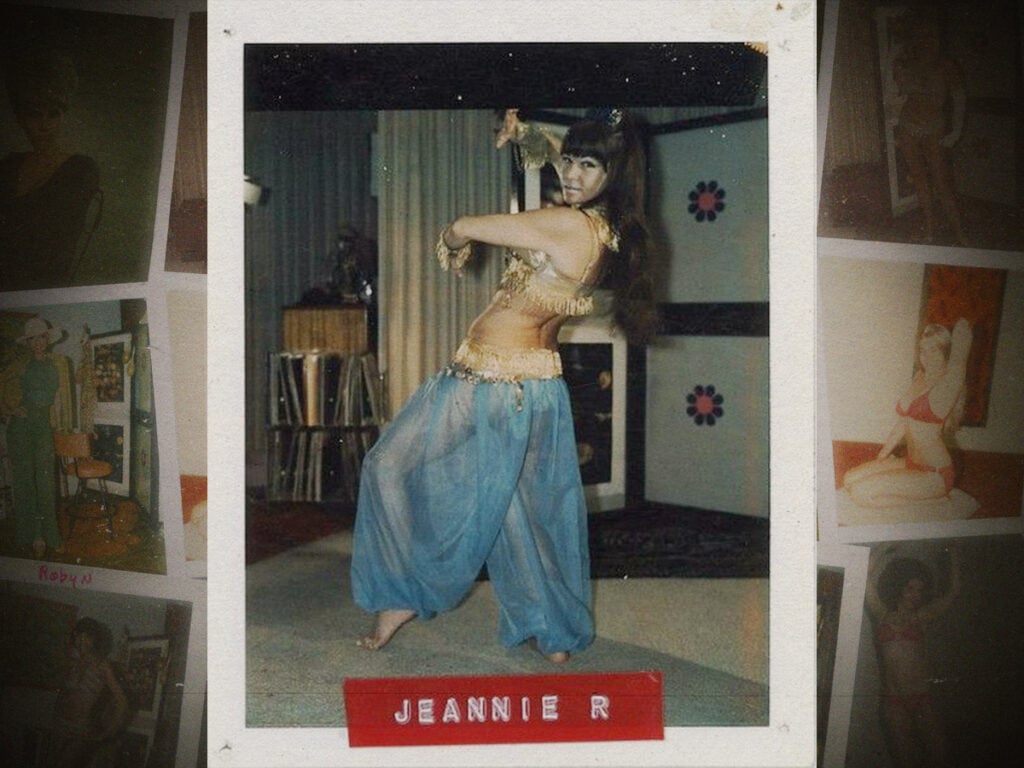
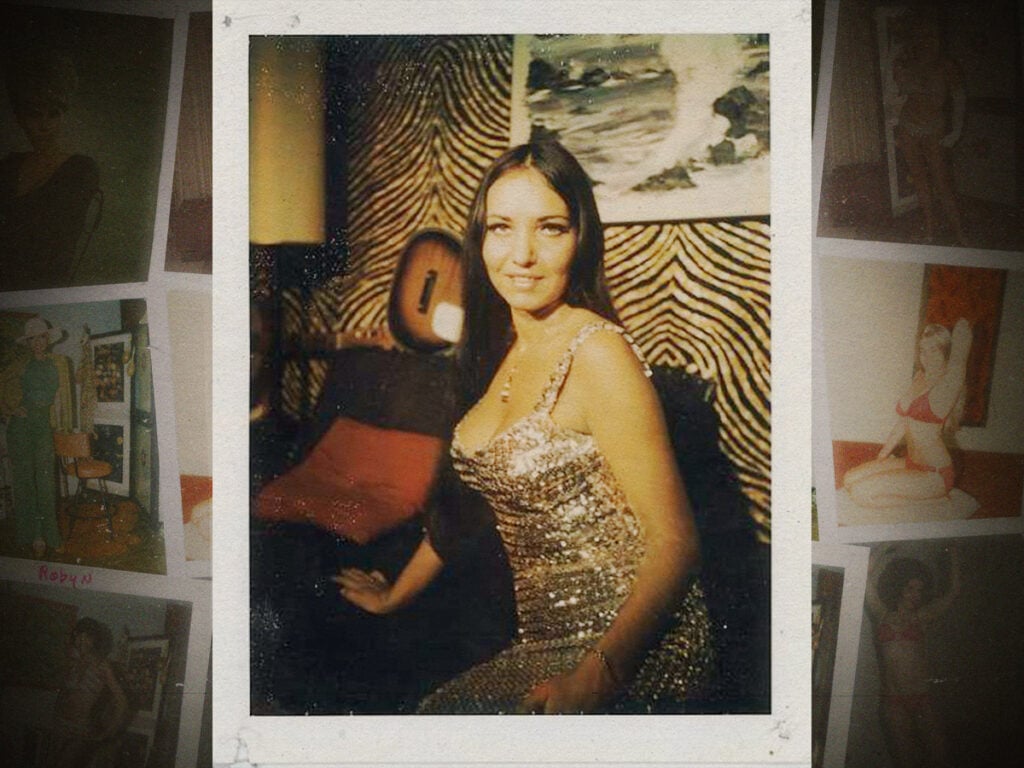
It’s easy to mythologise the past when all you’ve got are neon signs and faded marquees. But these Polaroids? They don’t lie. They’re from the backrooms and basements of the strip joint world. No makeup trailers, no lighting techs. Just real women trying to get work, snapped by someone with a Polaroid and an eye for hips and hesitation.
There’s no pretence in these shots. Some women pose like they’ve done this before, and maybe too many times. Others stare into the camera like they’re already sick of whoever’s holding it. A few smile, and you want to believe it’s real. Maybe it is. But the setting tells you everything: dingy wallpaper, scratched furniture, the kind of carpet you don’t sit on. This isn’t glamour. It’s labour.
The 1960s and ’70s were painted as eras of liberation, but for working-class women, the freedom often came with strings. Economic desperation, broken marriages, addiction, or just the need to eat that week drove women into clubs where tips were fast and boundaries were flexible. Stripping might’ve meant agency—but only until the bouncer looked the other way.
These Polaroids—dozens of them—were probably tacked to a corkboard in the manager’s office, or stuffed in a drawer. There’s not a lot of eroticism here, so don’t get your hopes up. This was HR. A pre-show checklist: hair, body, willingness. Next.
What’s striking now is how vulnerable and exposed these women are, even before a single piece of clothing comes off. They’re not posing for an audience; they’re posing for a gatekeeper. The guy with the camera had power. He decided who got stage time. Who got passed over. Who got handed off to the next bar down the street.
Some of the women look young, and let’s be real, too fucking young. The kind of young that makes your stomach knot when you realise how many lies might’ve been told just to land a spot under the lights. Others wear years on their faces and bodies. Survivors, maybe. Women who knew how to play the game, and knew how rigged it was.
This isn’t a gallery of exploitation. It’s a ledger. A record of women trying to survive under the weight of men’s expectations and the economy’s indifference. A time when a job interview meant standing in front of a stranger in your underwear while he decided if you’d pull in enough drink sales.
We don’t know their names. We don’t know what happened next. Some might’ve moved on, started families, gone back to school. Some didn’t. But these images outlived them. A strip of photo paper holding decades of silence.
They deserve to be seen. Not leered at, but recognised—for what they endured, what they risked, and what they reveal about the invisible labour that’s always propped up the American fantasy.