


Little Tramp: The curious case of Charlie Chaplin’s doodle address
Quick, think of the persona of a movie star.
It doesn’t even need to be anyone specific, just the platonic idea of one. What features do they have? Probably tall? Muscular build? Sunglasses, a tan, perfect hair, a wardrobe that costs more than your car? A general feeling that, for them, life is nothing more than a parade of glamorous locations and cocktail parties, even before they move on to the set of their next action-packed blockbuster that costs the earth but will make even more?
It’s an understandable image to have. Even in our modern-day movie environment, where the very idea of movie stardom is somewhat outdated, we still have the idea of the stars of yesteryear. Your Will Smiths, your Arnold Schwarzeneggers, your Angelina Jolies, whose characters could never hope to be as glamorous and charismatic as they were. Except there’s a very good chance that the ultimate movie star was the complete opposite of all of them.
It might just be the case that a movie star existed who was categorically bigger than all of them, and did so not with pulse-bounding action films made with the GDP of a small continent, but with the humble comedy. That did so without even sound to make any trademark quips and one-liners. That, most of all, did so while not looking or acting like some demi-God that catches everyone’s attention in a three-mile radius, but who got their popularity by looking, for all the world, like a little tramp.
It’s true. There’s a chance that the single biggest movie star of all time is still Charlie Chaplin. One does have to make allowances, like adjusting box office receipts for inflation and understanding that Chaplin’s Hollywood was a vastly different beast from what it is now. Yet in terms of sheer star power, there may have never been a time when Hollywood was built around one star persona more than the 1920s and 1930s, where pretty much everyone flocked to the cinema to see his pictures.
And when I say everyone, I mean everyone.
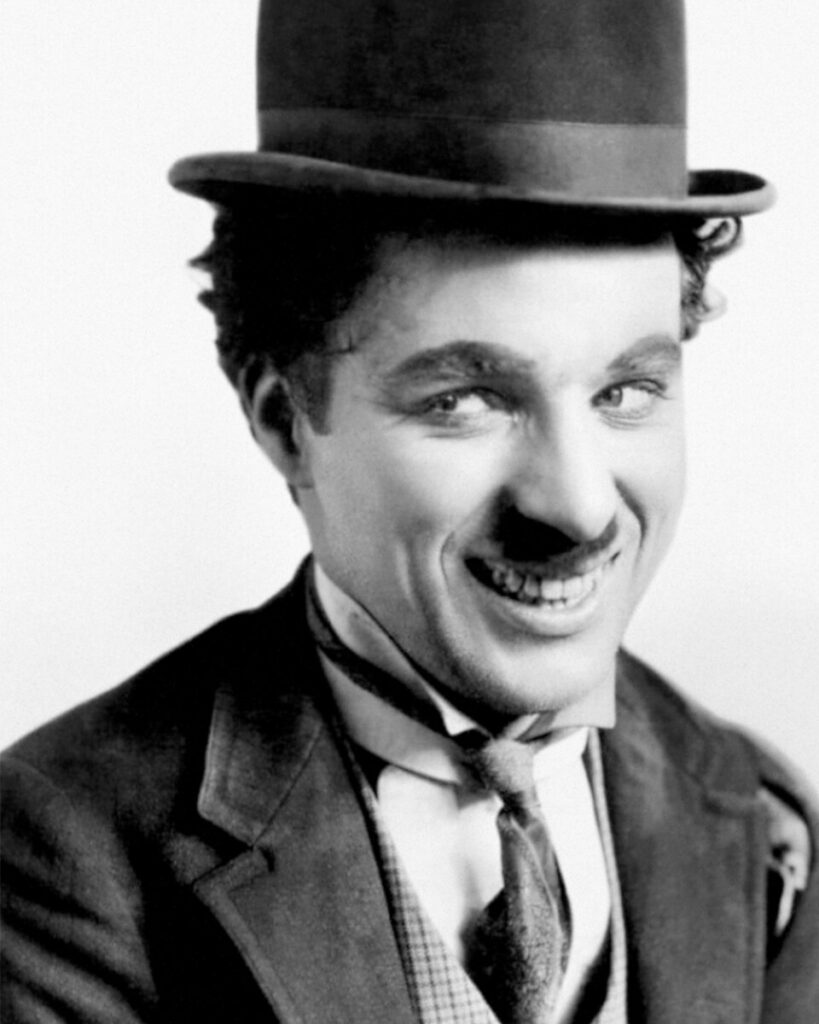
Just how big was Chaplin’s movie star persona?
However, it is fair to say that the Hollywood of the time was a very different place from the Hollywood we know today. Principally because, y’know, people went to the cinema to see films back then. It was affordable even during the Great Depression, and people do things they can afford. Who knew?! However, the differences go deeper than that, and there was no bigger difference than the attitudes towards movie stars.
People went to the flicks not to see their favourite movie stars immerse themselves in new roles but to see their favourite movie stars don their trademark personas in (slightly) different scenarios. Shirley Temple had her butter-wouldn’t-melt scamp persona, Kay Francis had her ice queen temptress persona, but the little tramp was a step above all of them. So much so that a strange phenomenon began happening with the sheer amount of people who wanted to send Chaplin fan mail.
There was obviously no fixed address to send the great man mail that any punter would know about. So, people who desperately wanted to send Chaplin a postcard or a letter to show their appreciation for his work instead began doodling a quick caricature of his Little Tramp persona, where an address would normally go. If this were any other movie star, this would end up wherever undeliverable mail goes, but somehow, it worked.
These letters and postcards would often find a way to their destination, whether he was at home in Hollywood or travelling around the world making movies. Some of them are barely pictures of him, just scrawled versions of his hat, shoes and cane. Yet despite everything, that was enough for everyone to know who you were talking about.
That’s the kind of fame you just don’t get anymore.