


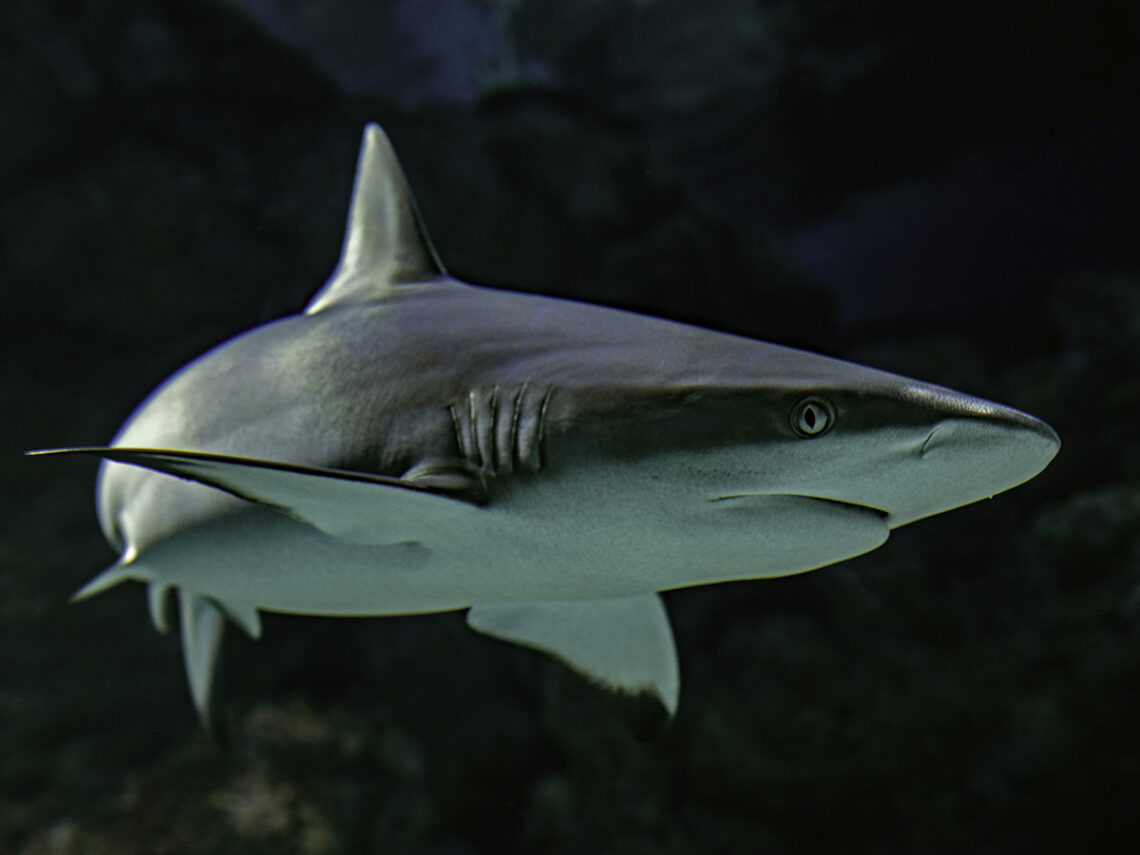
Cocaine sharks on the loose in the Caribbean
Cocaine-fuelled sharks are now on the prowl in the Caribbean, and experts think tourists are to blame for introducing the predators to the drug.
The drugs in the waters surrounding the Bahamas are on a cheery cocktail of uppers, after testing positive for cocaine, caffeine and painkillers.
The drugs have been detected across three different species of the animal, as per a new, tell-all study published in Environmental Pollution.
This marks the very first time that caffeine and acetaminophen have ever been detected in the predator.
As per Science News, tourists are directly to blame. This finding, said Natascha Wosnick, one of the scientists working on the study, is “mostly because people are going there, peeing in the water and dumping their sewage in the water.”
In the study, of the 85 sea-dwelling creatures captured, 28 of them exhibited detectable levels of cocaine, caffeine, acetaminophen or diclofenac. None of these substances were found in the bloodstream of Blacktip Sharks and Tiger Sharks.
Consuming these substances has a direct impact on the health of the sharks. For example, the new study suggests that diclofenac can be associated with kidney disease.
Additionally, some of the sharks under scrutiny appeared to have altered triglycerides, urea and lactate levels. Another way they may have consumed the drug is through ingesting a packet of cocaine residue in their predatorial exploration of their surroundings.
This is another story to add to the trend of human flippancy and hedonistic behaviour ruining the lives of the habitats around them; only recently, squirrels in South London were spotted vaping.
Plus, there has also been a massive increase in incidents where pets, such as dogs and cats, have been harmed by vapes and vape liquids. As humanity plunges into hedonism, so too do our habitats. Trouble is certainly afoot in paradise.