


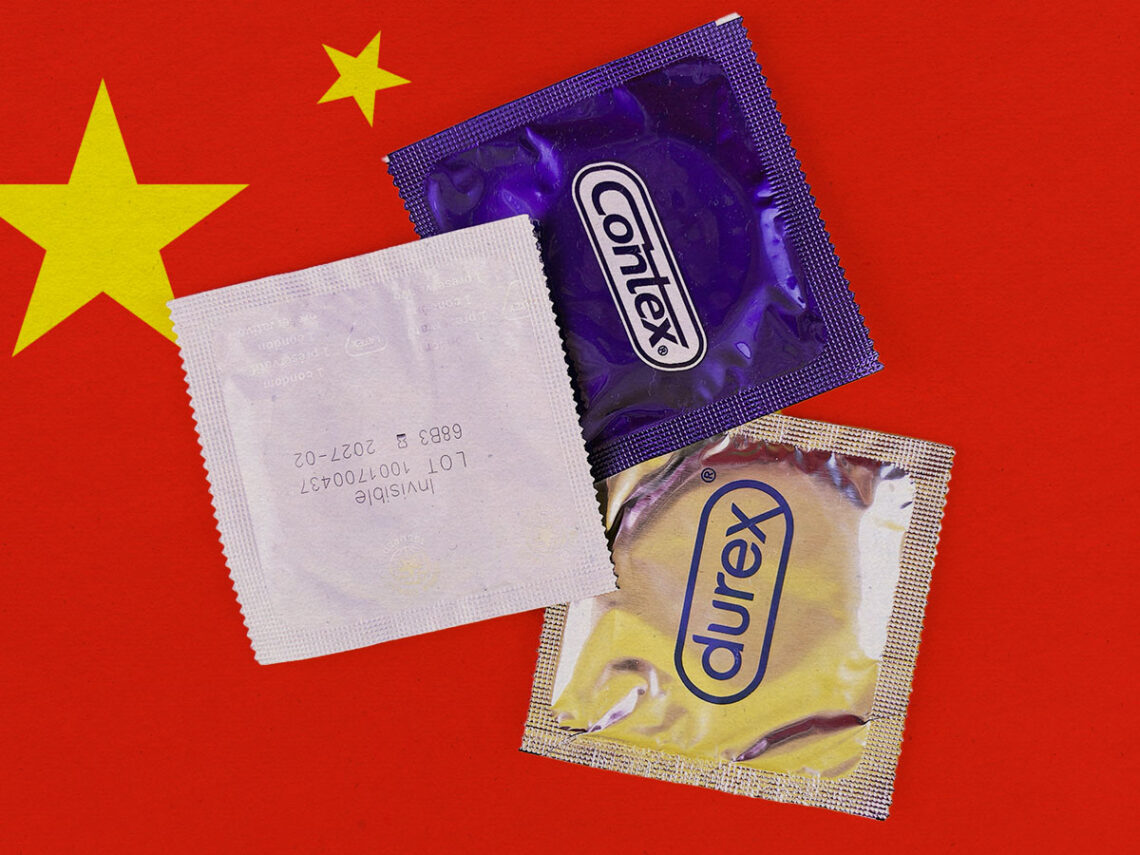
Condoms to become more expensive in China to encourage increase in birth rate
Condoms and other contraceptives are set to become costlier in China starting from next year as part of Beijing’s push to lift the country’s declining birth rate.
The news came via an announcement about China’s Value-added Tax (VAT) Law. Condoms and contraceptive pills were removed from the tax exemption list, meaning up to 13 per cent tax could now be added to the products.
This will break the chain of a 33-year stint, which introduced tax exemption on contraceptives under the One-child Policy. Seeking to slow population growth at the time, China first exempted condoms and contraceptive pills from VAT in 1993.
The move has been criticised by experts, who suggest that it is a step back for women, young people, and low-income groups.
Many have suggested that this will make contraception less accessible for those who desperately need it, leading to greater issues later down the line.
While other countries are moving towards decreasing the cost of contraception, China’s move may also ultimately undermine the prevention of Sexually Transmitted Infections.
However, the measure has been taken after birth rates across the area have hit record lows. China has experienced three consecutive years of population decline, including by 1.39 million in 2024.
The new pricing structure remains unclear: a condom in China could previously be purchased for the small sum of approximately $0.60. Now, manufacturers and retailers must respond to the tax inflation in the new year with a new pricing structure.
Alongside this announcement, the government is introducing financial relief for those who choose to start families. The updated legislation removes VAT on childcare providers such as nurseries and kindergartens. Also, tax has been removed from elder-care institutions, disability service organisations, and businesses offering marriage-related services.
Additionally, alongside this move, matchmaking agencies have been added to the tax-exempt list, encouraging greater usage of the service, which promises love across what appears to be a barren romantic landscape.