


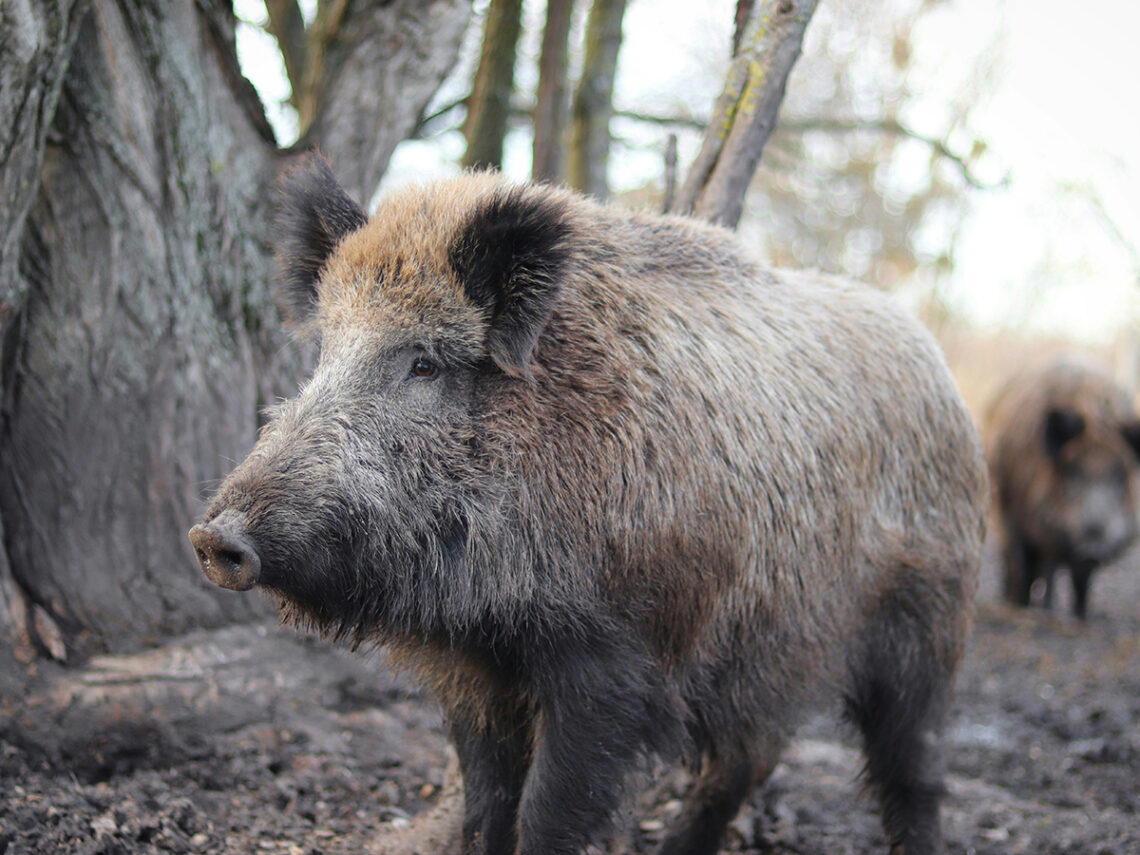
Japanese radioactive pig-boars finally understood by science
In 2011, Fukushima in Japan experienced a 9.0-magnitude earthquake and a 15-metre tsunami, which caused radioactive material to spill. Now, wild pig-boar fusions are roaming the abandoned evacuation zone.
Though a 20-kilometre radius of the Fukushima Daiichi Nuclear Power Station was evacuated in response to the incident, a handful of domestic pigs escaped from nearby farms and began reproducing with wild boars.
Donovan Anderson, a researcher at Fukushima University in Japan, explained back in 2021, “Once people were gone, the boar took over.”
With minimal human activity in the area, Japanese scientists are using the natural, yet surreal, reproductive occurrence to play out, to understand domestic pig hybridisation, as it is a growing concern worldwide.
In earlier tests, contaminated wild boars in the area showed levels of caesium-137 more than 300 times higher than the safe limit. This is a highly radioactive man-made isotope produced by reactors and weapons of the nuclear kind.
Through the study of these animals, specifically 191 wild boards and 10 domestic pigs, the researchers were looking to understand how quickly domestic pig genes were being diluted, and exactly how much domestic pig genetic material remained in the hybrid population.
The researchers went on to find that domestic pig genes drop more quickly across generations than previously assumed.
Additionally, the pigs’ year-round reproductive cycle persisted, leading to subsequent generations that were even more wild boar-like.
Donovan Anderson from Hirosaki University has stressed the usefulness of the findings, stressing, as per Independent, “We wish to emphasise that this mechanism likely occurs in other regions worldwide where feral pigs and wild boars interbreed.”
Further explaining the benefits, author Shingo Kaneko added,” The findings can be applied to wildlife management and damage control strategies for invasive species. By understanding that maternal swine lineages accelerate generation turnover, authorities can better predict population explosion risks.”