


Serbian village claims responsibility for the world’s first vampire
The Serbian village of Kisiljevo is a place that is unfamiliar to most people in the world. However, locals are now claiming it’s responsible for the world’s first vampire, putting Kisiljevo on the map around the globe.
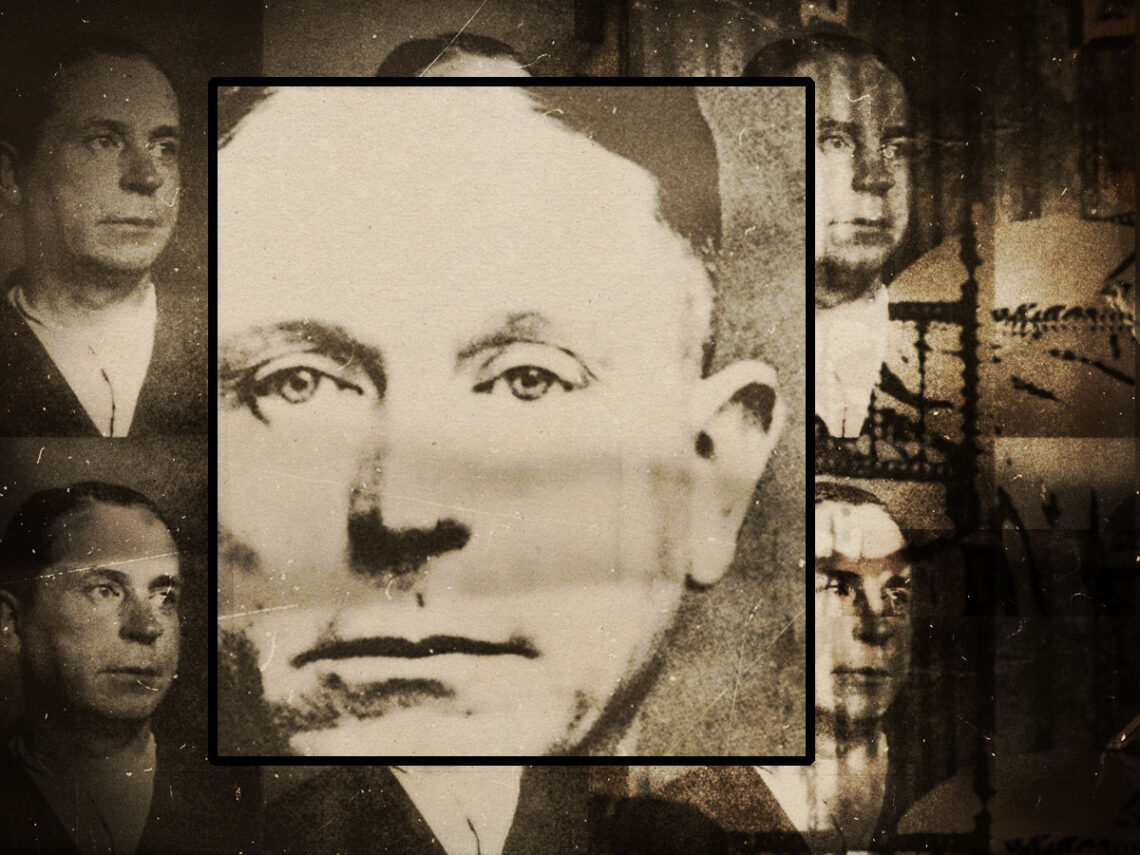
Kisiljevo is located around 100 kilometres from the Serbian capital, Belgrade, and on the surface, it seems just another remote village in the Balkans. But, according to those who know it best and inhabit Kisiljevo, it’s the grave site of Petar Blagojevic, who they call the ‘Father of Vampires’.
While this may seem like a far-fetched scheme from locals to boost goth tourism to Kisiljevo, it does appear to have legs and the support of historical records, if they can be trusted.
According to France 24, Kisiljevo’s residents exhumed his body after believing he was escaping his grave in the dead of night to kill locals.
Mirko Bogicevic, who formerly served as Kisiljevo mayor, told the French publication of Blagojevic: “Petar Blagojevic was found completely intact. When they drove a hawthorn stake through him, fresh red blood flowed from his mouth and ears.”
Speculating on the ‘Father of Vampires‘, he said: “He was probably just an ordinary man who had the fortune — or misfortune — to become a vampire. All we know is that he came from Kisiljevo, and his name appears in records from around 1700.”
While the history books list Blagojevic down as a vampire, this is simply an administrative error, according to Clemens Ruthner from Trinity College Dublin.
Ruthner believes it was merely a case of misinterpretation on behalf of the officials, explaining, “There’s an old Bulgarian word, Upior, meaning ‘bad person’. I believe the villagers mumbled it, and the doctors misunderstood, writing down ‘vampire‘ in their report.”
The academic believes the mysterious deaths in the wake of Blagojevic’s passing was instead due to an anthrax epidemic in the area, stating, “Vampirism, like witchcraft, is, in anthropological terms, a common model for explaining things people don’t understand – especially collective events like epidemics.”
Nevertheless, while the anthrax outbreak makes more scientific sense, Bogisevic, is unsurprisingly more interested in peddling the vampire tale which he confidently believes is the true story, concluding, “We have a fully documented account of an extremely unusual event — one officially identified as a case of vampirism. I personally believe in the authenticity of that report.”
Although science isn’t on the side of the locals in Kiseljovo, they are allowing themselves to believe their quiet village played its part in vampire history, and want this to be known by anybody who will listen.