


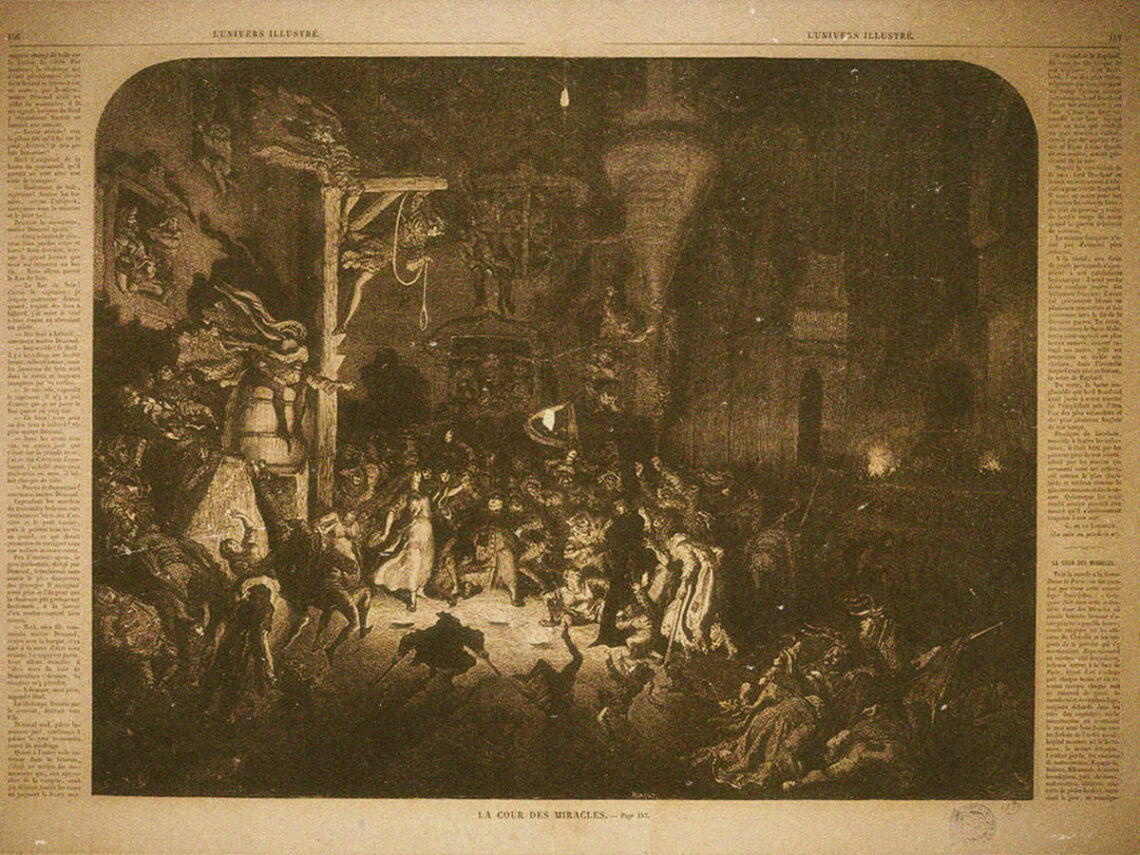
Fantastical Classism: Paris and the repugnant myth of “the court of miracles”
They don’t run with this in their tourism department, but the truth is that most of Paris is rough as fuck.
It’s true. Paris is the city of a lot of things. Light. Love. A somewhat inexplicable aversion to regular bathing. Other than that last one, they are all things to be proud of, yet they give off a certain vibe. A feeling of class, mystique and taste. A certain (sorry about this) Je ne sais quoi that has inspired some of the greatest artists of all time, that has never been replicated in any other city in the world, no matter how many attempts. Put simply, it comes across as posh, and the truth is, it’s not.
There’s a good reason that there’s a medical term for the stress that comes from being disappointed by seeing a city you built up your expectations for. There’s an even better reason why it’s called “Paris Syndrome”. The reality is that Paris, even at its ritziest, has a little grit under its fingernails. At its least ritzy, it’s a hole that could look like any corner of any deprived town you could think of. You might think this is because Paris has gone down the tubes in recent years, but actually, the opposite is true.
If anything, the quality of life in the French Capital might actually be at an all-time high. If you think it’s bad now, hop in your TARDIS and take a little trip to a few centuries ago. The Parisian slums were a genuinely terrifying display of urban squalor that few other places in Europe could match. Even the notorious slums of London’s East End were a walk in the park compared to areas of 17th-century Paris, yet despite all this, they got a truly wonderful nickname out of it.
A nickname that was somehow still deeply insulting and classist.
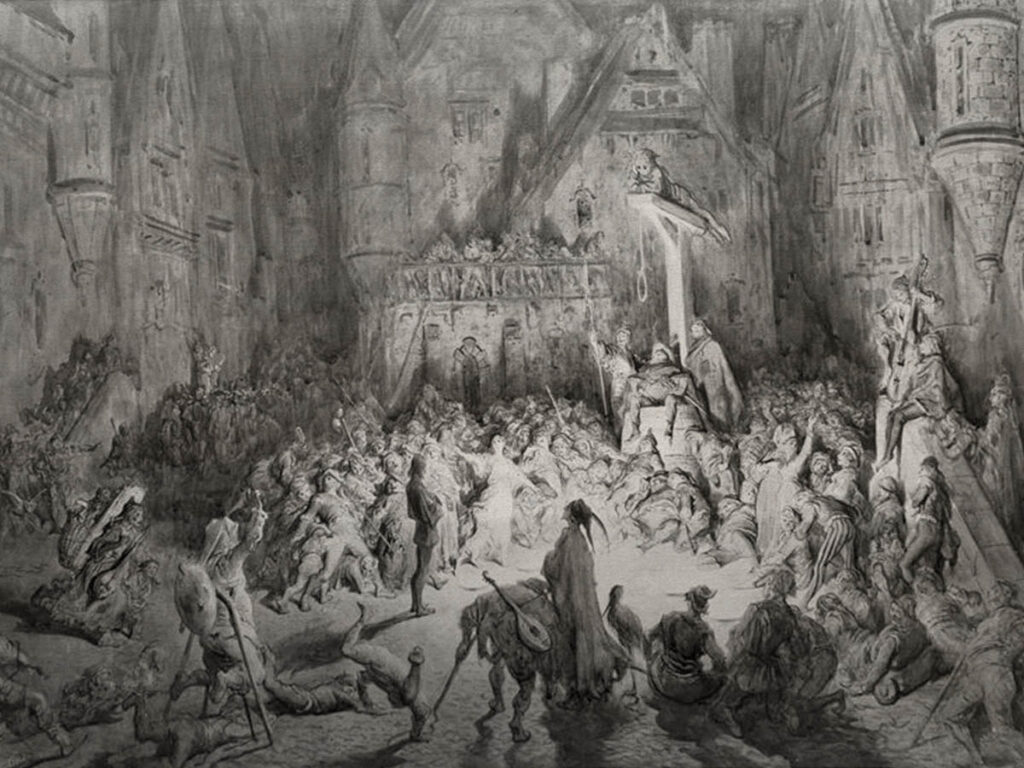
How did the slums of Paris get the name ‘The Court of Miracles’?
So, something to bear in mind about the way that people talk about the poor today is that it’s never really changed. People aren’t lying any more or less cruelly or frequently about the most vulnerable people in the world. We’ve always been great like that. There is something particularly callous about this phenomenon, though, one that calls specific mention to the sheer amount of beggars that would be asking for change on the streets surrounding these slums.
So the story goes, people watched these blind, infirm, sick or elderly people spend all day scrounging for spare change, before hobbling back to their home turf. At which point their debilitating condition would miraculously lift, and they’d skip home, fully cured of their woes until the day after, where once more they’d venture from their stoops and the maladies would return. This was so common that the slums of Paris gained the nickname La Cour des Miracles, or the court of miracles.
If this all sounds familiar (and it should), there’s a good reason for this. It’s basic classism and demonisation of the poor that you see every day on the front pages of tabloid newspapers and in the comment sections of social media posts. Except that today people would call them “benefit scroungers” or some other witticism they’d pinched off of some grifter’s TikTok feed. Whether they genuinely believe they’re faking it or just making up reasons not to empathise with them, people have always treated the poor with mistrust and ridicule.
Last time around, it led to the French Revolution. Here’s hoping it could happen again.