


LaRouche Movement: the politician forced into an election he didn’t want to stand in
The baseline theory of democratic politics is that a person can win an election at the whim of the people in order to serve their needs. It’s a good theory. It’s a shame that we seem to have forgotten the basic point of it so quickly after it was established.
After all, the people elected to be those democratic representatives often have to put themselves up for selection. It’s vanishingly rare that an entire community will come together to boost up a figure to lead them who doesn’t want to be there. As Zaphod Beeblebrox shows, sometimes the absolute worst people to be in charge are the people who actually feel like they should be in charge. I’m sure some people in real life also show this, but I can’t think of them off the top of my head.
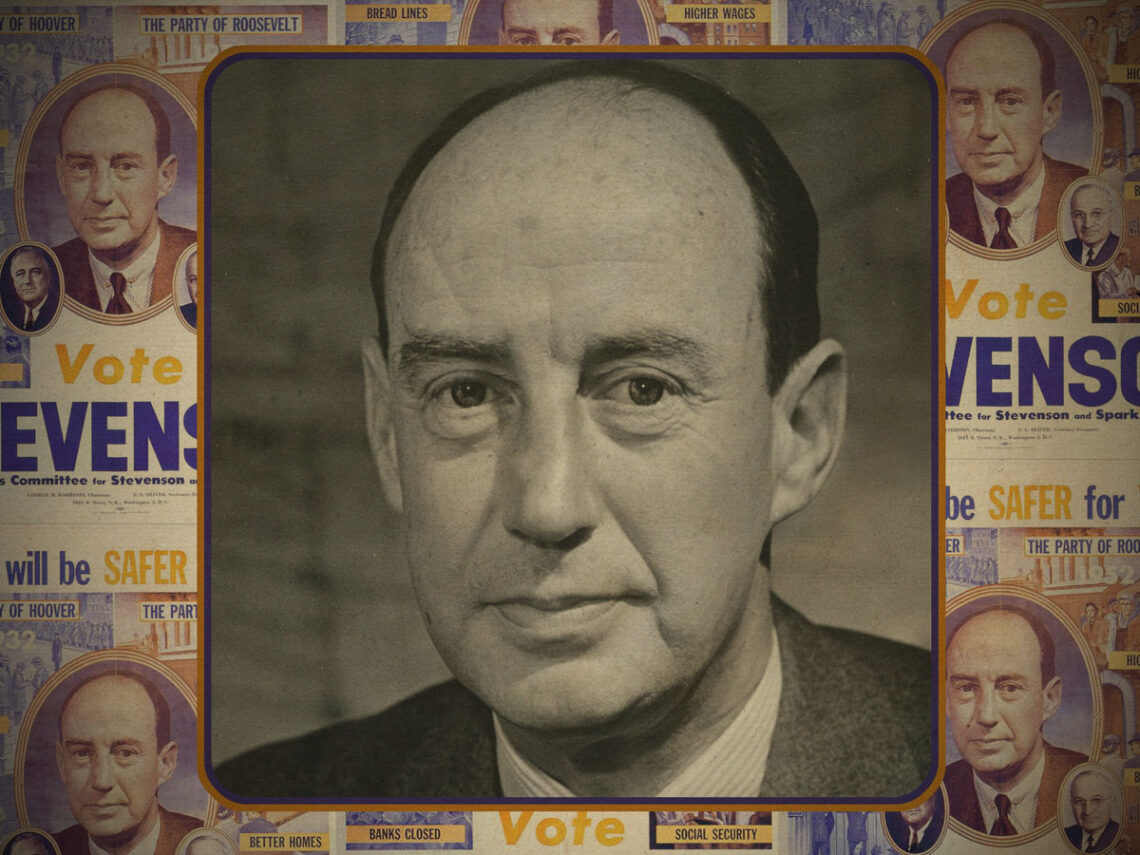
Yet on a few occasions, exactly that happens. A spontaneous, almost grassroots campaign to see the right person put behind the wheel of an entire community is put into place, seemingly at the behest of everyone except for the person lifted into this position of power. The best example of this in American politics comes from 1986, when a truly naked case of political corruption saw the Democratic candidate for governor of Illinois pull out from the election.
The candidate in question, Adlai Stevenson III, was a strong candidate who stood a good chance of dethroning the incumbent Republican candidate, Jim Thompson. However, the problem stood in the man selected to be Stevenson’s lieutenant governor, Mike Fairchild. Fairchild carpetbagged the honour of standing alongside Stevenson until one important connection he had brought out into the open.
Fairchild was a member of the LaRouche Movement, and that was a huge no-no for Stevenson.
Why did the LaRouche Movement torpedo an Illinois election?
Honestly, the LaRouche Movement deserve an article here of their own because they’re a great example of the moment a political movement descends into being an out-and-out cult.
The overview is that what began as a far-off cult of personality centred around a fringe presidential candidate called Lyndon LaRouche started getting really weird in the 1970s as they gained a small foothold in the American political system. What started as a left-wing movement started getting real fash-y and far right, and, combined with a few convictions for fraud relating to their fundraising, by the 1980s, they were persona non grata.
Except for a few people who broke through into the mainstream, like Mike Fairchild. Rumours abound of how he achieved this nomination, but by hook or (most likely) by crook, he had. Stevenson was having none of it. He immediately stepped down, and the Democratic candidate for the governor of Illinois became Mike Fairchild. That was completely unacceptable in the eyes of the Democratic voters of Illinois, and Stevenson took notice of this.
Reasoning that it would have been an abdication of his responsibilities to sit out the election, let alone handing it to the Republican candidate, Stevenson formed a new party that immediately had the support of not only the Democratic voter base, but the Illinois Democratic Party as a whole, the Illinois Solidarity Party. However, while he ran the race close, Stevenson lost to Thompson by 400,000 votes. Fairchild’s vote share of 200,000 wouldn’t have been enough to swing it, and one wonders whether that’s better or worse.
It is a timely reminder though, that governments and politicians should be nothing without a voting populous that believes in them and not the other way around.