


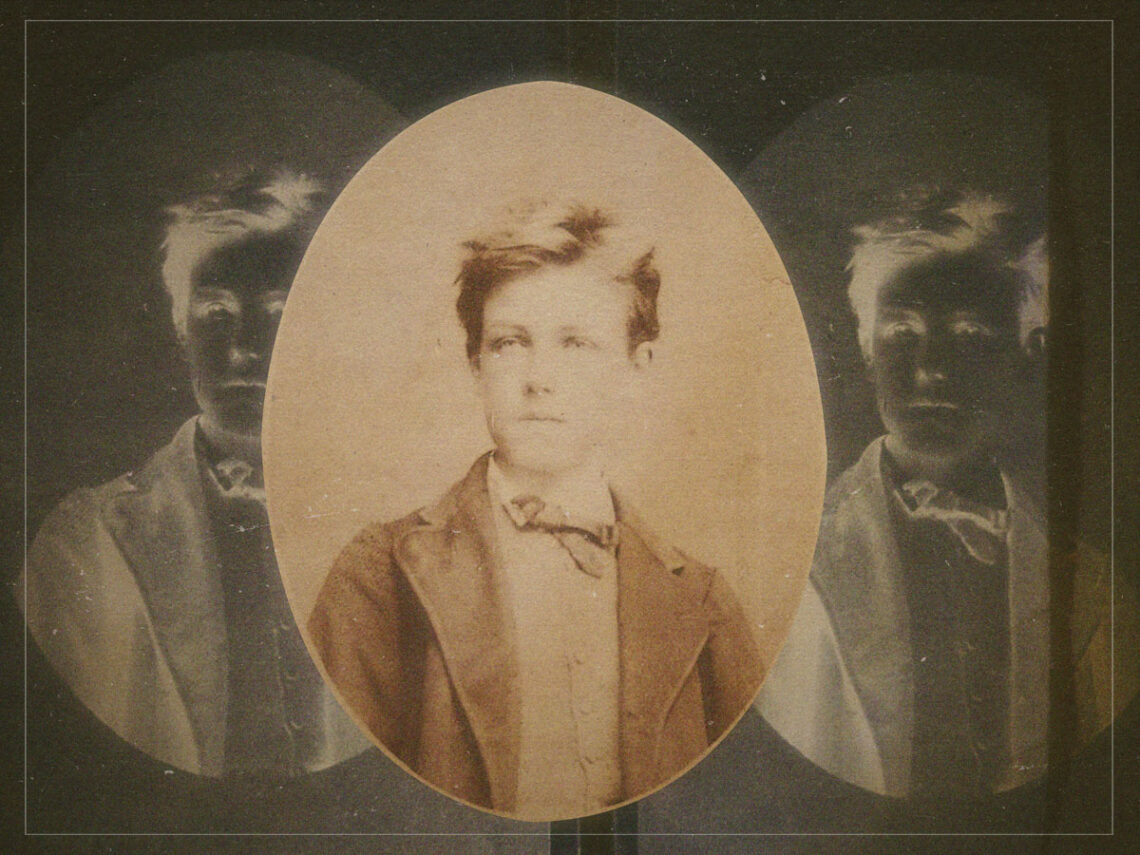
Arthur Rimbaud: The romantic poet who became an Ethiopian gun runner
When most people peak early, that’s usually due to teenage athletic prowess, or perhaps their band fluking a support slot for a band that goes on to become famous while in university. Arthur Rimbaud peaked early in a different way, which completely changed modern literature.
His life was completely insane. A prodigiously talented writer from an early age, Rimbaud looked set to be the leading light of 19th-century literature, but stopped writing completely at the age of 20. However, due to the strength of his limited work, Rimbaud became a celebrated figure before he could legally drink alcohol in the US and lived for another 17 years after he gave up writing.
These years weren’t spent in quiet solitude, either, which wasn’t something that a messy bitch like Rimbaud was capable of. Intriguingly, neither did he take after many great writers of his generation and merely drink himself into an early grave. No, after knocking his writing career on the head, he first spent two years having an affair with Paul Verlaine, so torrid it ended with Verlaine shooting him in the hand.
Then, somehow, life got even more dangerous for our Arthur. Rimbaud fancied himself an explorer, and after announcing his retirement from writing, he spent a year studying several languages, then began to travel. Firstly, around Europe, and in 1876, he joined the Dutch Colonial Army for a free passage to what we would now call Indonesia. Rimbaud’s time in the army lasted mere months, however, and he deserted to travel on his own accord for the next few years.
It was after this period of roaming that he settled in Harar, Ethiopia, for a lucrative career as a coffee merchant. After a few months of that, though, his thirst for adventure and drama became too much to handle again, and Rimbaud started dealing in something much more dangerous.
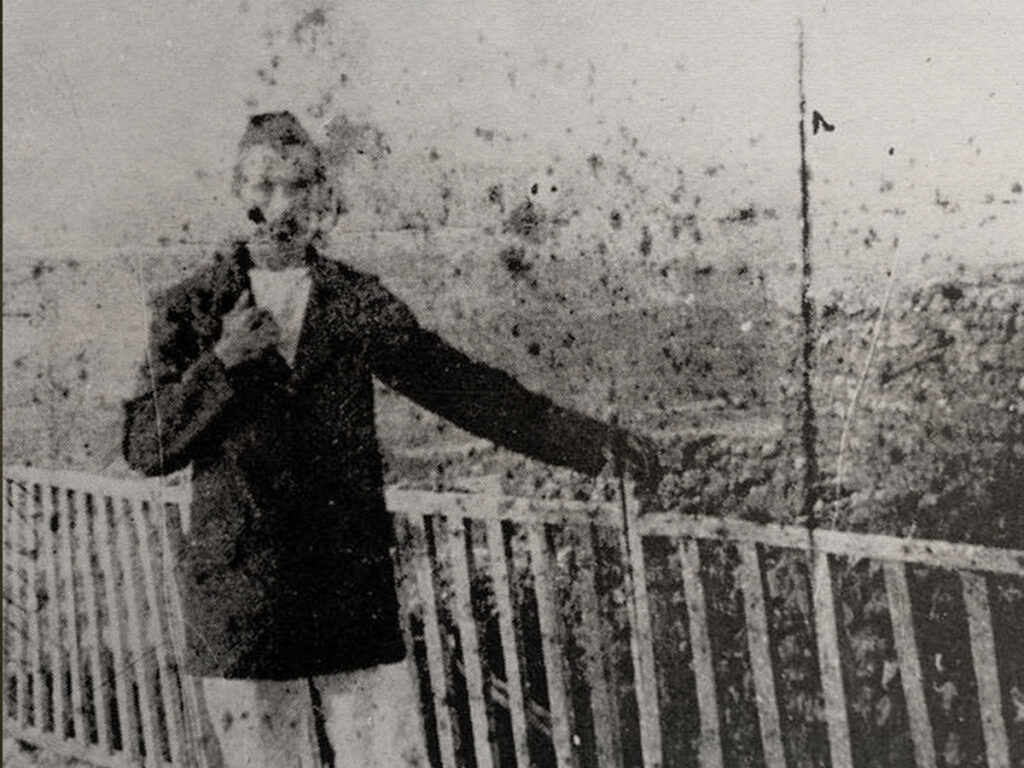
How did Rimbaud begin running guns?
As all criminal activities do, it began as a small-time side hustle. Harar was an unregulated paradise for merchants, so if Rimbaud could take some money to look the other way while a deal for some unregulated rifles could be made, he’d take it.
However, the moment you become known as “the guy we can trade illegal guns through”, you start becoming “the guy we can trade illegal guns through”, and that’s a reputation that sticks. Once you’re in, you’re in, and if you start looking to get out, you might be on the business end of those guns.
Especially when the market he was selling those guns to was Ethiopian freedom fighter cells in the midst of fighting two wars. One against the Egyptians who had eyes on their territory, and one against the Italians who were also eyeing up areas of Ethiopia for themselves. It soon became clear that Rimbaud was in way over his head dealing with figures like this. Particularly, in one deal, for 2000 rifles and 60,000 cartridges that Rimbaud had smuggled in to sell to the King of Shota, one of Ethiopia’s most powerful kingdoms.
If Rimbaud was looking for danger and excitement, he got more than he bargained for, especially when the two partners he’d found to complete the deal with were killed. Rimbaud spent 11 months waiting for word that he could begin moving the guns, then, after all that, he arrived at his destination to find associates of his dead partners, demanding their share of the profits for themselves. Rimbaud was left burnt by running guns for Ethiopian freedom fighters, yet still, he should probably count himself one of the lucky ones.
After all, he lived to tell the tale, if only for three more years.