


The Glass Delusion: Unpicking the most bizarre conspiracy theory about medieval royalty
The Middle Ages are a period of history that feels like an alternate universe compared to the modern age. After all, they were a time of rampant class disparity, where an obscenely wealthy ruling class held godlike power over a serfdom that never really questioned their place in the pecking order, despite creating the wealth of that ruling class with their labour. Different times, eh?
Snarkiness aside, the 1000s actually share far more in common with the 1500s than the 1500s do with the modern day. In fact, pretty much the only thing that unites the two time periods is class disparity. Here, we’re talking about a time period where most people didn’t even know what glass was, and when it began being introduced to European societies in the 16th and 17th centuries, most people thought it was an alchemical product, a magical creation that only witches and wizards could create.
Which sort of makes sense, in a strange way, as the mere idea of glass was alien to most people. A sign of glamour, decadence and wealth. It also acted as proof that you had the money to make something as beautiful as it was breakable.
Most people also had no idea how it was made, leading to a profoundly strange phenomenon popping up around those same centuries as people became convinced that they, too, were made of glass.
Remarkably, this is a phenomenon that was studied in people who were otherwise of sound mind. These weren’t individuals suffering from what we would know today as schizophrenia or any other similar condition. Take the mid-16th century Dutch physician Levinus Lemnius, who wrote in his diary that he’d seen a patient who was rational and highly functional in every single way he could be, save for one, simple fact.
He truly believed that his buttocks were made of glass and that if he sat down… Well, you can figure out the rest.
Why did people believe they were made of glass?
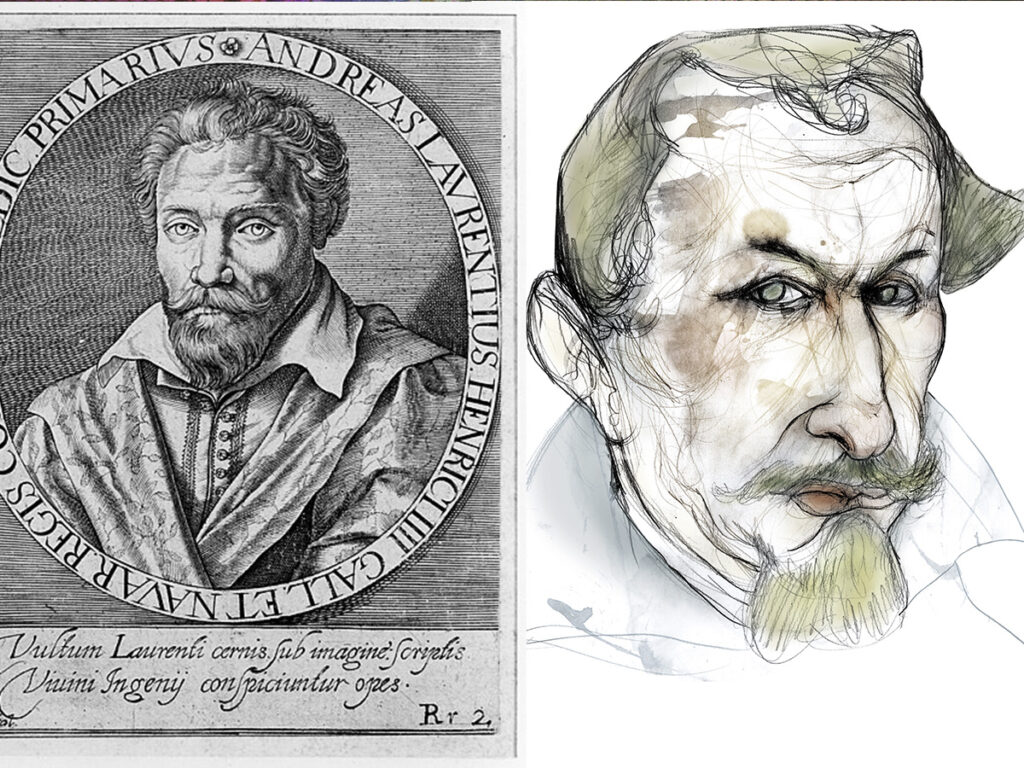
Now, if this were a one-off, that would be strange enough. However, the history of medicine is packed with stories like this; there have been a lot of people in the world with baffling mental health conditions. There are also documents from two physicians of the same period, André Du Laurens and Alfonso Ponce de Santa Cruz, who, independently of each other, saw the same patient with similar, yet even more debilitating symptoms.
This gentleman believed not only that he was made of glass, but that specifically he was a glass pitcher containing his very essence. A pitcher that was, to be clear, open at the top. If the notes are to be believed, this was a man who made his servants bury him in straw every night so he could sleep upright. Fearing that if he lay down horizontally, he would pour himself onto the floor. If this hasn’t been confirmed by multiple sources, it would be very easy to think this was a joke, but seemingly, this was true.
King Charles VI of France and Princess Alexandra of Bavaria are the most famous cases of this strange condition. John Locke wrote of observing people suffering from it in his writing, as did René Descartes. In fact, witnessing this phenomenon inspired Descartes to start thinking about everything the human mind could doubt and question about reality. After all, if these people could believe that their own bodies were glass, surely people could believe anything. So, could there even be a doubtless fact that no one could argue against?
That’s right, the glass delusion eventually led to Descartes coining the phrase, “I think, therefore I am”, which, in turn, provided the groundwork for modern philosophy.