


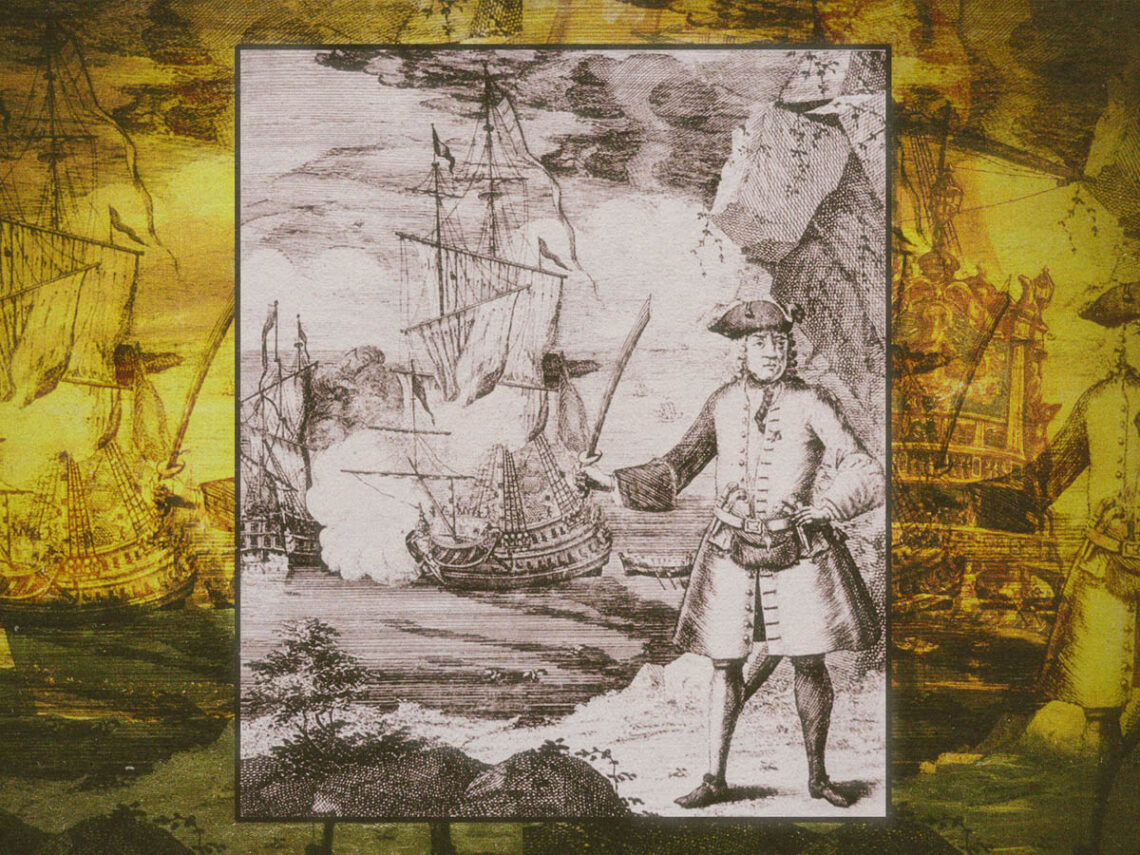
The Pirate King: How Henry Every stole £100million worth of treasure, then was never seen again
There’s an argument to be made that the pirate was the original rock star. A fantasy of taking to the seas to live freely and recklessly. To take what you want from whoever you want, make bank doing so, become a captain among equals, and generally live life by your own rules.
This is, of course, a fantasy in ways that very many people more informed than I have gone into in several different ways. The life of a pirate was often nasty, brutish and short. One where you were more likely to murder and pillage the innocent for just enough loot to get to the next job than fill treasure chests with plunder from snooty privateers or corrupt Navy officers. If you actually did tangle with anyone deserving of that kind of justice, you were often dead or captured within minutes.
Based on several reports of the time, being dead was a much, much more preferable option to anything that actually awaited you after being captured by the Royal Navy. For many, getting old and retiring from a life of piracy was as ludicrous an idea as a coal mine’s canary getting their golden handshake, yet an incredibly lucky few (and it was vanishingly few) got away with it. The most famous of which was arguably Henry Every, who well and truly earned the nickname ‘The Pirate King’ with his final job.
Astonishingly, Every had only been a fully-fledged pirate for about a year at the time. He had worked for the Royal Navy since he was a teenager before getting caught up in a mutiny and taking control of the ship Charles II in May 1694, which he renamed Fancy after becoming captain shortly afterwards. After nearly a year of looting merchant vessels off the coast of West Africa, he achieved his masterpiece in September 1695.
At the time, the Mughal Empire (the territory that we would now call India, Pakistan, Bangladesh and parts of Afghanistan) was sending a 25-strong convoy of ships on their annual pilgrimage to Mecca. These were ships loaded with treasure, made up mainly of jewels and precious metals. With the assistance of five other pirate ships, Every led an attack on them and captured the convoy’s flagship, the Ganj-i-Sawai, after a week-long pursuit.
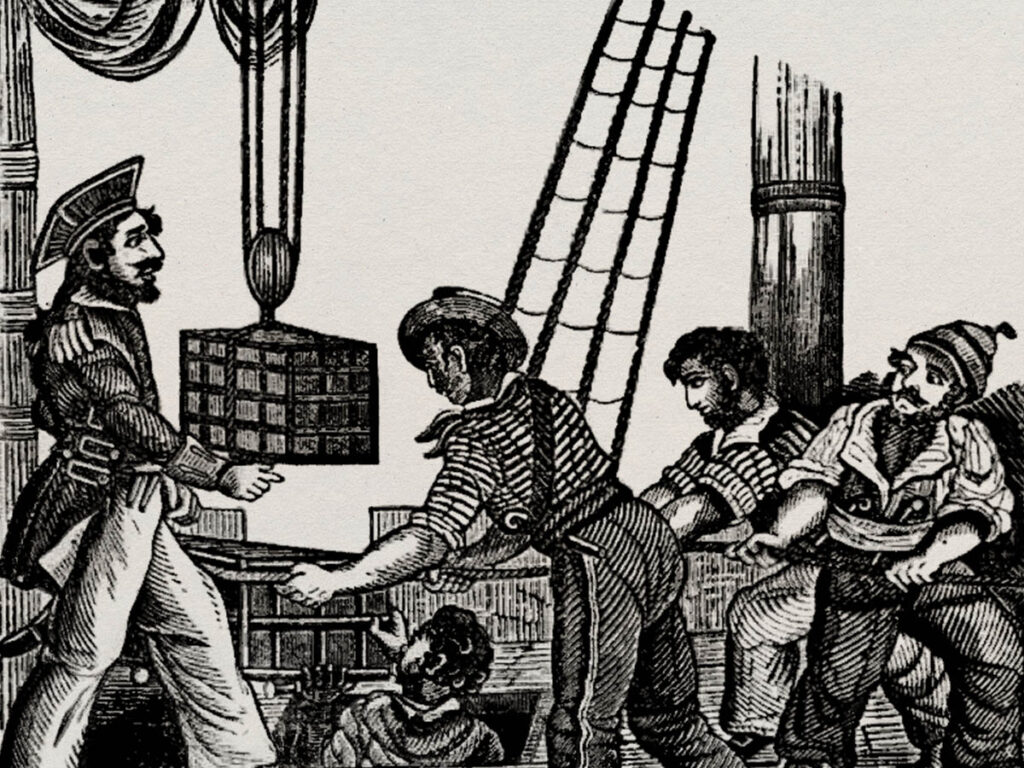
Every and his team helped themselves to the cargo on board, a haul worth well over £100million in today’s money. Despite now being one of the richest men on the planet, this should have been Every signing his own death warrant. As an Englishman, he had now caused an international incident between two powerful empires, the British Empire and the Mughal Empire, who were now demanding full repayment of their lost riches from the British. Not to mention Every’s head on a platter.
They got neither. Every managed to escape capture, and after the loot was divided between the five vessels that carried out the raid (Every and the crew of Fancy getting the lion’s share as it was, y’know, their idea), he disappeared with his share of the loot. Every was never seen again, and in true pirate fashion, everyone you asked had a different story of his fate. Some said he died of poverty in Devon after being swindled out of his riches. Some said the opposite, that he lived a life of luxury on a private island.
We’ll never truly know for sure. However, what we do know for sure is Every’s history. If you think for one second that Every was a hero who deserved all this for flying in the face of rich dickheads consider this. His reputation at sea was made as a slave-catcher. A particularly brutal one at that.
Proof, if one was ever needed, that pirates rarely deserved their romantic reputation.