


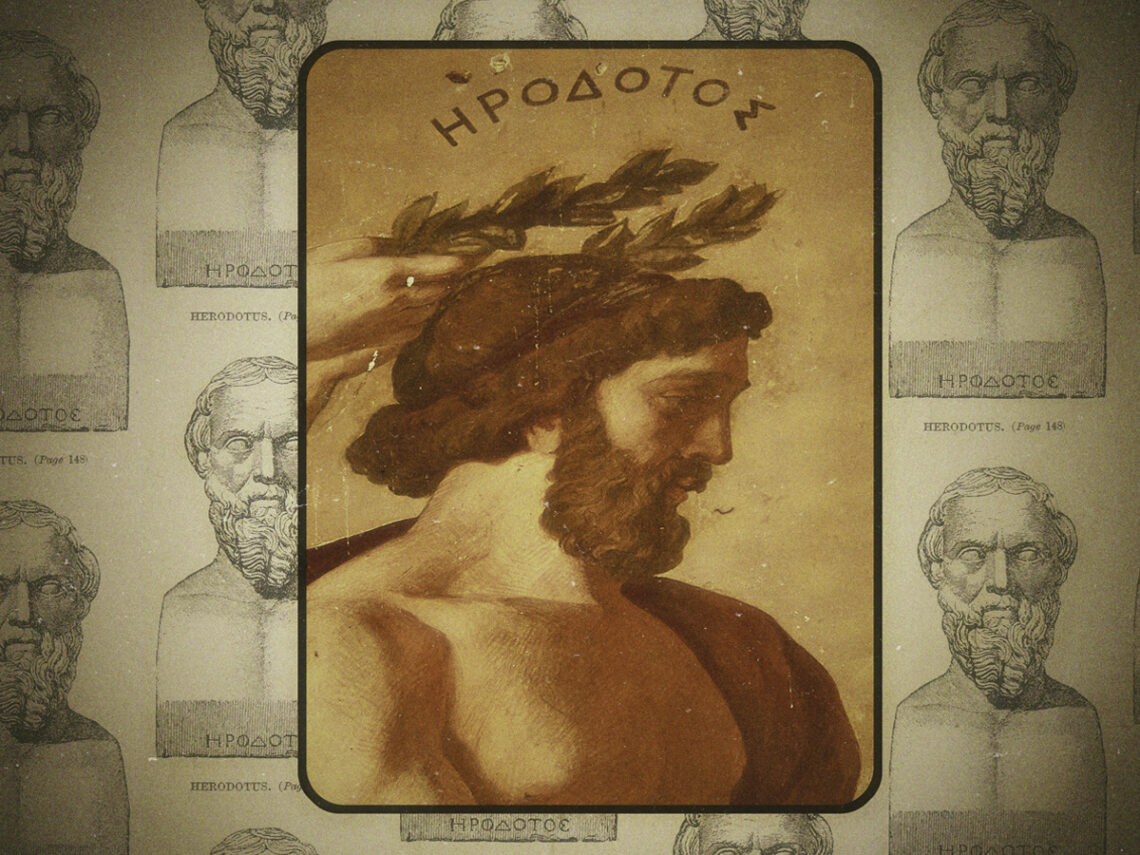
Father of Lies: The controversial story of the world’s first historian
As the work of Herodotus proves, there’s a big difference between learning what happened in the course of human existence and studying history.
The two acts might sound one and the same, but the truth is, they’re not. In reality, history is really nothing more than a story. We obviously can’t really know the specific happenings on any given day, because we weren’t there. Photographs and videos might have made things slightly easier to verify, but at the end of the day, all we have to go on is the testimony of people. More often than not, this is people who are biased and untrustworthy. Or even, people who might have the best of intentions but straight up don’t have the best memory.
Thus, the real act of studying history becomes not memorising dates and names but analysing the people telling us these stories. This has been the case since the very beginning of history as a concept, with the man credited as being the very first historian, the Greek geographer Herodotus. The title of ‘the first historian’ would be a tough one for anyone to truly earn, yet Herodotus’ claim is a solid one since he literally coined the term “history” by writing Histories.
Histories is exactly what it sounds like. Herodotus travelled the length and breadth of the Persian Empire, listening to people’s testimony of their experiences during the 5th and 6th century, a time blighted by the Greco-Persian Wars. This is a historical document that is still used to this day, and one that well and truly earned Herodotus the title of ‘The Father of History’, bestowed upon him by the Roman philosopher Cicero, no less.
However, in some corners, it earned him the title ‘The Father of Lies’.
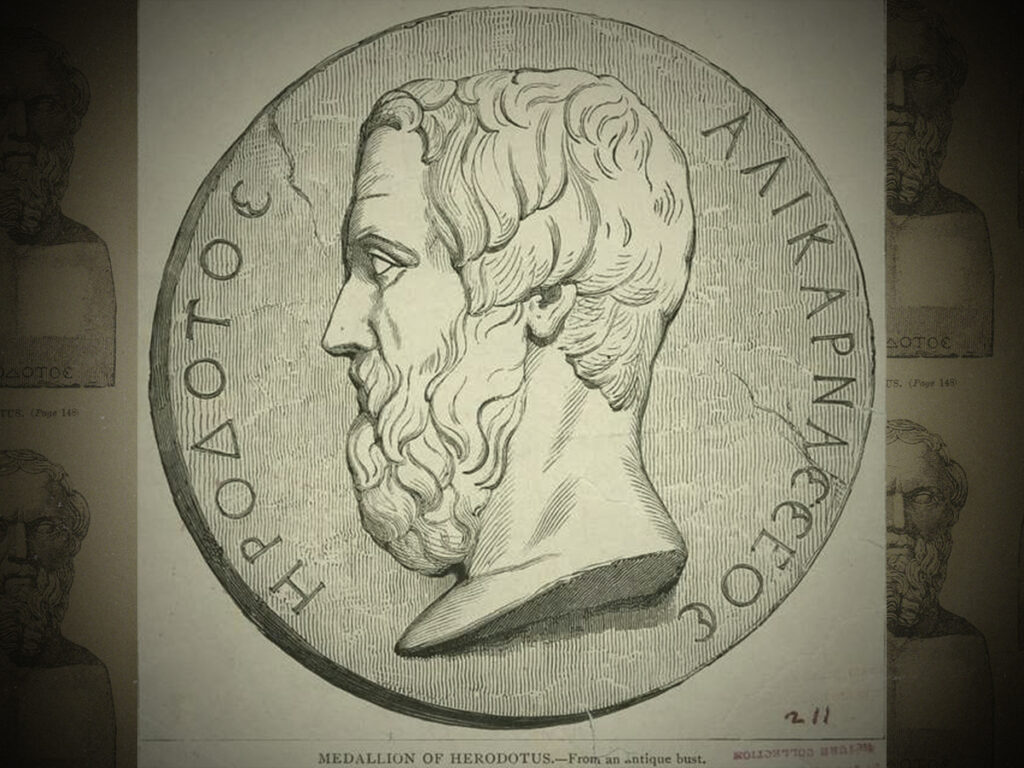
Was Herodotus reliable?
Because when it comes to any story, there’s more than just one side to it. When it comes to a continent-spanning conflict like the Greco-Persian Wars, there are countless sides to it that no one man will ever truly report. Especially when one takes into account the fact that Herodotus, despite his best efforts, was biased and unreliable. Sure, it’s a historical document we still use today, but that’s only because there are vanishingly few other options. It was the first, after all.
Herodotus’ titles explain this perfectly. To a Roman like Cicero, Herodotus’ magnum opus depicted a triumph of Greek imperialism and reason over Persian barbarism, something that an empire like Ancient Rome would have absolutely loved. However, Herodotus’ Histories also depicts many of the Greek city- states like Boeotia as traitors to the Persian cause, leading to the native Boeotian Plutarch to dub Herodotus ‘the Father of Lies’ in his essay On the Malice of Herodotus.
To Plutarch, this wasn’t the only falsehood that Herodotus was peddling in his Histories. Because after all, this was a guy essentially going door to door and writing down the stories of those who cared to talk with him. There was no way to validate what Herodotus was peddling as the truth, and thus, according to Plutarch, it should be stricken from any discussion of actual history. However, perhaps that’s Plutarch’s own bias.
Here, you see where the real meat of history lies. Not in memorising dates and names, but in detective work. Studying motives, alibis and lies before arriving at something that might just be the truth. The only undeniable fact is that we’ll never truly know.