


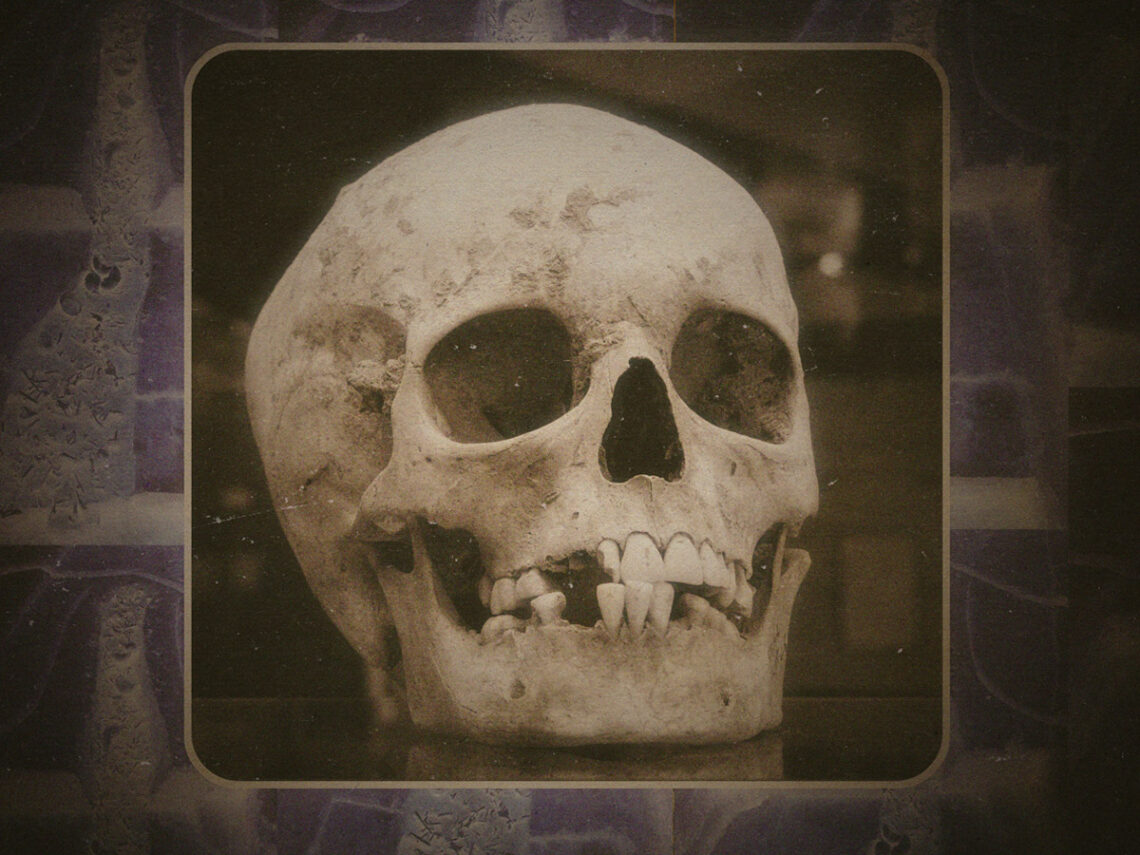
Herxheim: the most fucked-up archaeological find in history
Stumbling upon archaeological discoveries in the middle of a construction job is so common that there are several terms for it. The most common is Rescue archaeology, which is one hell of a term for the discovery we’re talking about here.
The practice is always a tough endeavour. After all, you’re working on the clock as you’ve got a fully paid-for construction job breathing down your neck, and archaeology isn’t exactly an area known for its speedy turnover. You’re handling incredibly delicate things that absolutely need to be preserved exactly the way they were where you found them, while also extricating them from their home of thousands of years, dusting them off and transporting them elsewhere. Archaeological digs normally take many months, sometimes many years. In rescue archaeology, you get weeks.
Thus, one can only imagine what was going through the minds of the archaeologists assigned to work on a rescue archaeology project in Herxheim, Germany, in 1996.
A site was unearthed by a construction project, a team was sent in to remove and preserve it as quickly as possible, but rather than pots or tiles, what the team found were human remains. Loads of ’em. The more they looked, the more they realised that this was no ordinary burial site, and the story only got more disturbing from then on.
Leaving aside all the freaky-deaky stuff, the Herxheim dig was a pretty incredible find. A large village spanning 15 acres, dug over the course of several centuries, with multiple human settlements to be found, along with examples of pottery, stone tools and rare decorative artefacts.
However, the village was surrounded by a sequence of pits dug. Now, what would a set of pits dug around an ancient village contain, you ask? Bones. So many that the conservative estimate was that the remains of at least 500 people were preserved in those pits. Other estimates put it at 1000.
Once the team had more time to look at these remains, though, that’s when things got genuinely scary.
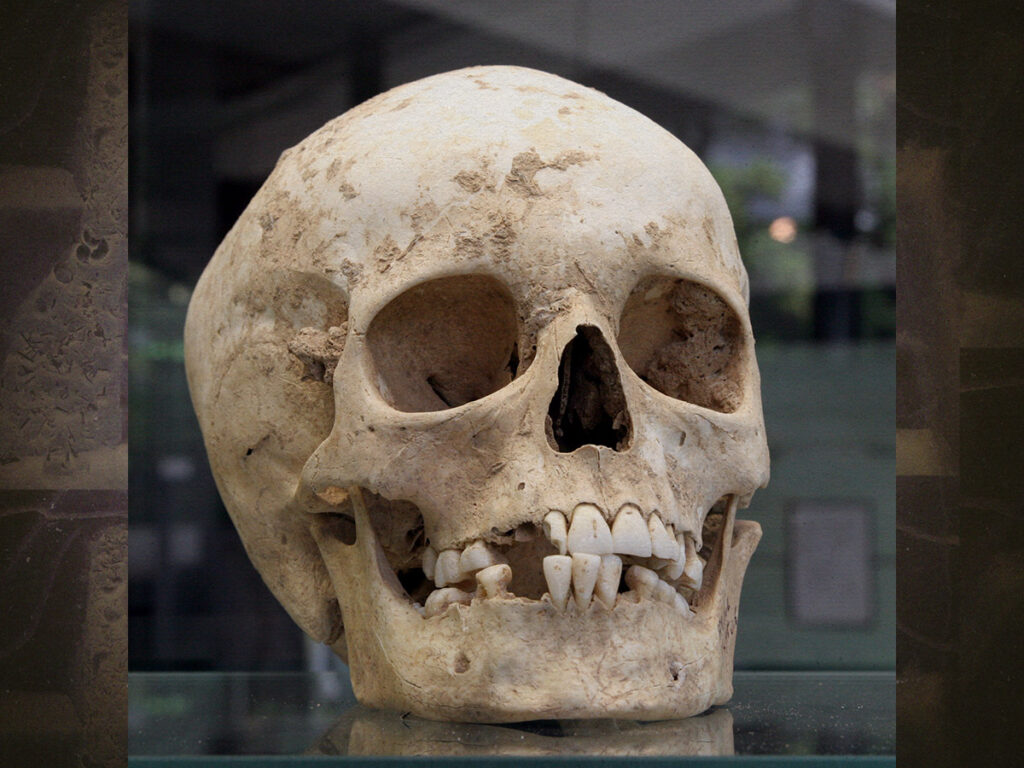
What was the terrifying truth of the Herxheim pits?
While the discovery was made in 1996, the initial tests studying the bones of those found in the Herxheim pits began a decade later in 2006.
In 2009, a follow-up test was commissioned to clarify the initial findings made three years earlier, which confirmed that many of their skeletons had marks on the bones that weren’t signs of violent struggle or wounds associated with physical labour. No, while blade marks were commonplace on these bones, so were bite marks.
That’s right. These people weren’t being cut down in war; they were being cut open for dinner. The more people looked, the more apparent it became. Human skulls had marks in similar places that animal skulls had, showing that these people were often being skinned the way a rabbit would be. The more work completed on the site, the more it became clear that these people were being put down, dismembered, spit-roasted and eaten by their own kind. The ghoulish cherry on top was the skulls, which were most often fashioned into cups to drink from, then discarded after use.
Almost as a response to this, a school of thought began percolating that this was a necropolis. The village was a proto-graveyard where villages around it would deposit their dead, and that was the reason why so many bodies were there. However, the more people looked, the more the evidence pointed towards an entire town that, thousands of years earlier, was seemingly built on the practice of ritual cannibalism.
The smoking gun is that the signs of dismemberment and consumption were found on nearly every skeleton found in the Herxheim site. Remember how many of them were found from earlier? Yeah, those signs were on basically every. Single. One.
Delicious.