


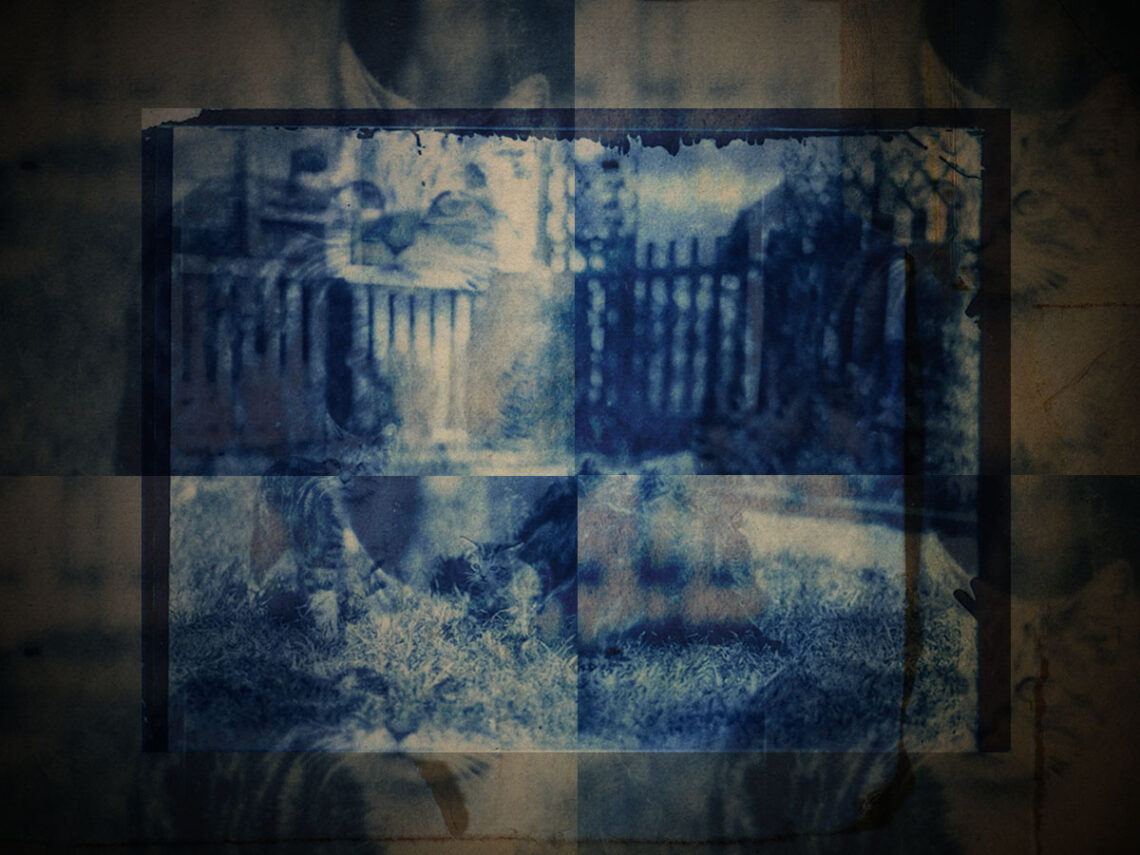
How a 120-year-old photograph shows what we truly have in common
The vast majority of the time, the links we have to the past are truly depressing stuff.
We can always see ourselves in the cruelty of history. That side of humanity never seems to change, does it? One cursory look at our shared history and our vindictive, craven and brutal side always seems to stand out over everything that makes us worth saving. Now, perhaps that’s just an unfortunate side-effect of looking at our history. The world does seem to be shaped by its worst occupants, and you have to look a whole lot closer in order to see anything good and pure.
Yet, they are there if you put the time and effort into finding said examples. I’m not even simply talking about hitting the books hard enough to find the unabashed “good things” of history like the Stonewall riots, the emancipation proclamation and Benito Mussolini being strung up in Piazzale Loreto. I’m talking about something more existential. That deep down, there is good in the vast, vast majority of people that have set foot on this planet, and we have more in common than we think.
This is especially proved by the small things. We might think that there’s no way that anyone from 75 years ago can truly relate to us now, and to an extent, that’s true. Start talking to anyone there about social media algorithms, hyperpop and… y’know, the fact that we have the grand sum total of human knowledge in our pockets, and you might start alienating folks. I mean, some of that stuff might alienate people from the 1990s, let alone the 1920s, but that’s what I mean about putting in the time and effort to find the good stuff.
You’ve got to want to connect with people because it is all there.
Who discovered this photo?
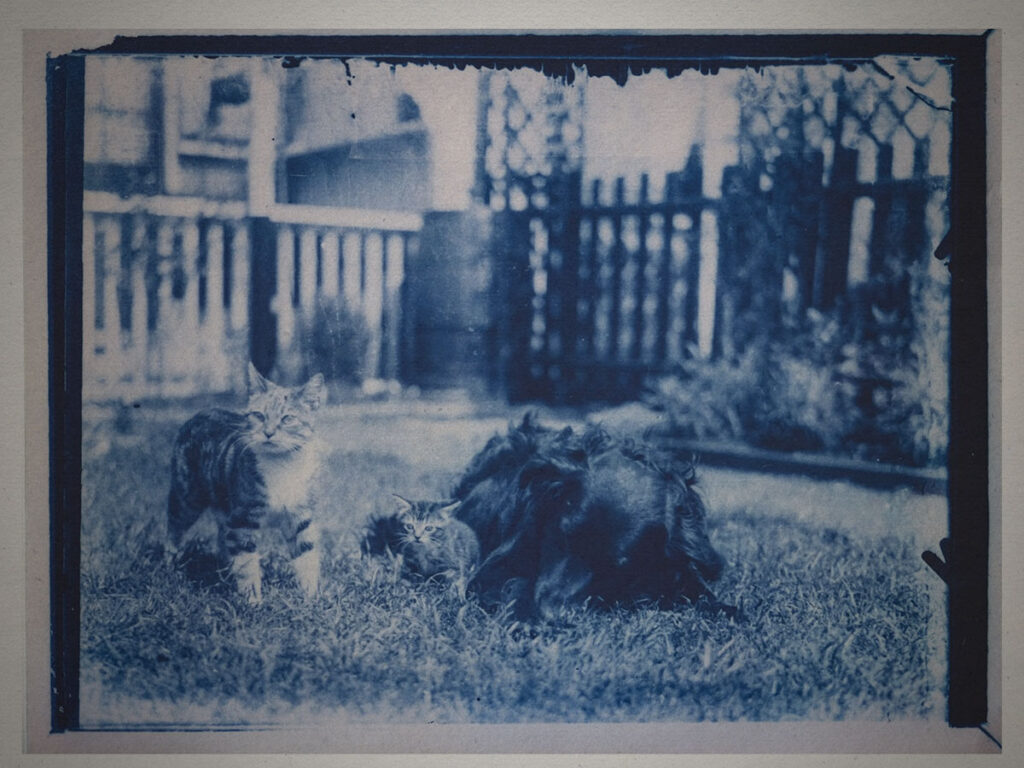
In 2020, Mathieu Stern found a time capsule in his home. Belonging to a little girl who’d lived in that house at the turn of the 20th century, the capsule contained some seashells, a faded paper doll and two pieces of dark glass. For most, that would be the end of it, but by some miracle of luck, Stern is a photographer who knew exactly what the two pieces of dark glass were. They were old-fashioned photo negatives, and if he could just work out how to develop them, he would be connecting with someone from a literal century ago.
As if the fact that Stern was a photographer wasn’t lucky enough, he was an experimental photographer so familiar with working with old-fashioned equipment that he’d earned the nickname ‘Weird Lens Guru’. If anyone was best equipped to discover what was on these negatives, it was he. So, he got to work and documented the whole process in a surprisingly powerful video on his YouTube channel. Using the Cyanotype formula, a frame dating back to the 1900s, a UV light and finally a water solution paired with Hydrogen Peroxide, those negatives were finally brought to life.
What was on those photos? This girl’s cat. Truly, for as long as we’ve had machines that capture images, we’ve been using them to depict our most faithful friends. It might sound silly, but there’s something powerful about that. The knowledge that wherever that girl may be, her beloved cat, which she so wanted to preserve the memory of, finally got their day in the sun.