


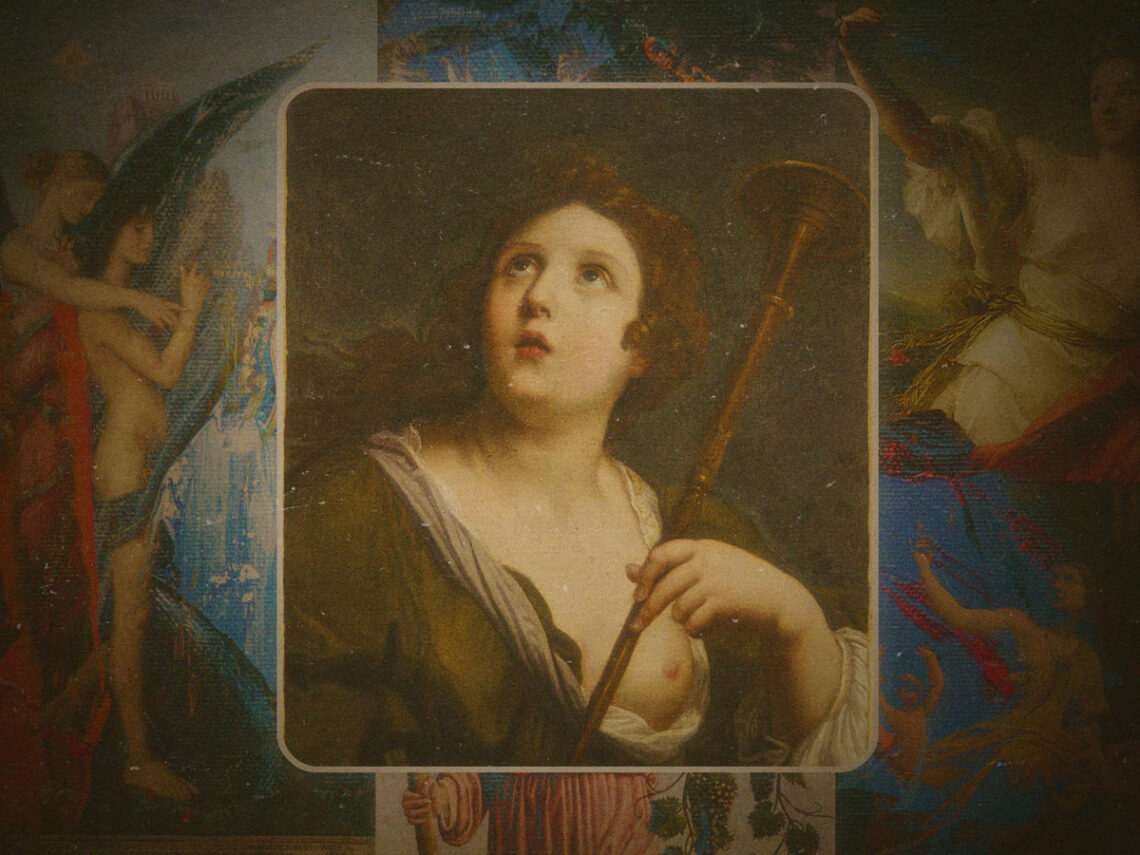
The art of inspirational: Unpicking the ancient history of the ‘muse’
The standard vision people have of an artist, especially in history, is of a dude sitting around and waiting for the mythical inspiration to hit. Then, the moment eventually arrives, a work of genius pours forth, and then you sit back down, waiting for inspiration to hit once more.
While there have been the occasional works of art that come out of the artist supposedly fully-formed, those are vanishingly few and far between. Most of the time, the work of an artist is hard labour. Inspiration tends not to be a vision that the artist then just blindly follows, but a murky, possibly imagined vision of what the work of art could possibly be.
However, this is only the case once you put in the work, hacking away at your medium of choice until you’ve got something that could sort of pass for the original idea.
Except in some cases, especially in visual art mediums like painting and sculpture, the inspiration isn’t such a vague concept. No, instead the inspiration is people they know, normally women, who have such an effect on them that they must express it. Or by sleeping with them. Possibly both.
These people are known as muses, and there’s an argument to be made that they’re just as responsible for these great works of art as the artists themselves. After all, the work doesn’t come without inspiration, and they are the inspiration.
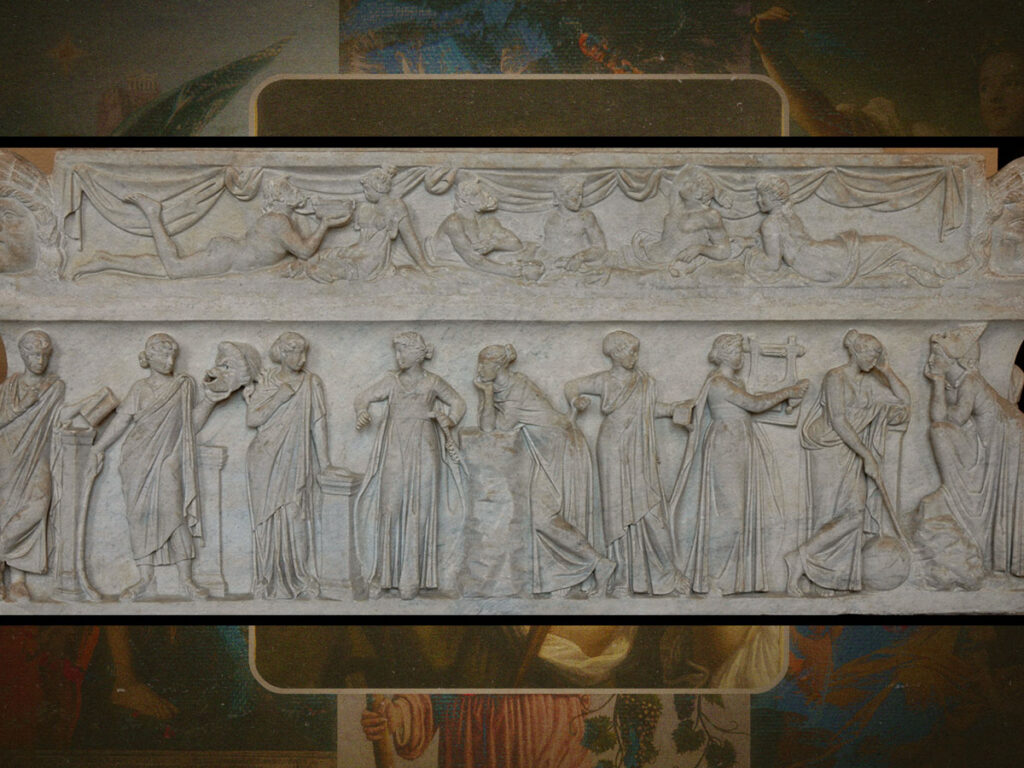
It’s not for nothing that these people are named after literal Gods. The name comes from the nine Muses of Greek mythology. If you made a great discovery in science, wrote an amazing lyric or directed an amazing play, chances are there was one of nine names you needed to thank for it.
Those names were Calliope, Clio, Polyhymnia, Euterpe, Terpsichore, Erato, Melpomene, Thalia, and Urania.
How did muse come to mean something different?
Each of those Muses stood for a different form of art taking in everything from epic poetry and dance to history and astronomy. As with everything about Greek Mythology, the specifics tend to change depending on the source. Some have the number at three, and claim they’re the daughters of Zeus and Mnemosyne, the embodiment of memory. Others say they were recruited from Osiris while passing through ancient Aethiopia. However, their purpose remains more or less the same, though.
Their influence goes far beyond that though. In fact, in Ancient Greece, many temples were set up to worship the Muses and garner their favour for a creative project. This kind of temple was called a mouseion and the Latinisation of that word became ‘museum’. Which makes sense, what else are museums other than places to go to witness great works of art and science, which hopefully stoke your pursuits in those fields further.
However, no muse in the Ancient Greek pantheon represented the visual arts because, quite simply, painting and sculpture weren’t seen as forms of high art compared to theatre and literature. Thus, the word muse didn’t become used for an artist’s model until the Renaissance, when painting and sculpture took their place as the highest forms of art. These artists often looked to the same people for their inspiration, who in turn became celebrities of the age.
As they had inspired great works of art, they began being referred to as those artists’ Muses.