


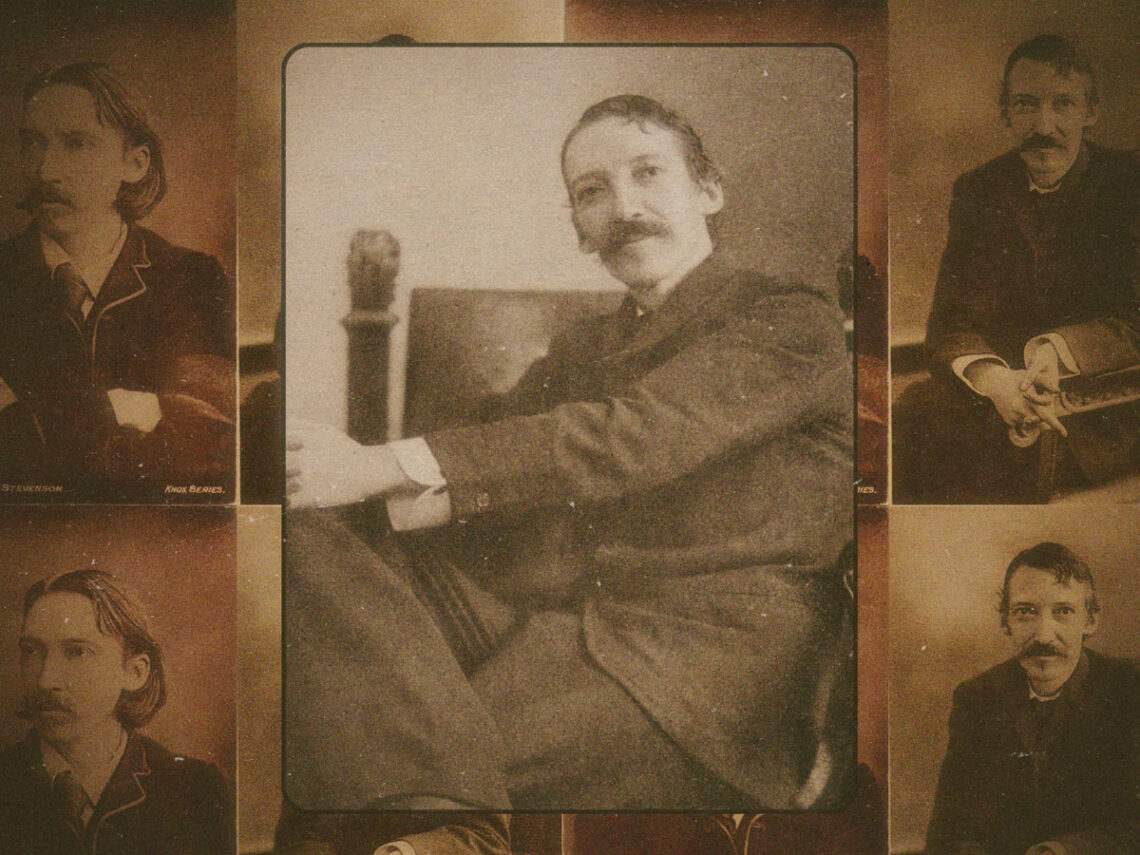
Robert Louis Stevenson: Was the acclaimed author really a drug addict?
It’s strange that we feel that the creators of children’s media need to be squeaky-clean bastions of propriety all the time, isn’t it?
I mean, on the one hand, I can see it. A lot of the time, these people become icons to kids all over the world. Role models, even. For the most popular of these people, they would be letting down a lot of kids (not to mention their parents) if they were anything other than unambiguously good and moral.
There’s a good reason that when he was playing the fourth incarnation of The Doctor in Doctor Who, Tom Baker would only ever drink orange juice when he went to the pub. He was wary of a young Whovian watching their hero sink a pint of lager and thinking it would be ok to do the same.
However, these people are all humans, aren’t they? They all deserve to be treated as such, and this pressure to always be presentable to children is a poisoned chalice. We can’t always do things appropriate for children, and it’s important that we don’t, so when these people inevitably do, it must be kept under wraps. Leading to this double life that, if it’s ever exposed, means that these people are made pariahs for no other reason than trying to be what people wanted them to be.
One might assume that this is a modern phenomenon. After all, the intense scrutiny we put our heroes under, especially for their personal lives, has been a bastion of our culture for decades now. The truth is, though, this goes back centuries and was arguably even more of a hot-button issue in the Victorian era, the first time in British history where the concept of “the celebrity” really came to fruition. Few people sum up this dichotomy better than the novelist Robert Louis Stevenson, who became one of the first literary celebrities ever.
What’s more, he did so with a children’s book.
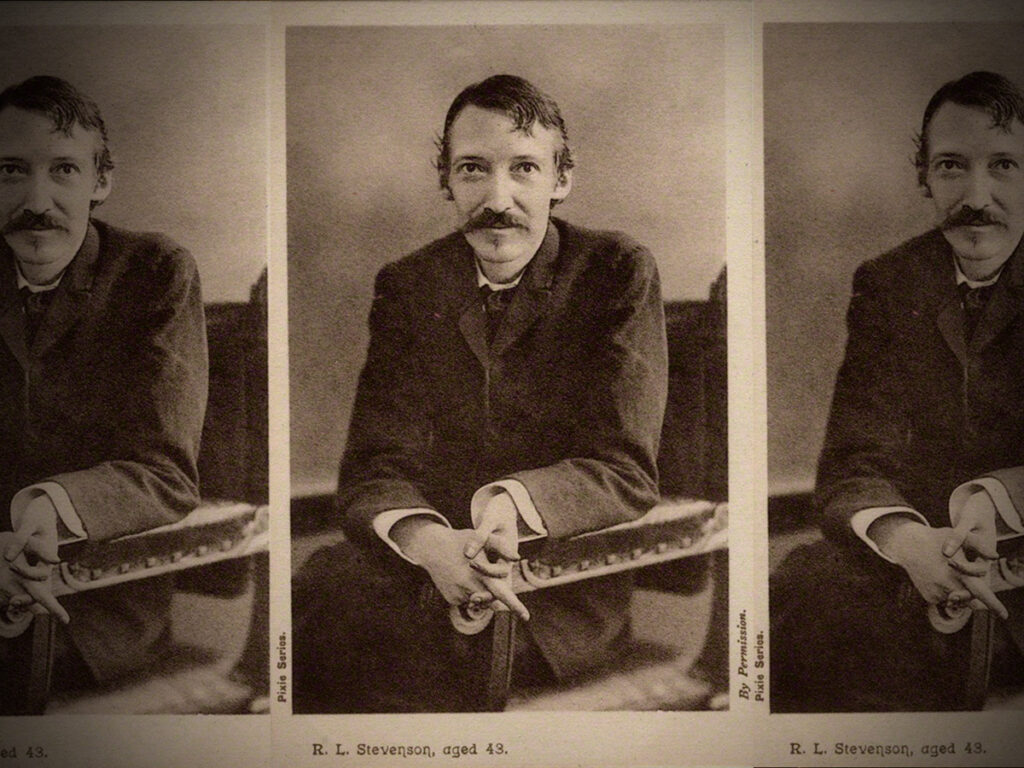
How did Robert Louis Stevenson nearly ruin his reputation?
In the pantheon of great debut novels, Stevenson deserves a spot there with Treasure Island.
Sure, the story of Jim Hawkins, Long John Silver and the treasure of Captain Flint may have passed into modern myth, but the novel still absolutely rips. A rollicking adventure packed with memorable characters, death-defying deeds and monstrous villains, Treasure Island was a smash hit, especially among young readers. This made people very upset when his second effort wasn’t the same kind of boys-own adventure.
In fact, quite the opposite. Stevenson followed up Treasure Island and fellow action romance Prince Otto with Strange Case of Doctor Jekyll and Mister Hyde. Which at the time was a little like if Phil Lord and Christopher Miller followed up Spider-Man: Into The Spider-Verse with Hereditary. An intensely creepy, profoundly bleak horror novella that people were absolutely scandalised by, especially because Stevenson’s popularity among young readers meant that a number of readers who picked up the book were absolutely too young to read it.
The book’s savage nature has even led to long-standing rumours about how Stevenson wrote it. What we know is that Stevenson wrote a first draft for the novel in three days while suffering from a horrific fever. Then, the story goes, he destroyed the novel by chucking the manuscript into the fire after his wife read it and suggested it could be an allegory. Stevenson hadn’t written it as such and thought, rather than try to shape it into something it wasn’t, he’d start again from scratch.
It allegedly took him a further six days to complete the novella in its new state. Upon its release, the nation was scandalised, and that period of frantic creativity has since been scrutinised for all its worth. There are long-standing rumours that, rather than a fever, Stevenson actually wrote the novella in a cocaine binge. A theory supported by the fact that the substance that changes Jekyll into Hyde begins life as a “white powder”.
The truth is, we don’t know. The cocaine rumour might even have been part of the public backlash Stevenson faced for writing such a graphic horror story when he was ostensibly a writer of children’s fiction. Fortunately, Stevenson managed to right the ship with another rollicking adventure novel called Kidnapped. He continued to be heralded as an acclaimed kids’ book author in his time, but as the years passed, it became clear that Jekyll and Hyde was to be his most influential work.