


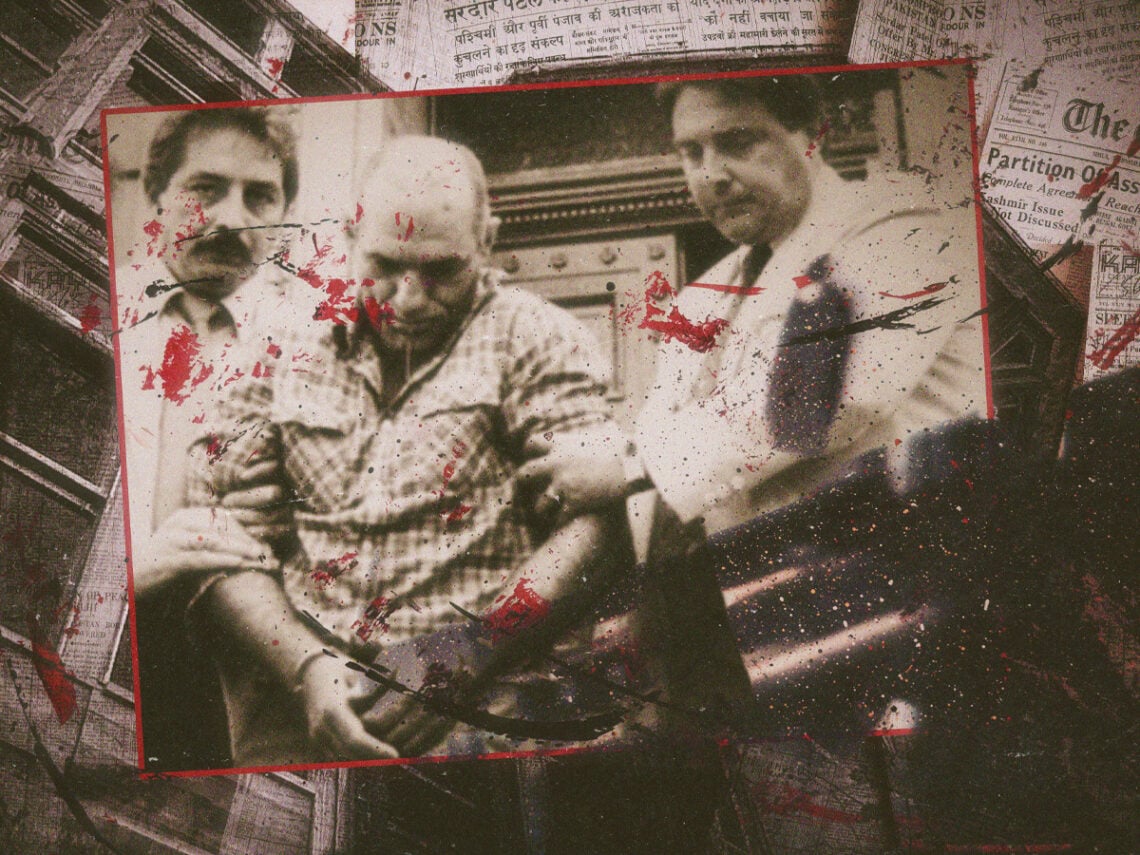
Cropsey: The terrifying urban legend became all too real in 1988
It’s a chilling fact of life that urban legends are almost always based on real-life horror stories. The vast majority of the time, in the worst possible way.
The best example of this doesn’t come from European villages of centuries past, where the very concept of the urban legend sprang from. After all, why would it? Getting reports from then that are reliable is a pretty difficult prospect, just ask any historian in your life. The real-life story never cuts it, so these tales are spun as a way of making them memorable. No, instead, the best example comes from New York City, specifically Staten Island.
Which still counts as New York City, no matter what anyone tells you.
For decades, the name ‘Cropsey’ spread around Staten Island like a virus, causing nightmares wherever it went. Cropsey, so the legend went, was a boogeyman-type figure who lurked among the abandoned buildings of the borough, who stole children through the 1970s and 1980s, all of whom were never seen again. Textbook urban legend stuff, right? I mean, no one could get the story straight of whether he had a hook for hands, or whether he could walk through walls, or whether it was their cousin’s friend or their friend’s cousin who was kidnapped.
It was clearly a way of getting through to kids to not explore abandoned buildings, because if you just tell them not to, they obviously will. For decades, that’s all it was. From time to time, reports would go out about a child who went missing, but this is New York City; that shit just happens. All the more reason to listen to urban legends and be taught the right thing to do one way or another. Then, the worst thing possible happened.
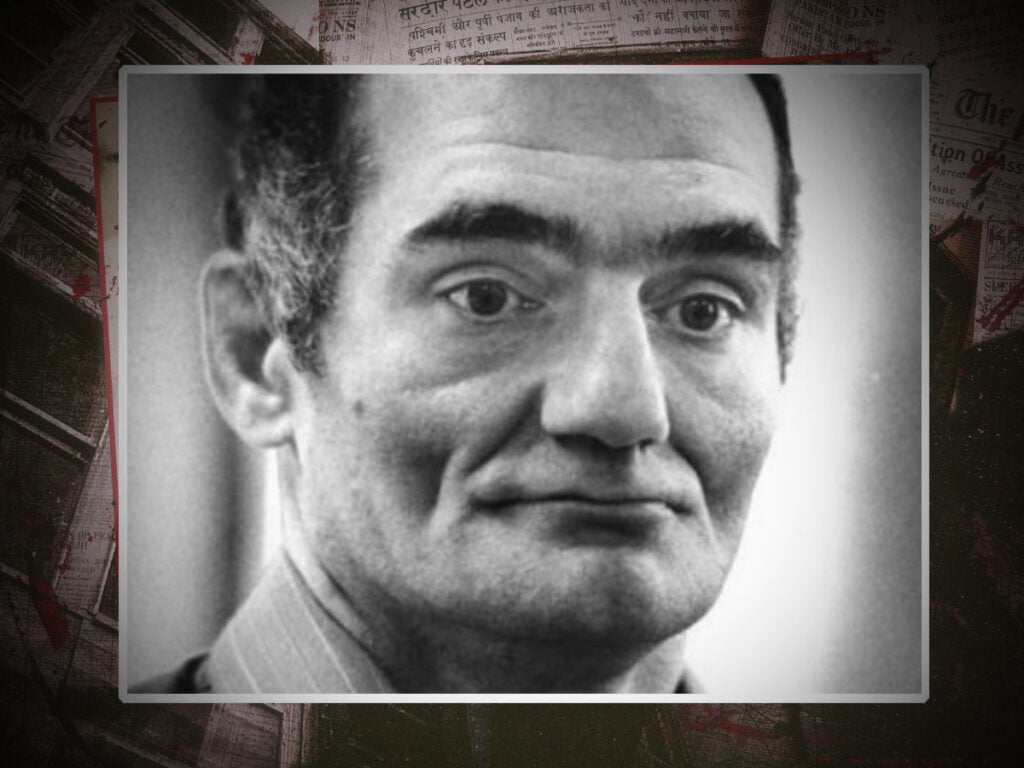
In 1988, Andre Rand was arrested for the murder of 12-year-old Jennifer Schweiger. Rand was unhoused and living in makeshift campsites around Staten Island, mainly surrounding the Willowbrook State School, an institution for children with intellectual disabilities. He was the last person Schweiger had been seen with, and the girl’s remains were found near the last makeshift campsite that Rand had stayed at. This, combined with his history of abuse and assault on minors, was enough for his arrest to be authorised.
While under investigation, it turned out that no fewer than seven other murders and disappearances could be traced back to Rand, the majority of which were people who worked in, or were patients, at Willowbrook. Notably, Rand had spent a year working as an orderly from 1968 to 1969 at the premises. Rand had never stopped his obsession with the place and continued stalking the site, looking for victims. The kind who were already some of the most vulnerable members of society.
As the investigation went on, it became clear that Rand’s behaviour of abducting children in and around the Staten Island area was the inspiration for the Cropsey story. After all, how else would the story spread? Willowbrook State School was already a charnel house with barely any oversight on it from outside the institution’s ownership. I mean, they hired Rand for a start, this place wasn’t exactly keen on taking care of its patients.
If those patients, or even their workers, started going missing? There would be no one to report them to the police. Even if they were, they were so neglected that the patient running away would have been a reasonable conclusion to come to in the absence of a body. So these wouldn’t have been stories published in the newspaper or broadcast on local news.
That doesn’t stop people from talking, though. The Cropsey story was the most that could be done for decades, and while a few lives might have been saved by it, it’s a damning indictment of the time.