


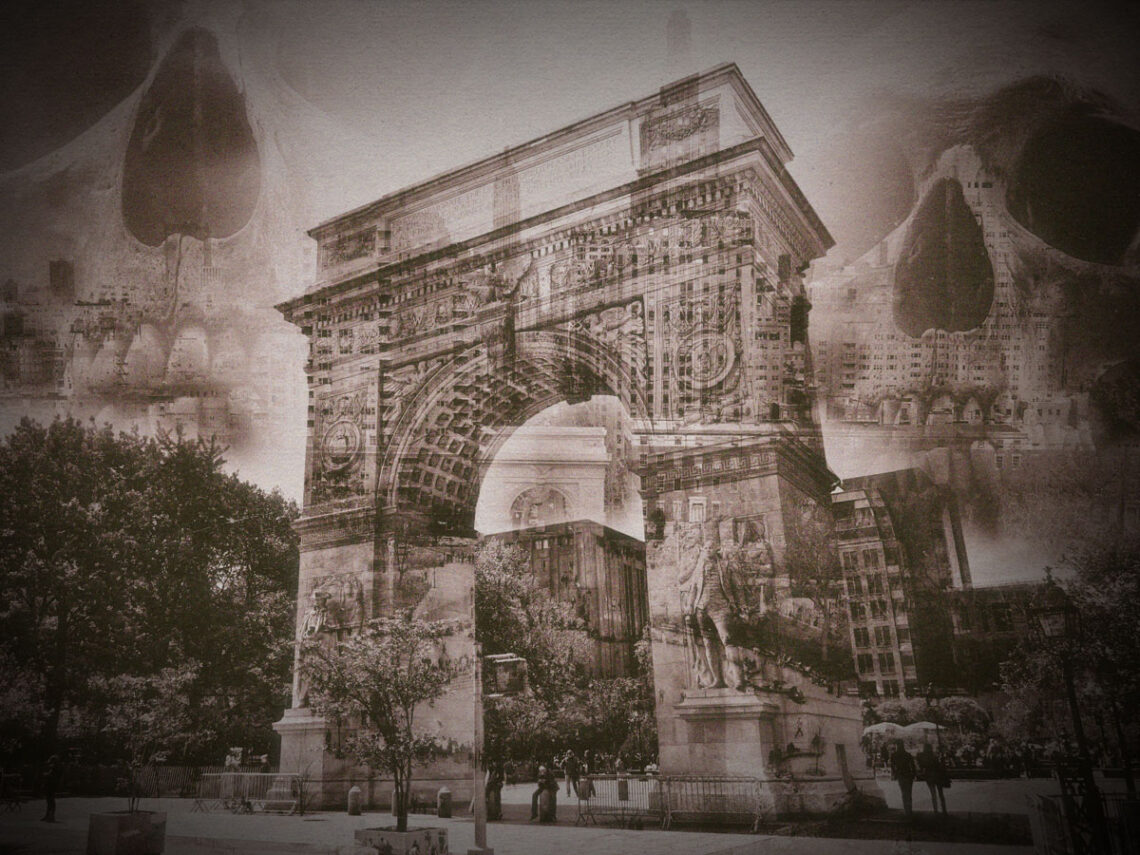
The 20,000 bodies buried under Washington Square Park
When Harry Met Sally, Enchanted, and Broad City are just a few of the countless pieces of film and TV that have chosen New York’s Washington Square Park as a filming location.
Picturesque does an injustice to it, especially its crown jewel, the incredible Washington Square Arch. A landmark so familiar to millions that you might think you’d be ready for it the first time you see it, but nothing quite can.
It’s no coincidence that so many movies have set romantic scenes at Washington Square Park, which has an undeniable charm to it, especially when contrasted with the concrete, metal and glass of Manhattan.
It’s also a place where, just like New York City as a whole, you can feel the history of the area in a way that makes it very different from anywhere else on the planet. The other side of that, however, is the history you can feel is rarely as charming and picturesque as the surroundings would suggest. Scratch at the surface of anywhere in New York City and you’ll find something shocking.
Nowhere epitomises this dark underbelly better than Washington Square Park, where, if you scratch the surface, you’ll find the remains of 20,000 bodies.
The park was initially opened as a parade ground in 1827, long before there were buildings to tear down or even the equipment available to tear them down with. Wide open spaces like that in urban areas don’t just occur naturally, and it wasn’t even that it was a woodland area that needed a number of trees cut down. Why hadn’t anyone already built on the area that would become Washington Square Park? Because it was a potter’s field.
A phrase which we would now call a mass grave.
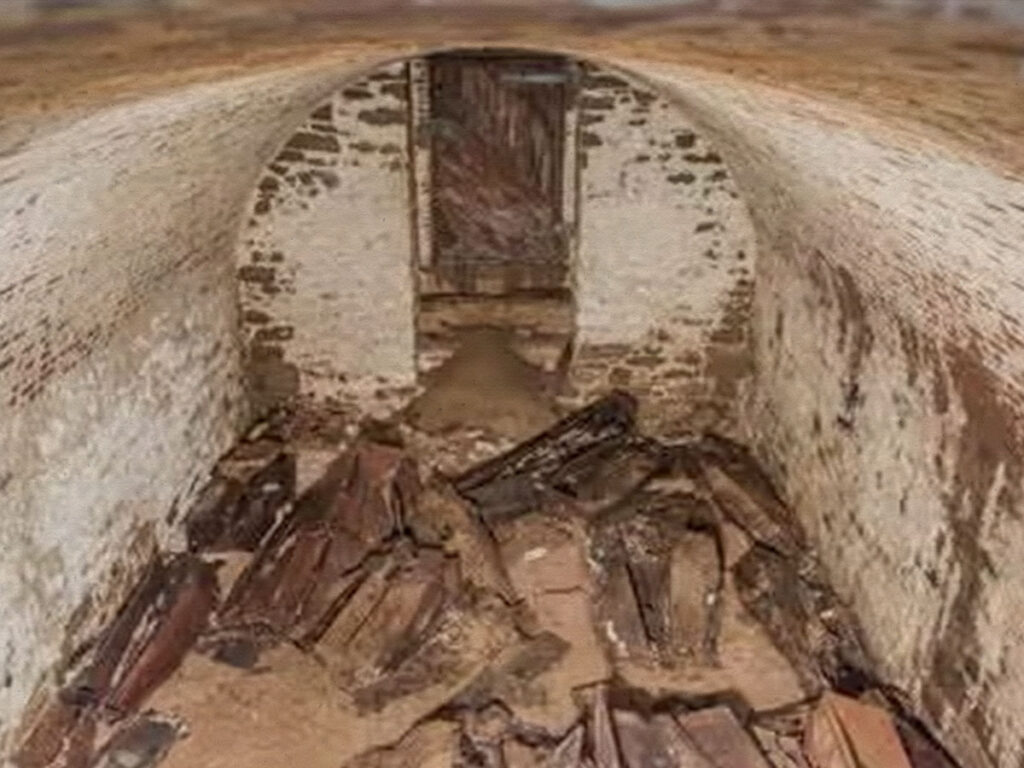
Why was Washington Square Park a mass grave?
In 1797, it was nothing more than farmland. This was until it was purchased by the Common Council of New York. Right from the off, the intention was for this to be a mass grave for paupers and common folk who couldn’t afford a proper burial, but there was something more pressing on the mind of the common council. Two years earlier, a yellow fever outbreak had swept through Philadelphia, killing ten per cent of its population, and now it was knocking on the door of New York City.
Yellow fever is a fucking horrible way to die, and at the time, thousands of people were experiencing it first-hand. The lax hygiene standards of the time, combined with the humidity of American summers, meant that it spread like wildfire across the country during the late 18th century, and after two years of it affecting New Yorkers, the time had come for the Common Council to do something with the bodies. The issue was that the area they’d purchased could comfortably hold about 5000 bodies. Many, many more of them would die of yellow fever in the coming years.
In fact, no less than four major outbreaks of yellow fever occurred in the coming decade, meaning that emergency excavations had to be done in the area, quadrupling its capacity and leading to the 20,000 bodies that called the park home for centuries.
Work has been done excavating said remains over the past century, leading to the discovery of a few gravestones among the bones. This showed just how terrified people were of yellow fever at the time. Even affluent people who could pay for a proper burial were ending up in the potter’s field like everyone else.
Think about that the next time you see Washington Square Park, and remember that the history of the place hasn’t always been so picturesque.